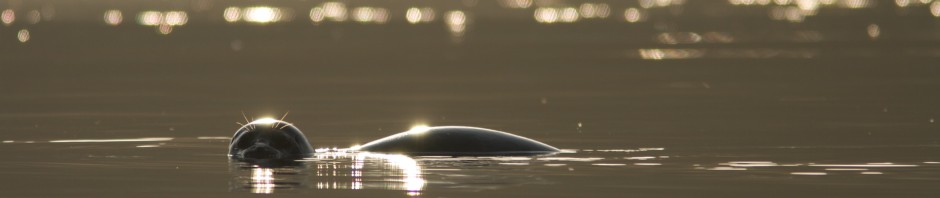
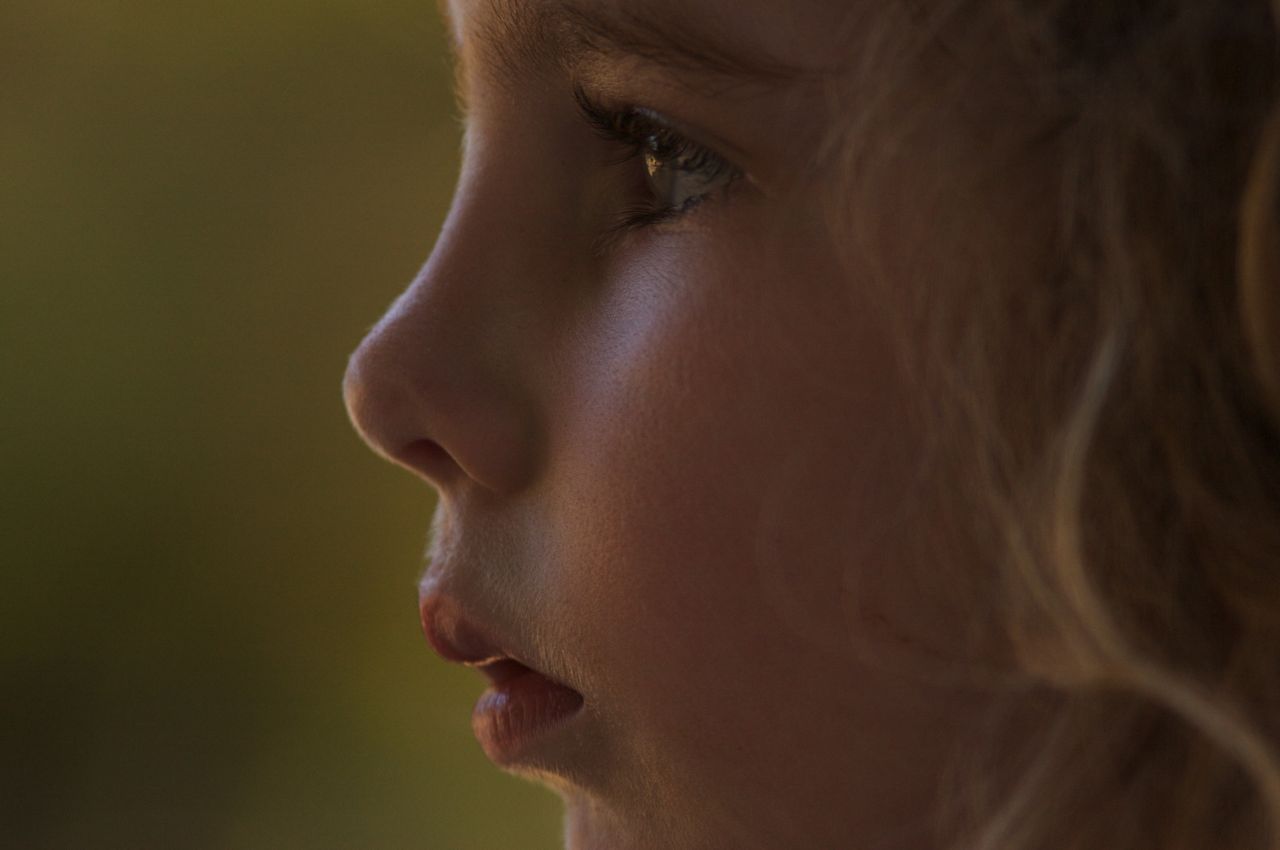
300 mm lens with 1.4x converter
When people think about “portrait” photography, it seems they instantly think of fast 50mm and 85mm lenses, perhaps going up or down a hair in focal length. No thanks, I’ve been there, done that, and don’t feel the need to take pictures like everyone else’s, using the same equipment and getting similar results.
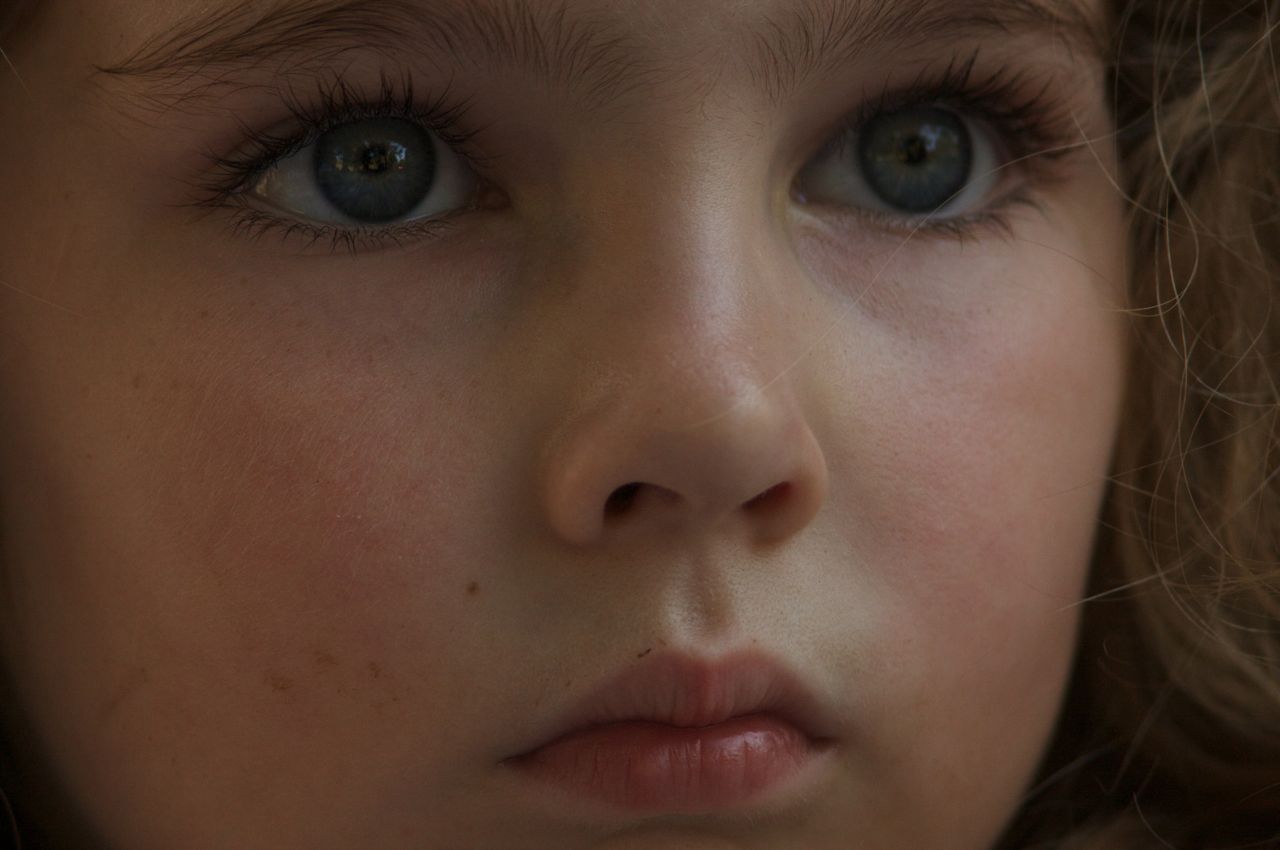
300mm lens with 1.4x converter
I suppose I am influenced by the fact that I began to get serious about photography as a wildlife and nature photographer. My initial equipment was long lenses and a wide angle zoom. With the long lenses, I wouldn’t just take pictures of wild animals, I would make portraits of them, where it almost seemed as though they were posing for the camera. I realized that this style would also work very well for candid portraits of children at play.
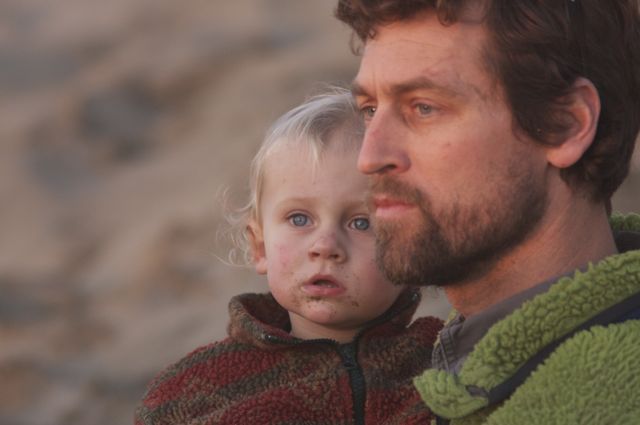
I was able to capture an unguarded moment between this father and son, using a 420mm lens equivalent
With friends that were always happy to have professional quality pictures of their children, I was able to play around and discover many of the advantages of using a long lens. From photographing children, I began taking pictures of adults as well, often being surprised at how much I enjoyed the results. I have my shorter lenses now, but I find them mostly coming out when photographing large groups or indoors, when I can’t get enough distance.
Benefits of the Long Lens
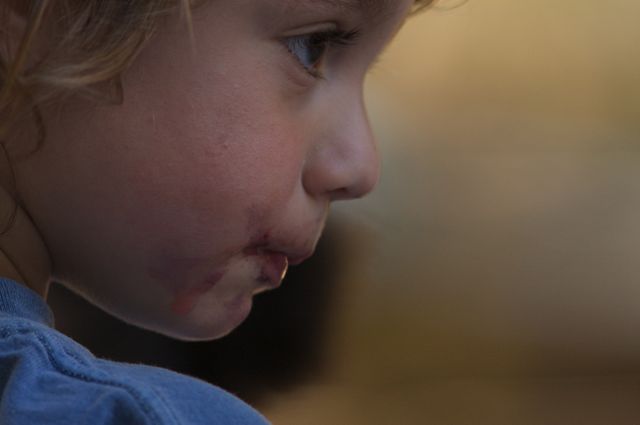
The shallow depth of field blurs the background, keeping it to just that- background, removing unwanted distractions from the subject
Longer lenses have a shallow depth of field. This helps make the subject pop, isolating it from the back ground, creating a strong image. Don’t stop down the aperture too much, leave it wide so that you don’t lose this advantage.
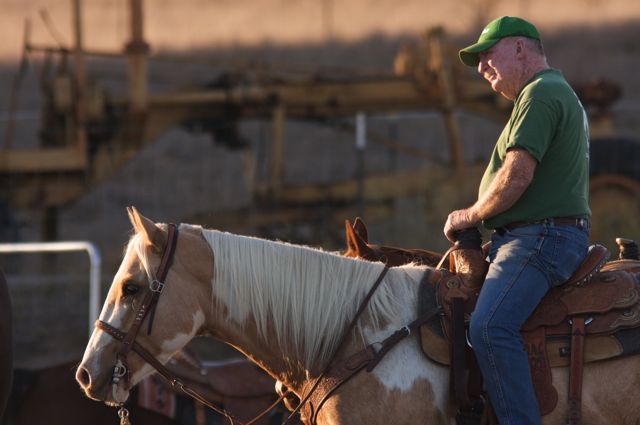
Depth of field can pull the subject out by blurring the background and making it incidental
You can fade into the background, remove yourself from the action, allowing for more candid images. This is especially true when photographing children at play. They don’t focus on the camera, but rather on having fun. You capture them in their natural state, rather than posing uncomfortably in front of a camera, fidgeting as they try to follow directions. It is also effective at weddings and other events, for capturing candid images of guests and wedding party members. The shallower depth of field can help separate people from the crowds around them.
You can zoom in on particular aspects of the subject, focusing on just the eyes, face, or hands. Showing the face or eyes at such close range, with little else in the image can be very captivating. Having just part of the body can also create its own s One of my favorite portrait is of an arm holding a clam as water drips off of the arm.
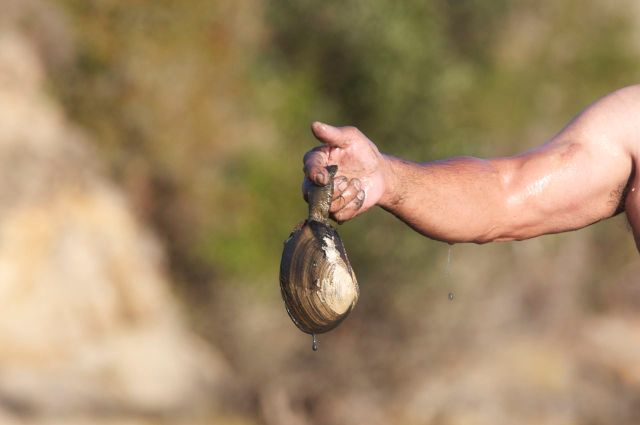
Even just an arm holding a clam can be an evocative image when a telephoto is used
It’s easy to lose the unwanted perspective of shooting from above or below the subject with a telephoto lens. The farther away from the subject you are, the less noticeable your height difference can be. You end up with a level, head on view.
Longer lenses usually need a higher shutter speed to avoid camera shake. Children being as active as they are, you also want a higher shutter speed to freeze the action. It’s a natural fit, they compliment each other.
Using a lens that you normally wouldn’t gets you out of your comfort zone, makes you think in ways you wouldn’t otherwise, adjusting and adapting to situations differently, making you more flexible.
Go out, give it a try. You’ll be happy with the results. I’ve included a slideshow so that you can compare portraits taken of people and wildlife using telephoto lenses (most of the images were taken with a 300mm + 1.4x converter).
Enjoy,
-Galen


 Galen Leeds Photography