Anatomy of a photo #76: Otter tongue (and fish)


New

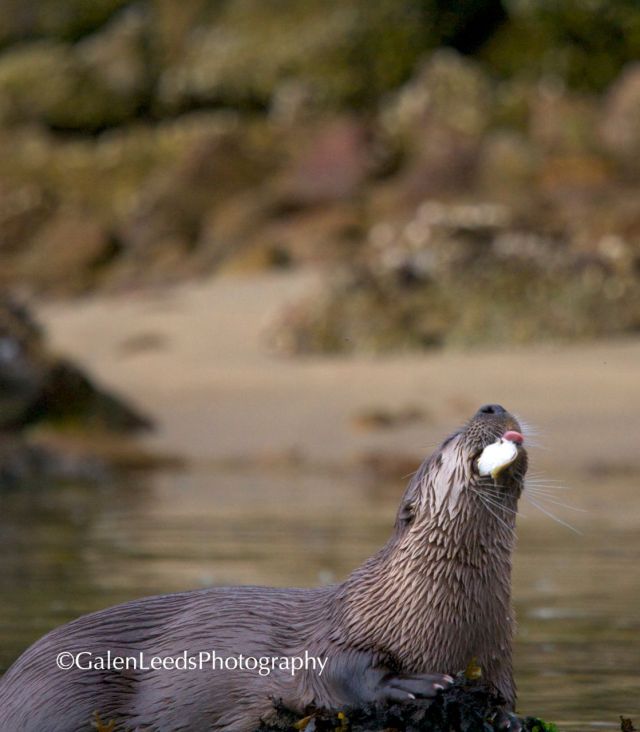
Luckily the otter didn't chomp its tongue along with the fish

I see otter tongues with some regularity, either while they are eating and sometimes while they are grooming on shore between swims. Usually though it is a quick flash inside of the mouth as they are chewing, or a quick flick out as they clean themselves. Either way, the tongue is usually partially obscured by either food or fur. Which is why I like this picture of an otter’s tongue. There is food in its mouth, but its tongue sticks out past it and shows off the shape.

I came across this otter, as I do most of the ones that I photograph- while kayaking. I’d been on a mini kayak camping trip with a friend over a three day weekend. The first morning we woke up on Tomales Bay I got myself ready for an early morning photography and wildlife paddle. I asked my friend Brian if he wanted to get up and come along, but he declined in favor of sleep. I of course saw otters, and he was of course crushed when I told him about it. He had never seen otters in the wild, but they’d always been one of his favorite animals. I din’t see any otter tongues that day though.

When I set out the next day for my early morning kayak photography session, a very sleepy Brian definitely joined me. I’d never come across otters in the bay two mornings in a row, and when I first tried pointing them out to Brian he thought I was joking. It was a disbelief that was not to last, as we followed them from a discreet distance, I with my camera and Brian with binoculars.

We watched them for sometime as they swam in the water hunting the shoreline. Every now and then they would leave the water for a quick romp on shore, rolling and wrestling and grooming. Many times they were just heads and tails sticking out of the water as they coursed along in their small pack of five.

Mostly when they caught fish they stayed fully in the water to eat them, just tilting their heads back as they munched. This otter was the only one that I saw emerge with a fish that morning. I photographed the whole process, and because of the tongue, this was one of my favorite images.

The ISO was set high- 800, because it was a very grey and foggy day, and the light as a little dim. I needed that high ISO to give me a shutter speed of 1/640 of a second while my aperture was opened up as wide as it would go. I wanted this high of a shutter speed for two reasons- first to capture the action, to freeze it, but also because when I kayak I hand hold the camera and I didn’t want any camera shake. I was using a longish lens- 280mm- and the longer the lens, the more you have to compensate your shutter speed to avoid camera shake.

Well, that’s most of the nitty gritty. We of course went on to have a great rest of the day kayaking, seeing bat rays and phalaropes, but that is all part of another story.

For more animal tongues, you can have a look at these animals-

Sea Lion tongue
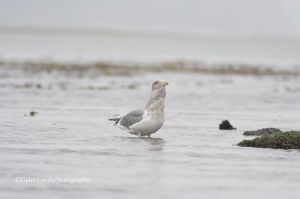
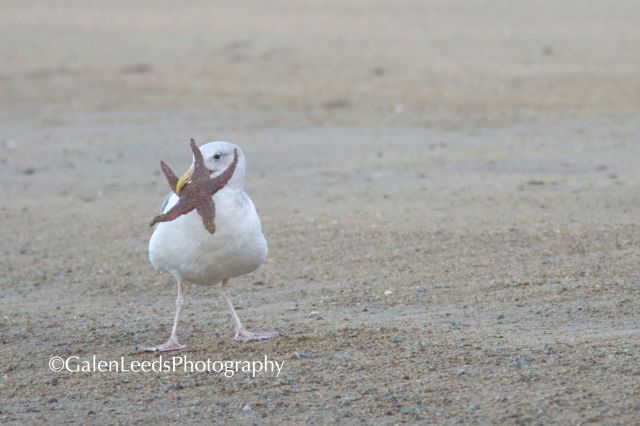
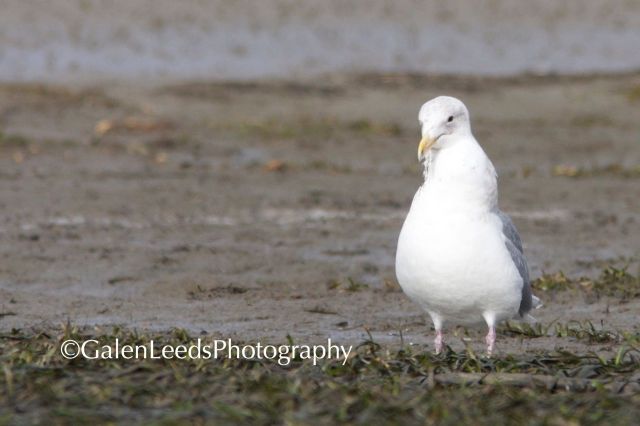
Gull’s tongue while swallowing a whole starfish
Tule Elk tongue
White-tailed Kite tongue (it’s a type of bird/hawk/raptor
Song Sparrow tongue while singing
Posted in Anatomy of a photo, kayak photography, nature photography, otters, tongues | Tagged , , , , , | 2 Comments

Gulls and starfish: An almost disturbing essay in photos


New

This slideshow requires JavaScript.

Gulls eating starfish are by no means a phenomenon, as I come across them at least a few times a year. It does not however seem to be their staple diet. It can be a little disturbing to watch at times, as they don’t ever seem to eb able to get them down easily, and every now and then the starfish appears to become lodged, at least temporarily in the throat of a gull. This photo essay is titled “almost disturbing” (and may be fully disturbing to some) because I show some of these gulls swallowing whole live starfish, and some of them seem to become lodged in the throat of the gull. They are interesting photographs, but not always pretty. (But such is life.) I’ll start with some of the more benign photos to give folks a chance to not see the later ones…

A gull with a prize of a starfish, preparative to dining

I mostly come across gulls eating starfish at especially low tides (usually the neap tide), when the water is out a little farther than usual, which is enough to leave them exposed. Occasionally I will see a starfish peeling from a rock, when it is exposed at low tide, and its own weight, unsupported by the water that would normally be around it, becomes too much for its sucker like (and hand like) psuedopods to maintain its grip on the rocks.

A starfish peeling from the rock face it was stuck to, as its own weight is too much at low tide

Gulls are opportunists, and seeing these easily accessible meals, (it is too hard to peel them from a rock if they are latched on) will scoop them up and attempt to eat them, often times being successful.

It looks decidedly uncomfortable however, taking several minutes to swallow, with the starfish often becoming lodged in the throat for several seconds to several minutes before it makes it all the way to the belly.

Notice the "tumor" in the gulls neck... Yup, that's a starfish

I have also come across instances where the gull doesn’t seem to be able to get the starfish all the way down. I don’t know if this is life threatening. Perhaps the gull finishes swallowing after I leave, or perhaps it can spit it back up… I am not sure… Perhaps it becomes lodged there till the gull and the starfish are both dead. I am not entirely sure of the final results all of the time. The following photographs are from one such gull that I came across and photographed while kayaking in Drake’s Estero in the Point Reyes National Seashore.

It looks a little crazed in the eyes as it tried to swallow this starfish down, but can't seem to make any progress

I see the size of its beak, and the amount of starfish remaining, and I have my doubts

The gull seems to even be having trouble keeping its own tongue in its mouth, much less downing the starfish

I never saw the end results of this starfish/gull encounter. I don’t know who came across the victor in this battle, or for that matter if either of them did. I watched this struggle going on for nearly twenty minutes, but worried my continued presence might begin to overly disturb the combatants, and so left them to their silent battle. (I couldn’t hear any noises from either of them.)

Most of the photographs in this post were captured either in Tomales Bay or Drake’s Estero, both within the Point Reyes National Seashore. There were at least two species of gull eating the starfish, if not more. Please let me know if any of you out there have ever seen this behavior.

For more animal tongues, you can have a look at these animals-

River Otter tongue
Tule Elk tongue
White-tailed Kite tongue (it’s a type of bird/hawk/raptor
Song Sparrow tongue while singing
Sea Lion tongue

Posted in kayak photography, marine life, nature photography, Photo Essay, tongues, wildlife photography | Tagged , , , , , | 15 Comments

Anatomy of a photo #75: Pigeon Guillemot with eel grass


New

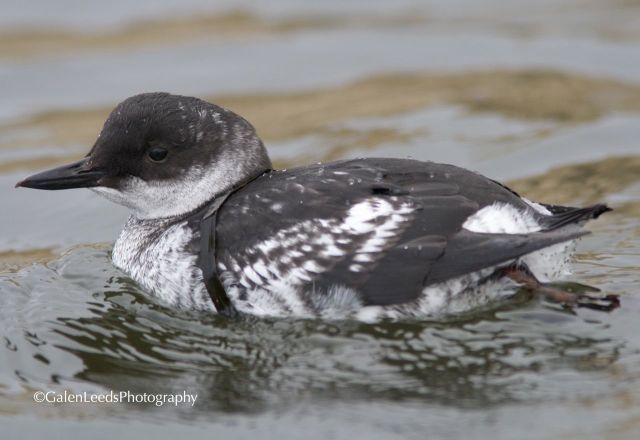
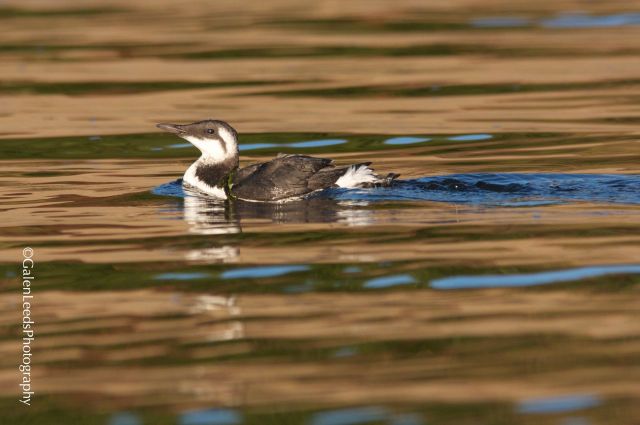
Came across this Pigeon Guillemot while kayaking in Drake's Estero

I came across this football shaped bird one morning while kayaking one of my favorite waterways- Drake’s Estero, in the heart of the Point Reyes National Seashore. (Much more on Drake’s Estero later. I’m working on a photo essay or two about it, it’s such a fantastic place.)

Anyways, I came across this Pigeon Guillemot (Cepphus columba) one day while kayaking in Drake’s Estero. It was a cold and foggy day, but beautiful all the same. These birds often remind me of their cousin the Common Murre, but they are smaller, and well… cuter. This one was especially cute as it had gotten some eel grass draped across its back as it dove down into the waters of the Estero while chasing down a fish. It happened to surface near me and my kayak, so I photographed this portrait of it. I almost think it was posing just for me.

The nitty gritty details are a 300mm lens with a 1.4x converter for a total of 420mm. 1/640 shutter speed because I was shooting handheld from the kayak. F/7.1 for at least a little depth of field, but I didn’t want too much noise so I kept it fairly wide so that I could have an ISO of only 400 in the grey day. The lack of direct sunlight gave everything even lighting with no harsh highlights or blocked up shadows.

Enjoy

Posted in Anatomy of a photo, kayak photography, My favorite Parks, nature photography, photography, wildlife photography | Tagged , , , , , | Leave a comment

Anatomy of a photo #74: Elk tongue


New

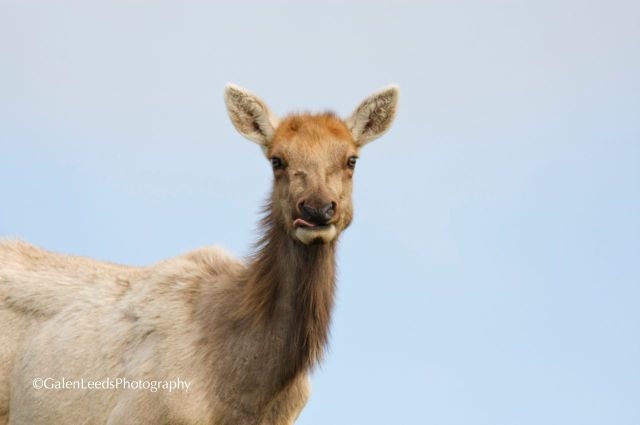
A Tule Elk, licking its lips

Elk are a tongueful animal. I believe I have more photographs of Tule Elk tongues, than I do of any other animal’s tongue. Maybe it’s just them, or maybe it’s just how they act when I am around… eyeing me as a tasty chunk of meat, and licking their lips as they think about tearing me apart and ripping the flesh from my bones…

It may not be so far from the truth… I’ve seen things. But that is not for this post. Right now the topic is the elk pictured above and capturing a photograph of its tongue.

The two things you need straight off the bat are an elk and a camera. Once you have those two things, photographing an elk tongue becomes that much easier. Myself, when I want to find an elk, I head out to the Pierce Point Ranch which is towards the northern tip of the Point Reyes National Seashore. (Beautiful spot to visit, even if it weren’t for the hundreds of elk- Tomales Bay on one side and the mighty Pacific Ocean on the other.) There is an elk preserve out there with a 400+ elk herd. These particular elk are Tule Elk, a cousin to the Roosevelts. No hunting though. If you want to shoot them, it’s cameras only (which is hardly a hardship for me).

As far as cameras go, having one with a telephoto lens is a big help. Elk are big. If by some chance you didn’t scare it away by trying to approach it there is a good enough chance that it could hurt you by striking out with its hooves if it is a female, or with very big, very pointy antlers if it is a male. For everyone’s safety, use long lenses to get close to elk, not your feet.

The rest is partially luck and timing. Watch the elk, see if it seems likely to be about to stick its tongue out. This is more common if it is eating or grooming. Take your chances, observe, and shoot. If you’re fast enough, ou too may get a picture of an elk’s tongue.

420 mm lens, shutter speed 1/1000th of a second to freeze the motion of the tongue.

For more animal tongues, you can have a look at these animals-

River Otter tongue
Gull’s tongue while swallowing a whole starfish
White-tailed Kite tongue (it’s a type of bird/hawk/raptor
Song Sparrow tongue while singing
Sea Lion tongue

Happy shooting

Posted in Anatomy of a photo, elk, photography, tongues, wildlife photography | Tagged , , , , | 4 Comments

Anatomy of a photo #73: The Common Murre


New

The Common Murre (Uria aalge) is not a rare bird on Tomales Bay, but neither is it as common as its name might imply. I see them with some regularity on the quiet waters of this slightly inland area, but generally it is only one or two at a time, if I see any at all. The chances of seeing one are slightly improved if one ventures closer to the mouth of the bay (as I often will in my kayak). There isn’t a specific season when they are especially common, but don’t expect to see them on the waters of the bay when they are nesting (they prefer big rocky islands, like the Farallons).

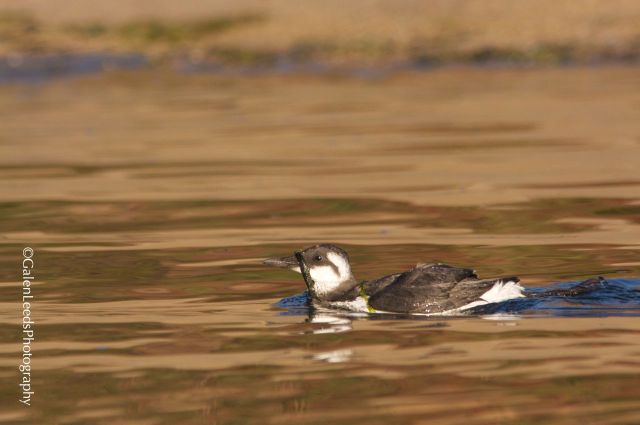
This Common Murre ended up getting a little Eel Grass wrapped on its bill when it surfaced

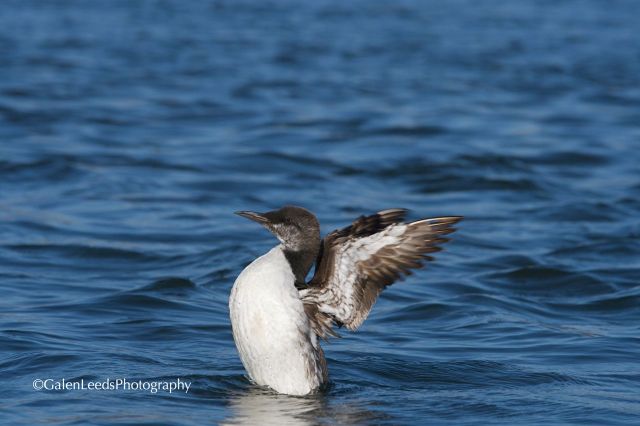
This particular bird is in its non-breeding plumage. you can expect them to look about like this (or with a little more white on their heads) by the time September begins to wind down.  I think I prefer them in this plumage… but I am not a Murre. I really enjoy seeing them when the chance arrives. They are a fun little bird to watch as they dive deeply for fish and the occasional crustacean.

A proud little bird, with its head held high (and eel grass on its neck)

This image was taken using a 300mm lens with a 1.4x attachment for a total of 420mm. Shutter speed was fairly fast at 1/500th to capture any movement without blurring and to allow me to hand hold (so very difficult to use a tripod on a kayak). Aperture was stopped only partway down, so that the bird and only a narrow strip of water would be in focus, but with a slightly blurry foreground and background (aperture was set to f/9). ISO was set to compensate at 400.

And here is a bonus image of a murre beating its wings

Posted in Anatomy of a photo, birds, kayak photography, murre, wildlife photography | Tagged , , , , , | 2 Comments

Anatomy of a photo #72: The White-tailed Kite’s Tongue


New

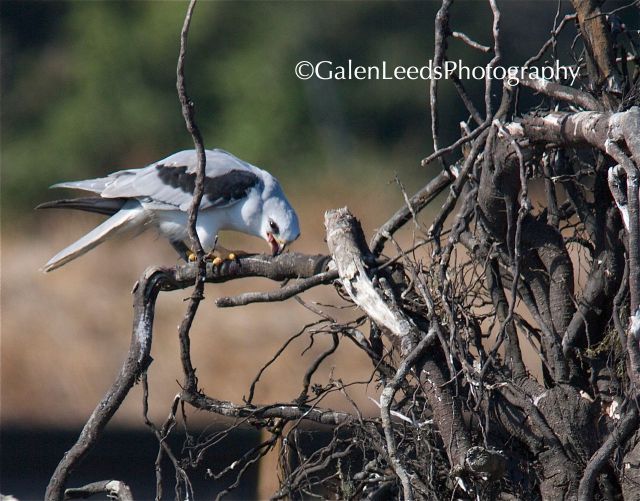
This kite stuck its tongue out repeatedly while cleaning its bill

I captured this photograph (it is one of many) of a White-tailed Kite (Elanus leucurus) cleaning its beak, after I had watched it devour a mouse.

For eighteen minutes, I lay on the damp, almost marshy ground, unmoving while I cowered up against twenty inches of cloth fencing, as I watched the kite land and eat its prey. I thought the show was over, when it began to clean its beak for an additional four minutes and forty seconds. I had been laying in that same spot for an additional twenty five minutes before the kite landed, as I had observed that the roots of this fallen tree seemed to be one of their favorite butcher’s blocks (place where they would bring their prey to dismember and devour).

Was it worth it to lay there in an uncomfortable position with the cold, salty wet slowly seeping through my clothes and into my skin? Yes, decidedly yes, because I was able to see something that I had never seen before- a bird of prey sticking out its tongue as it cleaned its bill. I try to think back to when I was a kid, watching a parrot clean its large curved beak on it perch… Did it too stick out its tongue as it rubbed its beak along its perch? It may have, but it wasn’t the same…

This photograph was captured in the Giacomini Wetlands, while I was documenting the wetland restoration work being undertaken by the Point Reyes National Seashore (one of my favorite local parks). I was photographing the work being done to turn cow pastures that had once been the southern end of Tomales Bay back into the southern end of Tomales Bay. I was also recording, in pictures many of the different species present during this work so that there would be a visual history of the different spices before and after the project. (I am still heading into the wetlands three years later to photograph new species that are still arriving in the area.)

Kites are not present in as high of numbers (there are very few now) in the tidal areas of the wetlands, but you can see them yet in the grassy verges, as the marsh transitions into grassland. The Northern Harriers (also know as “Marsh Hawks”) on the other hand, while having dropped in numbers slightly are now a much stronger presence than the kites. The two raptors that seem to have benefited the most from the restoration are the Osprey, which now has a new area to fish, and the Peregrine Falcon, which now has a wide selection of shorebirds to feed upon in most seasons, as well as a plethora of ducks to hunt in the winter.

This image of the kite cleaning its beak was captured using a 420mm lens. I was shooting handheld at 1/1000th of a second to be sure to freeze all of the action and to eliminate camera shake. The aperture was set to f/8.0 so that the entire bird would be within the depth of focus. ISO was then set to 500 to compensate for all of the other settings.

Enjoy the photo,

Galen

For more animal tongues, you can have a look at these animals-

River Otter tongue
Gull’s tongue while swallowing a whole starfish
Tule Elk tongue
Song Sparrow tongue while singing
Sea Lion tongue

Posted in Anatomy of a photo, My favorite Parks, photography, raptors, tongues, wildlife photography | Tagged , , , , , , | 6 Comments

Anatomy of a photo #71: Cauliflower fractals


New

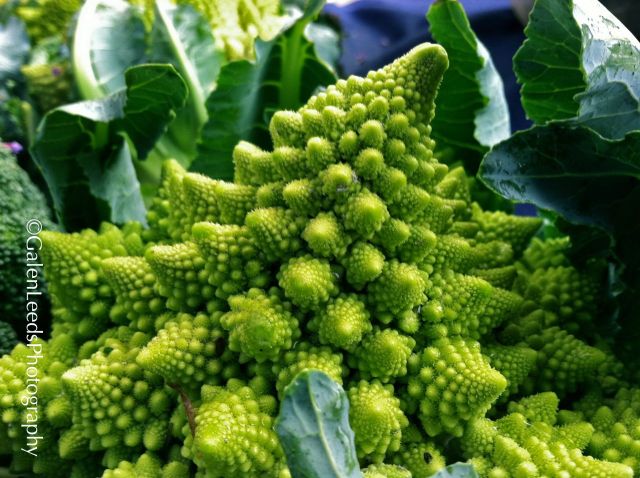
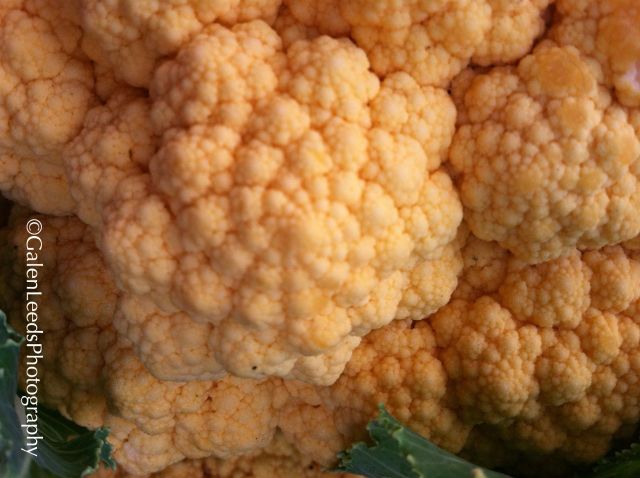
The pointy, fractalized Romanesco Cauliflower

Plants and nature are rather amazing as they follow mathematical formulae, growing to patterns we don’t even realize until they are shoved under our noses, like in the case of a Romanesco Cauliflower. It is a series of tiny florets, each spiraling from its base, a nearly perfect swirl, always in the same direction. The cells are building blocks, placed tightly and securely one after another, until this glorious “flower” takes shape.

Romanesco Cauliflowers taste like regular cauliflowers, except that they are more flavorful and perhaps a little nuttier

Nature is full of numbers- primes, fibonacci numbers, squares and cubes, but usually it is not out in the present enough that we notice it. Sometimes though, we will see something like this that makes us examine nature a little more closely. After seeing one of these beauties, I peered a little more closely at a regular cauliflower… and I saw all of the same spirals, twisting away in the same patterns. They are more subtle however, as they are not nearly so thee dimensional and don’t stand out in points. You will notice that they spiral in a similar manner.

A more standard cauliflower, but you can see that it to has the same spiral pattern

These photos were taken with my phone’s camera, as I did not have my fancier equipment with me on this day that I was at the market. No flash was used, but there are no blocked-up shadows in the photos for two reasons- it was a grey day, and I was in a place that cast even shadows all around me.

It just goes to show that the best camera in the world is the one that you have with you.The best SLR in the world is useless if it’s not with you. It is only a tool, and can’t capture a single image without you. I’ve gotten photographs published in newspapers simply because my a small camera was in my pocket during situations when I couldn’t have my full gear with me.

Math is present throughout nature, even if we don’t always realize it. The way leaves form, the structure of our bones… just about everything. We just don’t always have the right tools to be able to interpret all the little things that can go into the final result. Even ice. It doesn’t just freeze to the shape of its container, but can shape itself, like these geometric ice anomalies.

Posted in Anatomy of a photo, How To, photography | Tagged , , , , , , , | Leave a comment

Anatomy of a photo #70: Great Egret Hunting


New

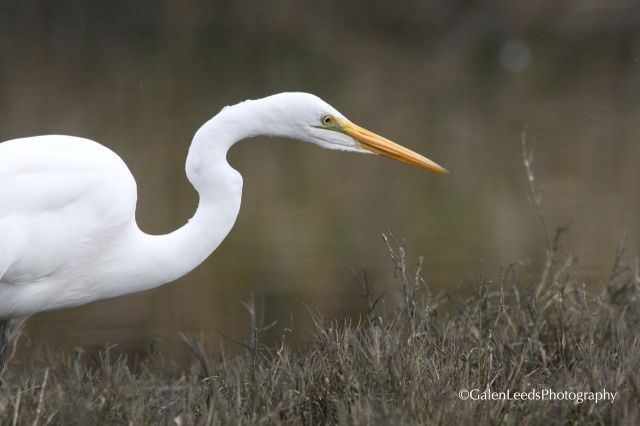
This egret is so focused on fishing, that it is barely aware of anything else in the world, including me, as I drift quietly

As I look through images, deciding what to use in my Anatomy of a Photo series, I notice more and more that many of my favorite wildlife images were taken either in deep shadow, or on foggy and cloudy days. The reason is simple- that natural lighting shows detail and definition. Nothing is lost to blocked up shadows or burned out highlights. It is not necessary to perform intensive HDR processes… the palatte is ready, it only requires capturing.

I photographed this Great Egret (Ardea alba) one day on a high tide, while kayaking the shores of Tomales Bay in northern California. It was feeding in a salt water marsh, that I normally would not have been able to paddle into, except that it was the spring tide, and the tidal slough I slipped into seemed more accessible than I had ever imagined.

The Egret stood there on the edge of the slough, wading through pickle weed and salt grass, as it hunted for tidbits discomfited or confused by having their habitat flooded. So focused was it on its hunt, that I am not entirely sure that it noticed me as I drifted by in my kayak, only a few feet away.

On sunny days, the white feathers of Great Egrets make them especially hard to photograph. If you expose for the Egret and its feathers, the surrounding world is underexposed…dark, muddy colors. If however you expose for the water, vegetation, fields, or trees that surround it, you loose all detail of the bird, because its features are all overexposed and burned away.

Enter the grey and foggy day… the contrast is not as great, and you can actually capture an Egret like this one with its natural habitat.

On gray days you do have to compensate for the lower light. This photograph was shot from my kayak handheld. To keep camera shake down with the long lens I was using (420mm) I had to bump the ISO up to 800, so that I could maintain a shutter speed of 1/640th of a second. (I like to shoot herons, egrets, and shorebirds at high shutter speeds, because when they move, they move very quickly). The aperture was f/8.0

Posted in Anatomy of a photo, birds, egrets, kayak photography, nature photography, photography | Tagged , , , , , , | Leave a comment

The Klamath Basin: My introduction to lava tubes, and I am told where to find the eagles


New

This slideshow requires JavaScript.

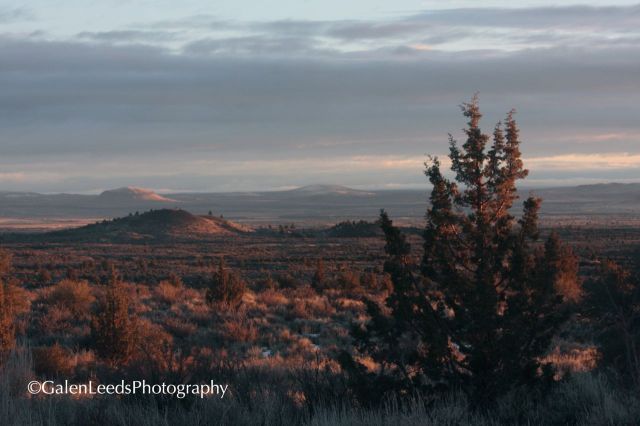
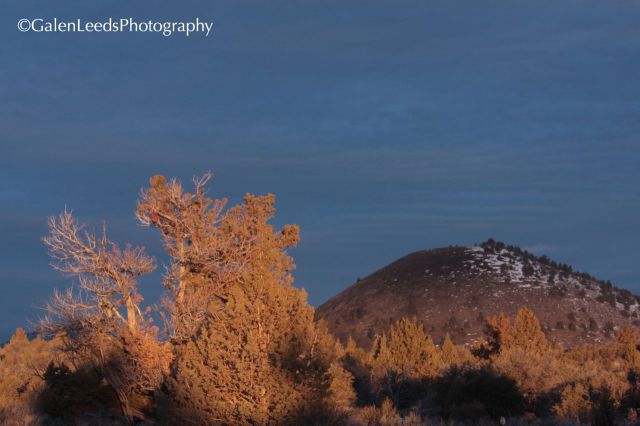
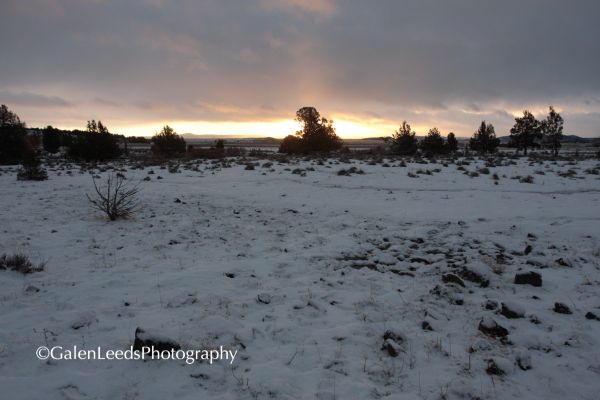
I had only seen the narrow strips of land within my headlights on my drive into Lava Beds National Monument, so when I woke, it was to an unfamiliar landscape. Volcanic rock, scrub and trees dominated the nearby landscape, lava domes dotted the more distant horizon. Clouds filled most of the sky, and the sun was still a little while from rising. I put on my gloves, down jacket and hat to explore more deeply my temporary home.

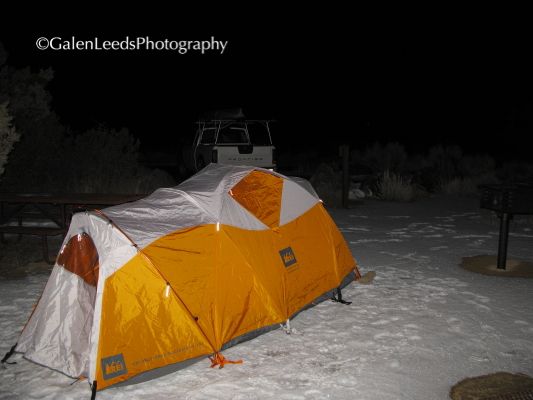
When I emerged from my tent, I was surprised at all the animal tracks showing the happenings of the night, it being such a sparse seeming land. I had heard coyotes as I went to bed, but the loneliness of their calls had only reinforced my expected lack of life in the area. From the number of tracks on the ground however, the land was very much alive.

Rabbit tracks not far from my tent

I wandered the deserted campground, making short forays into the surrounding scrub, studying the various tracks, searching for interesting angles and vistas to shoot, scouting for where I wanted to be when the sun rose, if it rose, through the overcast. It was an interesting landscape with interesting colors. It seemed somewhat subdued and austere. Most everything that I could see had the feeling of being a survivor. A harsh land creating inner strength.

A beautiful landscape kissed with sun greeted me in the morning

The sun took a little time to show through the clouds, but when it did I felt rewarded. It had a warmth to it that battled the grays, tans, and dull greens of the winter landscape (but did little to warm me). It highlighted the land, gave it relief, showing me me the nature of it. After I had taken some photographs, the sun returned to its hiding place among the clouds and I broke camp, determined to explore more of this new land, hopeful to see more eagles.

I drove the snowy roads of the park, exploring what I could see from the roads, occasionally stopping to take a picture here or a picture there, but the sun had gone out of the landscape, leaving scenes that defied my attempts at composition. I finally found myself with the road ahead closed from too much snow, and a slippery drive back. I followed an intriguing sign that I was determined to explore more deeply- [Valentine’s Cave ⇒]

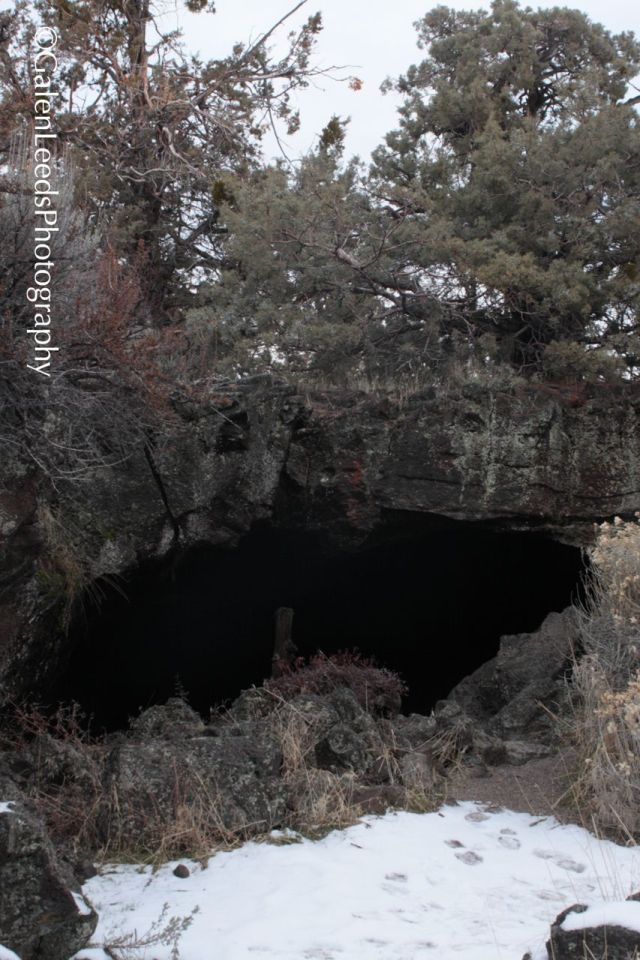
I’d seen signs for various caves as I’d driven through the park, but hadn’t stopped at any of them before this. The Cave I learned from the sign outside was actually a lava tube, as were the other “caves” that I’d seen signs for.  I approached it.There was a twisting set of steps leading down into a dark mouth of earth.

The dark snowy entrance to Valentine's Cave

It looked a bit ominous, but having a headlamp and a healthy dose of curiosity, it was something I couldn’t resist- I’d never been in a lava tube before.  Not knowing what to expect, I carefully descended the steps. The layers of snow and ice coating them gave me visions of lying at the bottom, frozen, before the next park visitor came by, days later… although I was sure I would at least be able to drag myself back to my car, a theory I didn’t need to test as I safely reached the bottom.

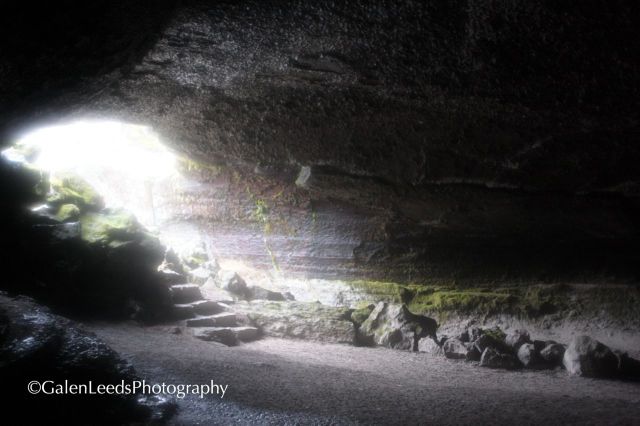
I walked a short way into Valentine's Cave before turning around to take this photograph. The softness of the light is from the temperature change and water condensing on my lens in the much warmer air

As I entered the dark, close confines of the lava tube I thought my mind was playing tricks on me. The air seemed to be getting warmer, except that I had learned from the informational sign at the cave mouth that it was thousands of years since lava had flowed through this tube. It couldn’t be the warmth from volcanic activity (although I half expected a reddish glow to be coming from the dark depths of the tunnel), and I wasn’t being active enough to have warmed up that much, yet I was suddenly feeling like I could take off a couple of layers. I tried taking some pictures, but the lens of my camera kept fogging up right away, and I realized it was getting warmer. (I later learned that some of the lava tubes, because of their shapes work on a six month air exchange cycle. While it was wintertime, and the temperatures were below freezing outside, the cave was full of the air from summertime and was quite warm and humid- maybe a thirty or forty degree temperature difference. )
For more on the details of creating the photograph above you can read Anatomy of a photo #11: Lava Tubes and Temperature

The lava tube wove into curving darkness before my headlamp, twisting into separate chambers that then reconnected. The ceiling dipped and rose, so that at times I was hunched over, but thankfully did not have to crawl. The walls were fairly smooth and rounded, as though they had been bored out, except they were too textured from the lava that had flowed through and shaped them. I only made it a few hundred feet in, well out of sight of the entrance and stairs, before I became too nervous at being alone so deep underground, no one knowing where I was, when I turned around. Someday I will return to find the end of Valentine’s Cave.

Mountain of ash, testifying to the volcanic nature of the place

Emerging back into the cold and grey of day, leaving the warm and humid night, I decided to get a little guidance for my explorations. I drove off to the park’s Visitor Center to learn a little more about the area, and to pay the camping fee (the park had been completely shut down when I arrived under the dark wings of night). I was in a very intriguing place, full of geology and history, the history mirroring the torn landscape where it was born. I also learned where to look for birds (and eagles).

Posted in birds, My favorite Parks, National Park, nature photography, Photo Essay, photography | Tagged , , , , , | 2 Comments

The Klamath Basin: The beginning of the adventure (A tour of photos)


New

This slideshow requires JavaScript.

The Journey and the Reason for it

This past winter I went on a Bald Eagle hunt. I had heard for several years about an area on the border of California and Oregon, that has one of the highest populations of wintering eagles in the states. It had reached almost mythical proportions in my mind as friends drew rough verbal sketches of where they had gone and what they had seen, and I didn’t really know what to expect, except for cold, eagles, and waterfowl.

I had the week between Christmas and New Years to myself, which while on the early side of the wintering population peak was still within the window, and so I decided to finally explore the area and increase my library of Bald Eagle images. What I discovered up there, lost in the winter quiet was more than the bird rich area that I expected, but also a wonderland of geology and history.

I set off after visiting with family on Christmas Day, with my kayak loaded on my truck, my camera batteries charged, my warmest sleeping bag and  a four season tent. I expected to spend a night or two in roadside motels though out my time in the area, but wanted to be able to experience the winter beauty of the area that a tent would allow.

I arrived in Klamath Falls, just over the border into Oregon, late at night in the midst of a mild snow storm (only a few inches had fallen so far)and found myself a motel with a greasy spoon attached (read: a slightly worn sleeping establishment with a trucker’s cafe attached that served hardy helpings that glistened from all of the butter used for cooking… tasty, but only one step removed from a mild coronary). I crawled into the clean sheets, exhausted from the extra care and attention that the snowy roads had demanded.

The day brightened as I settled in to watch for eagles

I set out early in the morning, before sunrise, slipping along the snow covered roads to where the map I found on the internet said I would be able to see the Balds. I found myself on a snow and mud covered dirt road as the day arrived, lighting an overcast sky. While I saw only a few eagles, I was instead drawn in by the austere beauty of a harsh land. Sparse vegetation and rocks showed themselves through the snow.

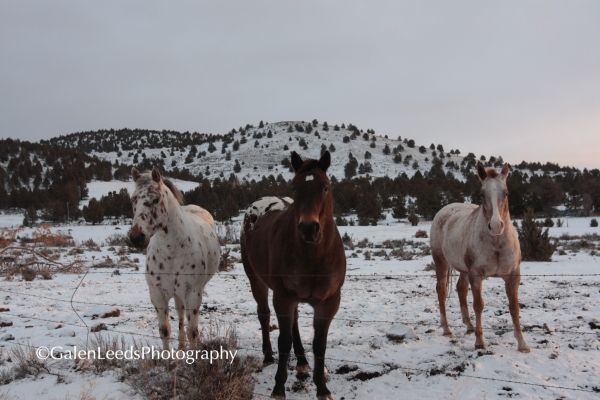
Three horses watched me as I scanned the skies

I met a man who lived on the dirt road as I stood there budged against the cold and watching the coming of the day. He told me several useful things-

  • You actually need to show up while it is still dark if you want to watch the Bald Eagles fly from their valley, which they finish doing before sunrise. Not good for photography. I had arrived at sunrise
  • The numbers have been okay, but not as high for the last couple of years
  • The eagles scatter pretty well during the day, but if I cruised around I would be sure to see some (in the couple hundred mile2 range that they cover each day
  • I was welcome to watch, but I should move out of view of his crazy neighbor’s place, because he tries driving people off by saying it’s a private road. (It’s not, the neighbor is just kind of crotchety that way and likes to say that it is)

So I watched a few scattered eagles for a while (hidden by a bend from his neighbor’s place), before driving off to explore the area that I found myself- the Klamath Basin.

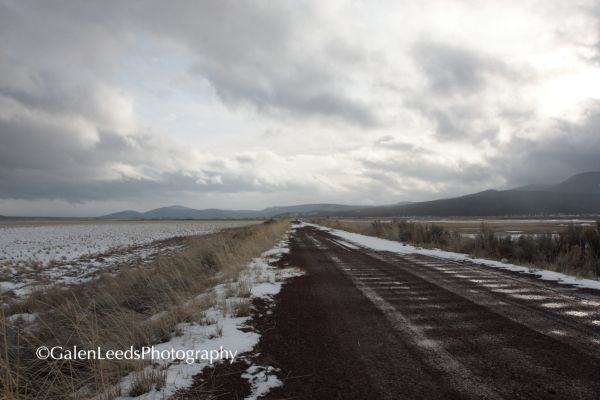
Lonely roads with the plains of the basin stretching alongside under a threatening sky

Being a basin it is surrounded by mountains, and would almost be a huge valley (in some ways it is) except that it feels like it has been filled in by silt and volcanic ash and rock over the ages. Many shallow lakes and ponds surrounded by thin grasses and scrubby plants. It almost has a high dessert feel, except that it is also fairly agricultural. The surrounding mountains are covered in forest. Train tracks follow several of the roads. It’s beautiful.

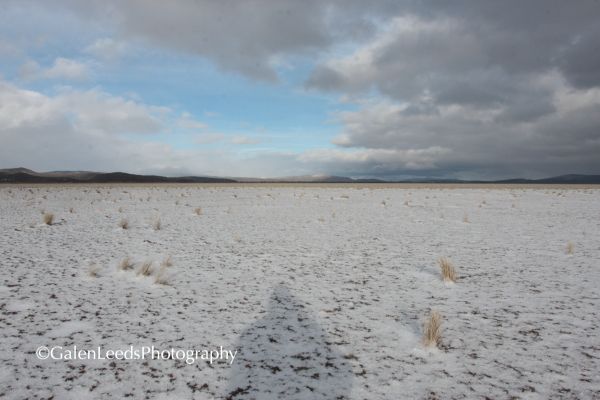
Small volcanic rocks litter the bed of what would at times be a very shallow lake. Self portrait

I wandered deserted lonely roads, searching for likely hunting grounds for the eagles, and also for a place to pitch my tent for the night. I did not know the area or what parks might be nearby. I had thought of visiting Crater Lake National Park, but the snows of the night before had shut down the access road. Each time I thought I was near a place where I could camp, the roads became impassable.

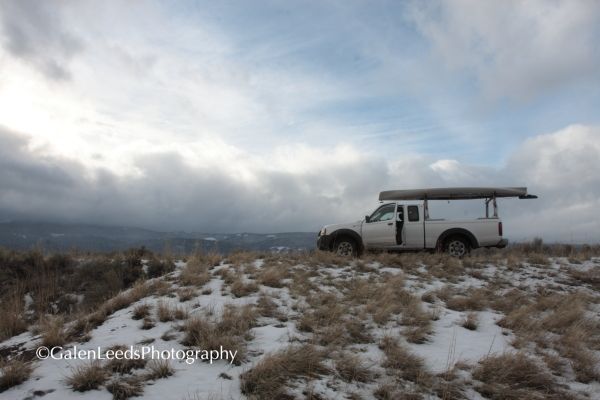
My kayak stayed on my truck without a deep enough lake to paddle in

Neither was I finding a place to kayak. So I wandered, until near evening I found myself once again out of sight of the neighbors, watching the eagles return to their valley for the night. As I sat there, watching distant shapes wing their way home, I considered my options. I did not want a motel. I wanted the quiet of the outdoors. And so, in the dark, the roads turning icy, I found myself driving towards a spot on the map that I knew nothing about- Lava Beds National Monument.

My lonely, snowy camp that night

I made camp by the light of my head lamp in one of the parks designated campsites. I was the only one in the entire park, and so I cooked myself a quick meal, and went to bed, wondering what the light of day would show me of the place that I had ended up in.

Posted in birds, landscapes, My favorite Parks, nature photography, Photo Essay, photography, raptors, road side, wildlife photography | Tagged , , , , , | 8 Comments

Coyotes: An essay of photos


New

This slideshow requires JavaScript.

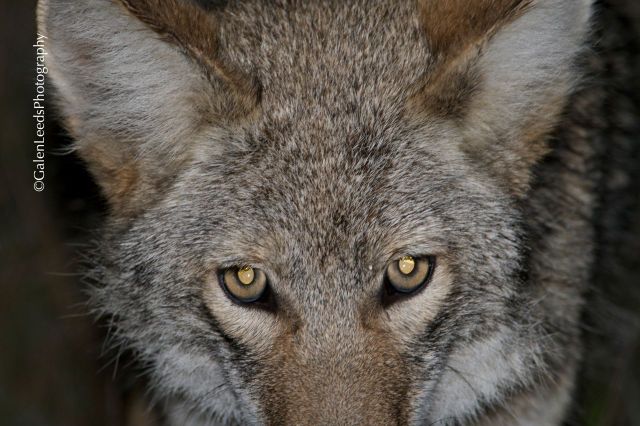
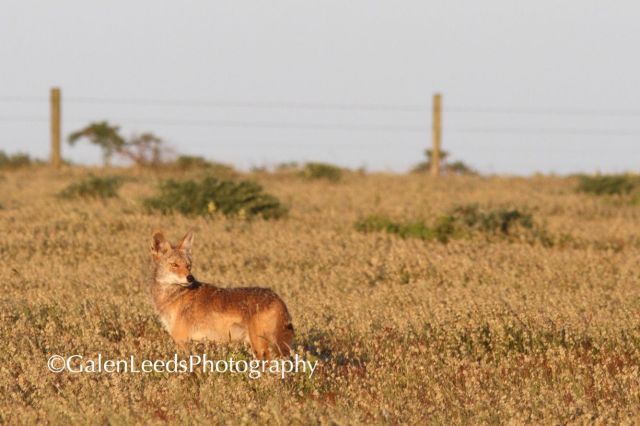
I live out in the country. In ranch land in fact, and the feelings out here about coyotes are often rather negative. They are an interesting animal, and are rather wily if I may. In urban and suburban areas they can become bold, stealing small pets, and even approaching humans to beg. I once had encounters with a coyote that would walk in front of slow moving cars to stop them so that it could have its picture taken and beg.

The coyote that would stop cars. I tried to scare it off with my flash when it approached me too closely one morning, but it wasn't even fazed

Out here in the country however, they are much more skittish, running off at the slightest movement or sound. They have to, their lives depend on it. Ranchers shoot these marauders to protect their sheep. Llamas and sheep dogs only work to a point, especially during lambing season, so the ranchers patrol their borders with lead and steel.

Coyote noticing me, as I sit in my kayak, photographing it from a tidal slough in the Giacomini Wetlands

I see them sometimes, distantly in a field or wandering the shoreline. When I see them in a more wild state and habitat than the ranches and the suburbs, they are a different animal, one that intrigues me and draws me on. They can be a beautiful animal, with intelligence behind their eyes.

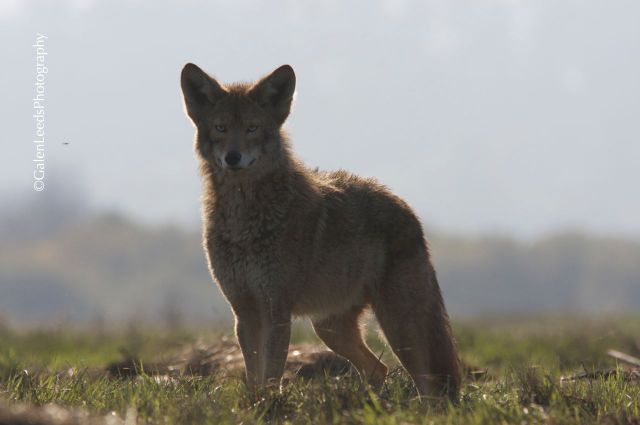
They definitely do not have the mass that you see in a wolf, often feeling lanky (almost appearing undernourished because of their natural build). Their reddish to straw colored coats blend into the grassy territory that they hunt.

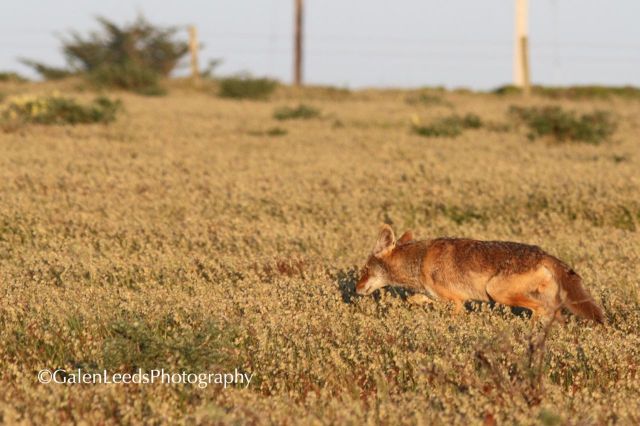
A sleek looking coyote cutting through the grassy fields of the Point Reyes National Seashore

Their natural prey is a combination of small rodents, rabbits, amphibians, reptiles, and scavenging. From their diet you would not guess at the bearing and presence that you can see in their eyes. They are hunters, predators.

The coyote surveys the wind and the fields


Posted in coyote, My favorite Parks, nature photography, Photo Essay, photography, wildlife photography | Tagged , , , , , | 6 Comments

The fall raptor migration is upon us


This slideshow requires JavaScript.

It’s the last week of September, and here in northern California’s Bay Area, the fall raptor migration is peaking, as far as sheer numbers go. We still have a lot of variety to go (we’re waiting for some of the more northern birds to make their way down from Alaska and Canada), but the daily totals we have in our sky right now are hard to beat. The Rough-legged hawks haven’t showed yet, and the Ferruginous Hawks have just started to pass through.

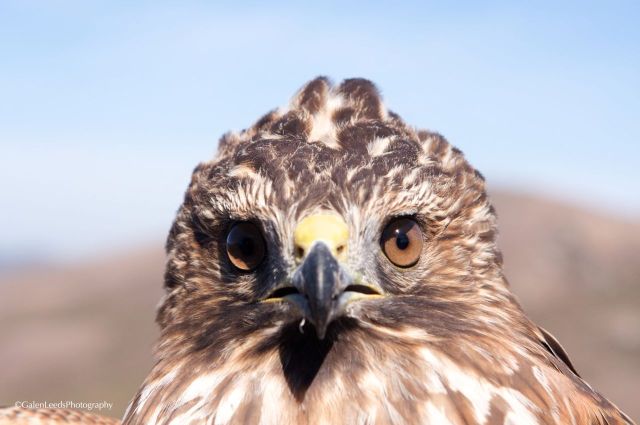
Red-shouldered Hawk banded on its migration through the Marin Headlands

Many people around San Francisco don’t realize it, but just on the other side of the Golden Gate Bridge is one of the only spots on the West Coast where you can see a noticeable hawk migration. An abundant food supply (small birds, rodents, snakes, etc.), and inviting updrafts created by coastal hills bring hawks, falcons, kites and eagles into the area on their southern journey. They are stopped by the Pacific Ocean (they don’t like to fly over water- no updrafts, so it is too much work and too little food), and are turned south. They are spread out, but begin to be funneled together by San Francisco Bay (if you look on a map, Marin County is almost becomes funnel shaped as it approaches the Golden Gate, with the Pacific on one side and the Bay on the other). And so you get numbers. Sometimes more than a thousand a day.

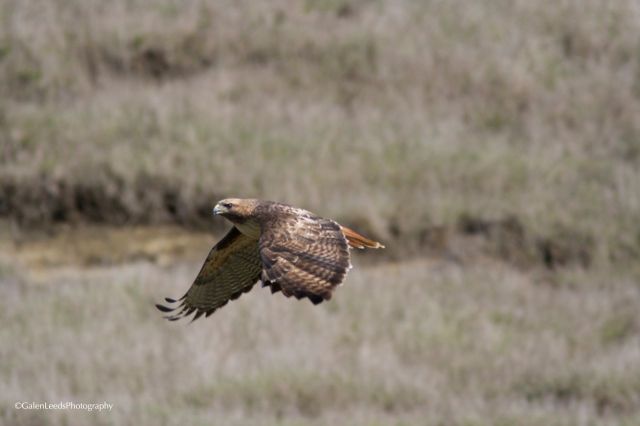
Red-tailed Hawk flying through the grassy hills of Marin

It makes it an ideal place for the Golden Gate Raptor Observatory, a largely volunteer raptor studying group that is led by a small group of dedicated raptor biologists. They spend the season counting the different raptors that migrate through (here are their daily hawk watch totals). Throughout the migration season they stand atop Hawk Hill in a loose circle, with a different team monitoring each of the cardinal points. They stand there in the elements gathering data to further our understanding of raptors. A very brief article I wrote for a travel website on how to find your way to Hawk Hill has been syndicated in Salon’s recent article on fall migrations.

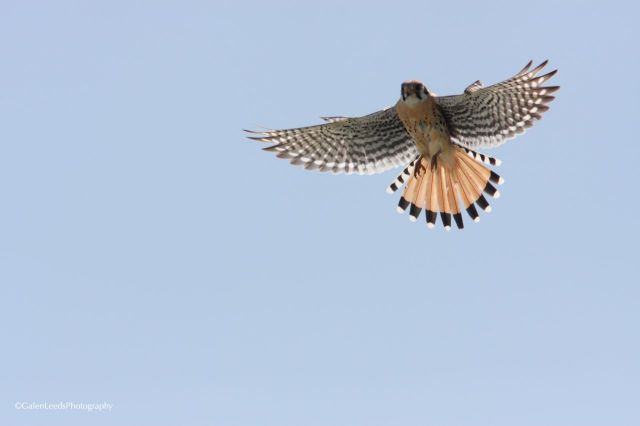
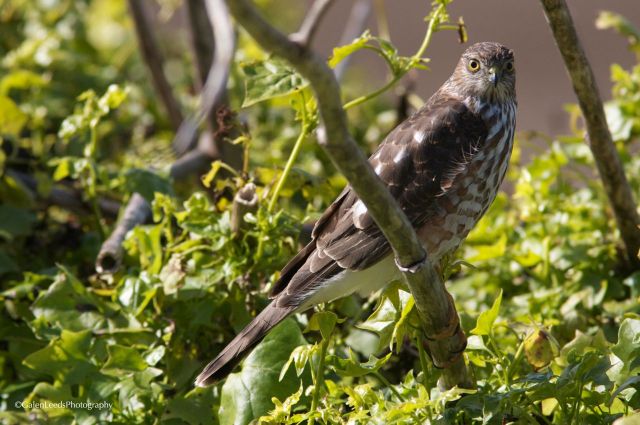
While the migration will continue strongly for a few more weeks, its peak will conclude around the end of September. During the average migration we see 19 different species of raptor. I hope you can make it out there to enjoy some of the activity.In the meantime, enjoy the slideshow of raptor photographs at the top of this post. I can let all of you guess each of the species, or I can caption each image with what each bird is. Let me know what people prefer.

Posted in birds, My favorite Parks, nature photography, photography, wildlife photography | Tagged , , , , , , | 9 Comments