Anatomy of a photo #1: Tomales Bay reflections


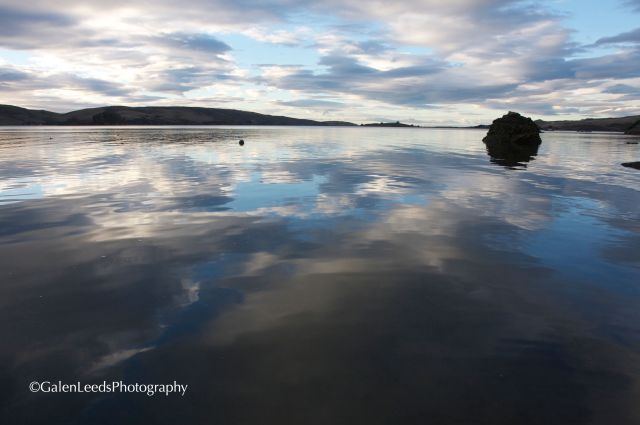
Evening on Tomales Bay

This is the first in a new series I am starting on the blog. Every few days I will post a “Photo of the Day” and explain how I captured that particular image, what I was thinking as I tried for the capture. Sometime it will be images that I believe were success, sometimes they will be failures (failures are sometimes the best educators.)

This image was taken a little before sunset one evening on Tomales Bay. I was on the east side of the bay, facing west towards the setting sun. The source of light was coming from across the bay, and I knew this would nicely silhouette any rocks that were visible. The water was calm and fairly glassy. A good time to incorporate reflections into the image. It was also a very nice sky as there were clouds. A plain blue sky without clouds is boring, as is a featureless gray expanse. The best is a mix of shapes and colors (which is why I love thunderstorms). Also the simplicity in the colors is nice. There are few colors to distract from the scene.

I was using a fairly wide angle of lens (zoomed all the way out to capture as much of the scenery as possible.) When I am zoomed out I like to have strong foreground elements, objects or images close to the camera. This will help to give scale to an image, a sense of the immensity of the landscape. I got down low to the water. If I was high above the water I knew I would lose much of the foreground detail, that there would be little to scale against.

I looked around for rocks in the water to help break up the endless reflection of the sky, something that would contrast the blue and the clouds. Reflections are beautiful, but they it can be easier to appreciate them if there is something solid or contrasting in them to catch the eye.

Next I followed the rule of thirds (this is something that is likely over discussed, but valuable because it can often help to initially set up the composition). I placed the horizon in the upper third of image (very rarely will I place a horizon dead in the center of an image, because it won’t flow as well.) I left the reflection in the lower two-thirds of the image, because I thought that the exceptional clarity mixed with the small swells made it a stronger image than the sky. I offset the rocks to one side, again avoiding key images in the center of the picture.

I set my camera to under expose slightly. Since I was looking towards the light source it didn’t especially matter if it was blocked by the hills and clouds. I wanted to maintain the color saturation I was seeing with my eyes, and to possibly even add to it a little. Also, water reflects a lot of light and I was trying to compensate slightly for that.

I did a test shot or two, making sure my exposure was around where I wanted it, did my final composition, and took the shot. I also played around with a few other compositions, but this was my favorite (at least today).

I hope you enjoyed this additional format to the blog

-Galen
Posted in Anatomy of a photo, How To, landscapes, nature photography, photography | Tagged , , , , , , , | Leave a comment

Use presets if you have them to switch between video and still shooting


For video and stills you want to use two very different shutter speeds. Often when shooting stills, it is best to have the highest shutter speed you can while maintaining the aperture and ISO that you want. Not so for video. If there is any action in your movie, chances are you want to be shooting at a shutter speed of 125 or less. Anything faster and the video will turn out choppy, and not smooth at all. For video the faster the action, the slower the shutter speed. For those of us used to shooting stills, it’s almost counter intuitive.

I often find myself shooting video for a few minutes before remembering this crucial detail, and I can always tell when I am reviewing the footage later, exactly when I switched to the lower shutter speed (compensating aperture and/or ISO to match the new speed.)

One simple option can be to shoot stills in aperture priority and stills in time priority. That way, all you have to do is switch your shooting mode and your camera will then compensate itself accordingly. The other option, if you have presets, is to set one (or more) for your filming settings, while leaving the cameras normal shooting mode set for stills. This way it is a quick twist of a dial (or visit to menu) and you are ready to switch gears. You won’t have to drop your shutter speed way down and then decide how much you need to adjust your ISO and aperture to compensate for the new exposure.

Posted in documentary, How To, How To, photography, SLR, video | Tagged , , , , , , , , , | Leave a comment

Don’t let your photos sit in your camera


One of the most important things to do when taking pictures is to not leave the pictures on your camera for months, before viewing them on your computer. This is especially true when you are first learning a new camera, or using a camera that you have not used with great regularity.

When reviewing pictures on your camera, you get an idea of how the image turned out, but you don’t get the full “picture.” It’s hard to tell where the true focus is at, the full composition, any issues with color or exposure, and so much more. If you wait to look at your images on the computer until weeks or months have passed, it is hard to remember why you did what you did- or even what it was that you were trying to do- and to be able to learn from it.

The sooner you review your pictures(in a format where you can see details and accurate rendering), the better you can learn from them. As technologies and cameras advance, it becomes more and more important to stay familiar with your equipment, and to learn what new things they are capable of by viewing the results.

One of the great things about taking a photography class or workshop is that in order to have pictures critiqued, everyone is viewing their images immediately after taking them. Even before the other students or the teacher has said a word, most of is are already evaluating our pictures and deciding on little adjustments we could have done to improve the shot.

Finally, if you lose your camera, drop it in the ocean, accidentally smash it, run too much voltage on it, have it slip into a campfire, or have your camera destroyed in some other manner, not all of your images will be lost with it. (It can be equally important to store all of your phones images on your computer for the same reason.)

Happy photo reviewing

-Galen

Posted in How To, How To, photography, SLR | Tagged , , , , , , | Leave a comment

Clown Car Crabs


Came across this path swarming with crabs near Miranda, New Zealand. They sort of reminded me of clowns and their clown cars. You’ll see why…

Posted in documentary, nature photography, New Zealand, photography, SLR, video, wildlife photography | Tagged , , , , , , , , , , | Leave a comment

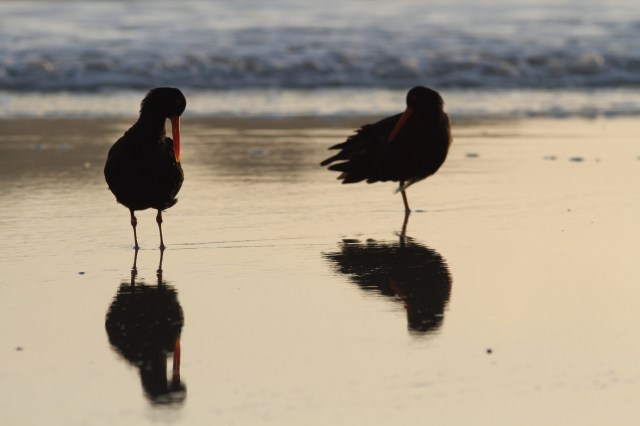
New Zealand’s Oystercatcher’s and Shags


Two of my favorite varieties of birds that I’ve come across in New Zealand are the Oystercatchers and the shags. This is a brief sampling of them.

This slideshow requires JavaScript.

Posted in birds, documentary, nature photography, New Zealand, photography, wildlife photography | Tagged , , , , , , | Leave a comment

New Zealand Visions: Northland and Back


We've had some storms which have lead to magnificent sunrises

This is just a brief intro to all we’ve seen on the journey from Auckland to Cape Reinga at the northern tip of New Zealand. It is by no means a complete representation of the journey, or New Zealand itself. A book of images wouldn’t be enough for such, as it is a rich land full of life and character. Instead, view these snapshots as a snapshot of the journey.

Enjoy,

Galen

This slideshow requires JavaScript.

Posted in birds, documentary, landscapes, nature photography, New Zealand, Photo Essay, photography, portraits, road side, weather | Tagged , , , , , , , , , , , , , , , , , , | Leave a comment

New Zealand’s Red-Billed Gull: Feeding on 90 Mile Beach


The Red-billed Gull is one of those ubiquitous birds here in New Zealand, but as such it is a good bird for providing a study in their habits. This short video shows one of its styles of feeding.

Enjoy,

Galen

Posted in birds, documentary, marine life, nature photography, New Zealand, photography, SLR, video, wildlife photography | Tagged , , , , , , , , , , , , , , | 1 Comment

New Zealand’s Pied Shag: A short video


Here is a very short video of one of the first birds I came across in NZ-

Posted in birds, documentary, marine life, nature photography, New Zealand, photography, SLR, video, wildlife photography | Tagged , , , , , , , , , , , | 1 Comment

Simple tips for kayak photography


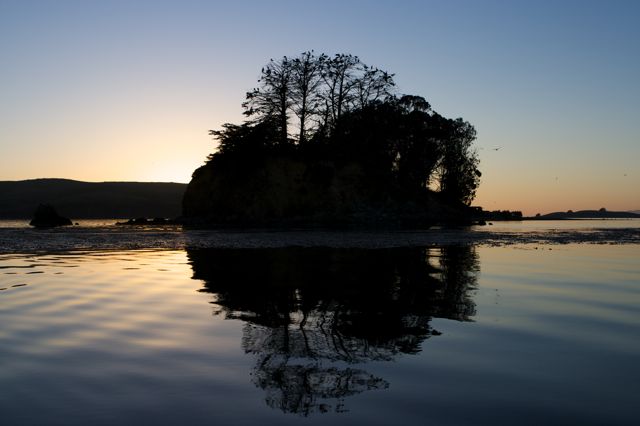
Island at sunset from the middle of the Bay

The first time I brought my camera on my kayak with me, I was a nervous wreck. I was worried about getting my camera wet, dropping it in the water, dumping myself in the water AND getting the shots I wanted.

Yes, taking pictures from a kayak can be a worrisome task, but there are a few steps a person can take to relieve some of that tension so that she is able to enjoy her trip to the fullest.

Decide how you want to keep your camera safe, when it is not in use- an underwater housing, a dry bag, a hard case with built in o-ring (like Pelican cases,) or a simple zippered plastic bag (like a ziploc. )They all have their pros and cons, which I will be addressing in an upcoming blog. (I myself generally use a dry bag, because it fits my style.)

There are a few things you can take care of, before you ever set foot in your kayak. First, know your camera and your equipment before you head out on that river, lake or bay. It can be tricky enough figuring out all the settings while hanging out on dry land, it’s more difficult when you are bobbing around, or having to watch where you are going.

Plan your early outings (at least to a small degree.). Your first kayak trip, start out simple. Put the camera into the more automatic modes. As you get more familiar with kayaking with a camera, you can get a little more creative with your settings, but at first keep things as simple as possible.

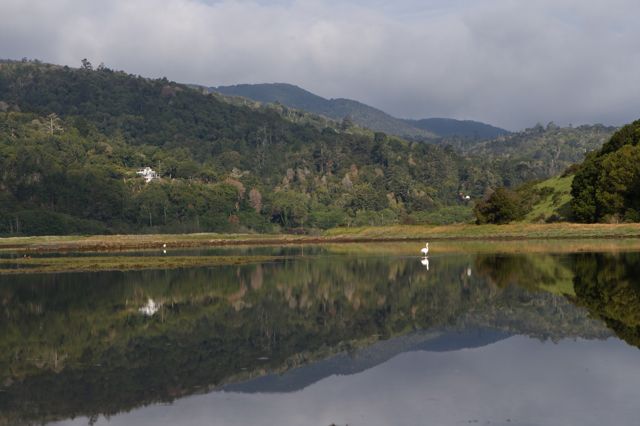
Egret fishing in mudflats. The nearest land is over 30m away

Once you are underway, be aware of water droplets on the lens of the camera or the front glass of an underwater housing. These can easily confuse a camera’s autofocus. If you don’t notice a drop of water, there’s a pretty good chance you’ll go home with blurred pictures.

Go for a slightly larger memory card than you normally would. While paddling in a kayak you may find it is a slightly trickier place to switch from a full memory card to your spare. And if you drop that full memory card over the side…

Be careful of setting your equipment in the lowest part of the boat. That is where the water will collect. Bring along a pad or small cooler to set things in or on, just to lift them up an extra inch or two to keep them out of the water.

Make sure you are not worried about the safety of your camera equipment. Start with a cheap camera instead of that $1,200 SLR with the $1,500 lens. Once you are confident in your abilities and believe you can keep your camera safe, then bring it out. If you’re worried about it, you will not have as much fun, and paddling, above all, is about enjoying yourself.

A kayak can be a great place to take pictures from. I’ve included some images I’ve taken from my own kayak.

For tips on how to protect your point and shoot camera while kayaking, read this

For tips on protecting your digital SLR while kayaking, read this

Happy paddling

-Galen

Drifting in the stillness of restored wetlands

Posted in How To, kayak photography, landscapes, nature photography, photography, safety, wildlife photography | Tagged , , , , , , , , | 31 Comments

Some of New Zealand’s birds


I’ve been in New Zealand for almost a week now. I knew I wanted to see and photograph birds, and I have definitely been able to do so. Some of the birds have been a little more challenging than expected, while others have been much easier. And while many are new and exciting, some have been much less exotic than I had guessed.

Part of the Auckland Airport's flock of English Sparrows that can be found in and around the food court areas

We saw our first bird while we were still in Auckland’s airport… English Sparrows (known as House sparrows here in NZ).

Thankfully this was soon followed by more interesting birds that I had never seen before, such as the Pied Shag and the Variable Oystercatcher. Each day has shown new birds, some of them expected, some of them new, and some of them not… such as the day we saw a pigeon that thought it was a shorebird pecking through the kelp on the beach. Serious identity problems, but fun to see in this new incarnation.

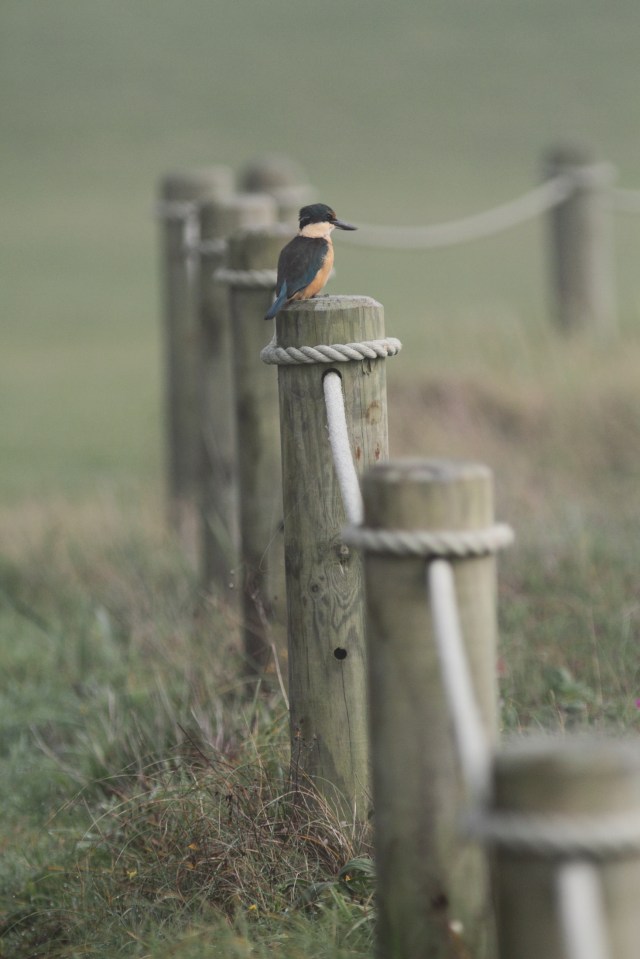
Love the Kingfishers. They are everywhere.

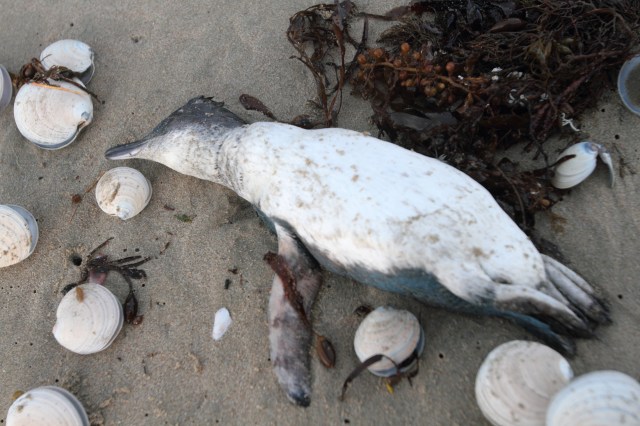
The Weka, a rare bird on the North Island (the focus of our travels) has been a delight, but almost equally delightful have been the more common birds such as the fantail, the Tui, and the Red-legged Gull. Some we have our own names for, some we use the terms the Kiwis use. Each however is an adventure, though not all are glorious… Such as the Blue Penguin we found dead on Orewa Beach. It is the smallest of the worlds penguins, and looks even smaller in death.

Our first and only penguin so far- a Blue- sadly however, it was dead

Here is a small sampling of what we have come across, including the quick footed and flightless Weka.

This slideshow requires JavaScript.

Posted in birds, nature photography, Photo Essay, photography, portraits, wildlife photography | Tagged , , , , , , , , , , , , , , | Leave a comment

Abbotts Lagoon Restoration Project


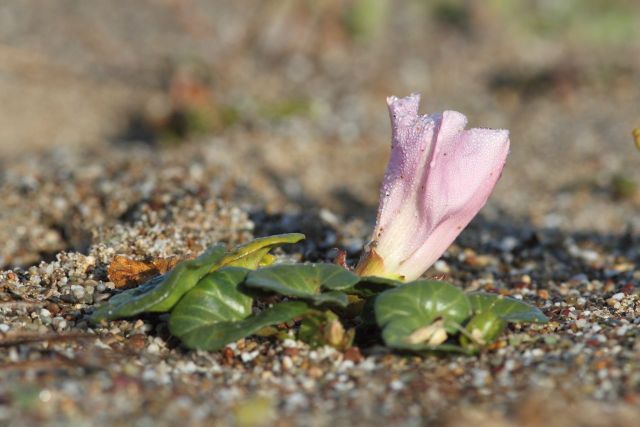
Beach Morning Glory covered in dew. A plant native to the dunes, and specially adapted for them

The Point Reyes National Seashore is restoring hundreds of acres of coastal sand dunes that are home to many threatened and endangered species. This project is taking place on Ten Mile Beach, largely in the Abbotts Lagoon area.

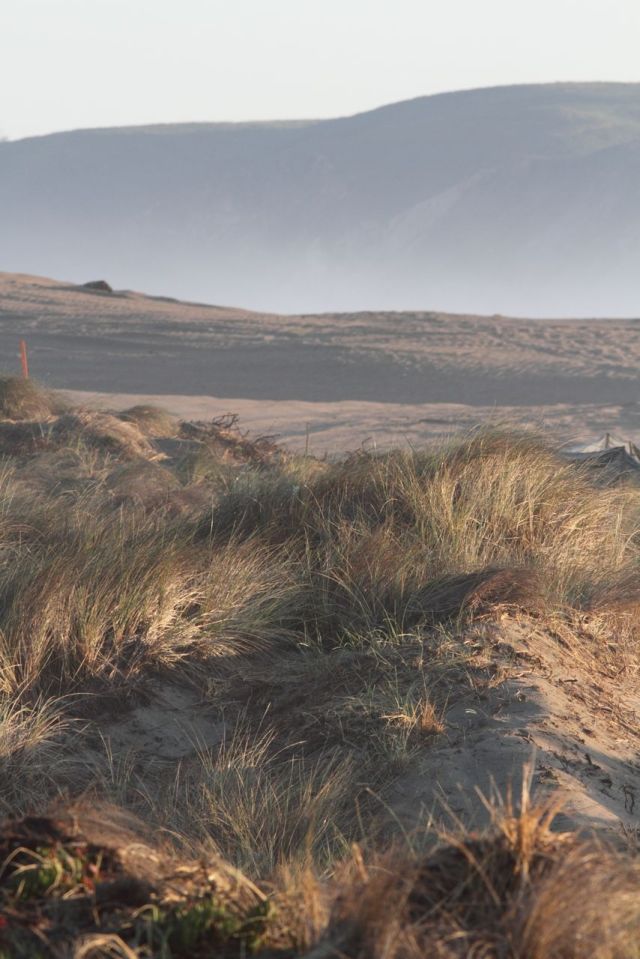
European Beach Grass with dunes that have been cleaned in the background

I’ve been out there documenting what is happening, what it was, and what it will be. These images are for use by the park and for my own edification. It is a beautiful area that is threatened by two main invasive plants- European Beach Grass and South African Ice-plant.

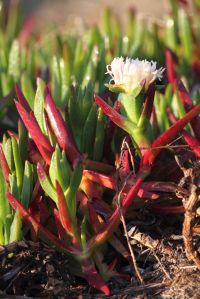
South African Ice-plant. A non-native invasive species that crowds out natives

The restoral of the  dunes is a fairly involved process, as it is necessary to bury the invasives under at least three feet of clean sand (the smallest piece of root can grow a new plant, allowing the unwanted species to return.)

The project is further complicated by the fact that it is now nesting season for many birds, whose nests it is illegal to disturb, nit the least of which is the endangered Western Snowy Plover.

I visited the restoration area this past Sunday with one of the naturalist/biologists from Avocet Research and helped with a nesting survey. In addition to the areas where we found nests, we also came across two endangered Red-legged Frogs in vernal pools. Just because we were surveying for one thing, it didn’t stop us from recording and enjoying the presence of another.

Enjoy the images from this outing,

Galen

This slideshow requires JavaScript.

Posted in birds, landscapes, My favorite Parks, nature photography, Photo Essay, photography, wildlife photography | Tagged , , , , , , , , , , , , , , , | Leave a comment

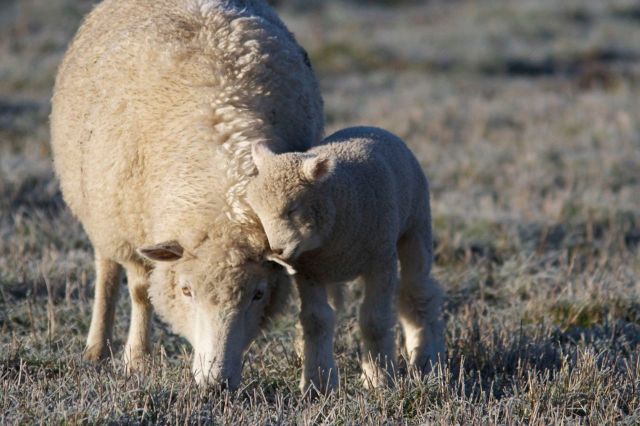
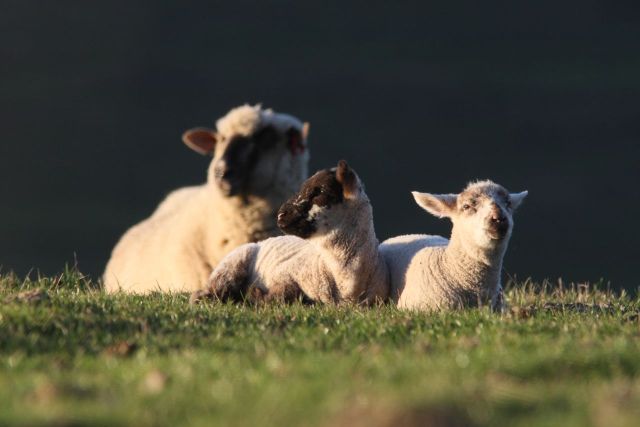
Lambs of Tomales


I live in ranch country. Most every hill is dotted with cows or sheep (and the occasional goat.) In the winter, usually around mid-December, lambs are born. This often continues into January, and over the months the lambs get older, bigger, and more rambunctious. They are a delight to watch.

As I pack for tomorrow, when I will be flying out to New Zealand where the sheep out number the people by ten to one (40 million sheep, 4 million people) I thought it fitting to share with all of you some images of the sheep near where I live, in Tomales, California.

Enjoy,

Galen

This slideshow requires JavaScript.

Posted in documentary, Photo Essay, photography, portraits, road side, ruminating | Tagged , , , , , , , , , , , , , , , , , , , , | 2 Comments