Photo essay: Clammers on Tomales Bay: Part II


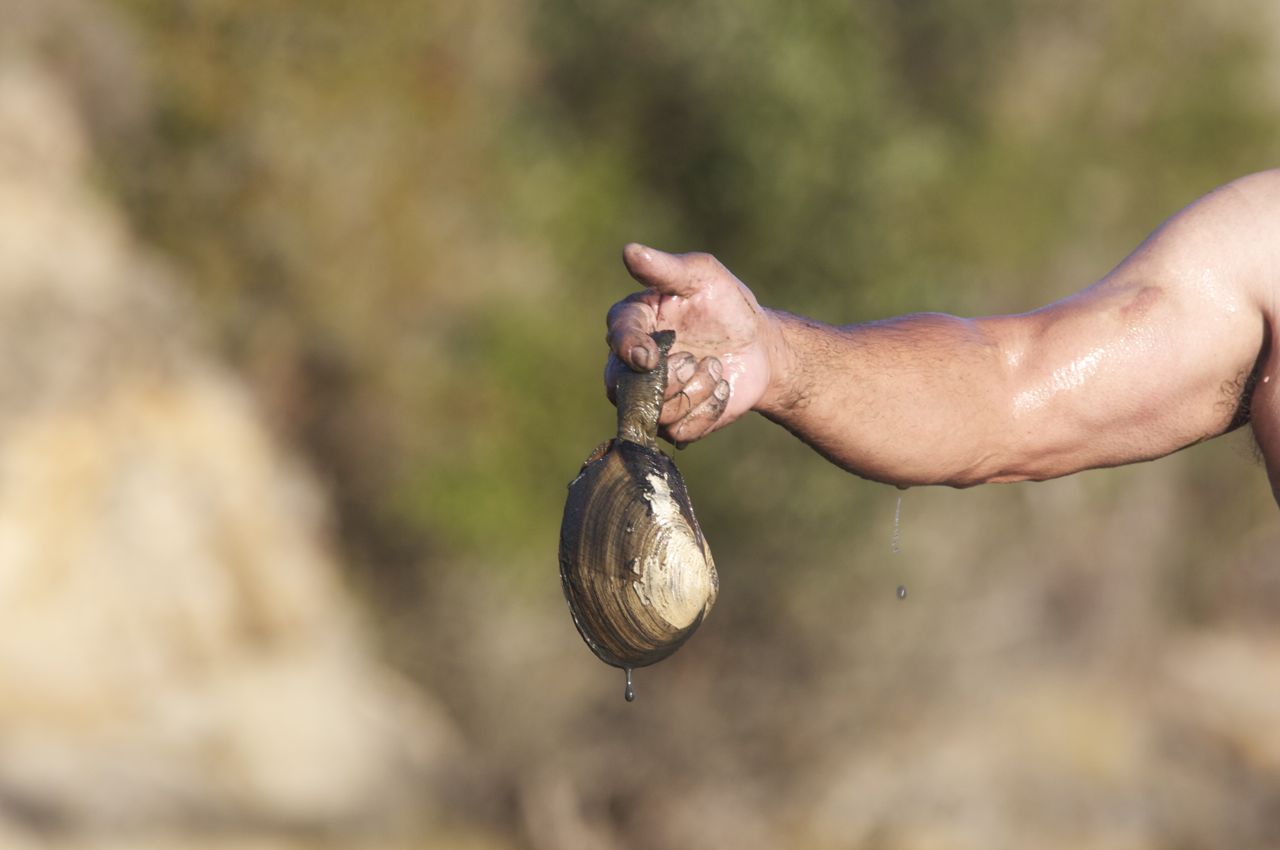
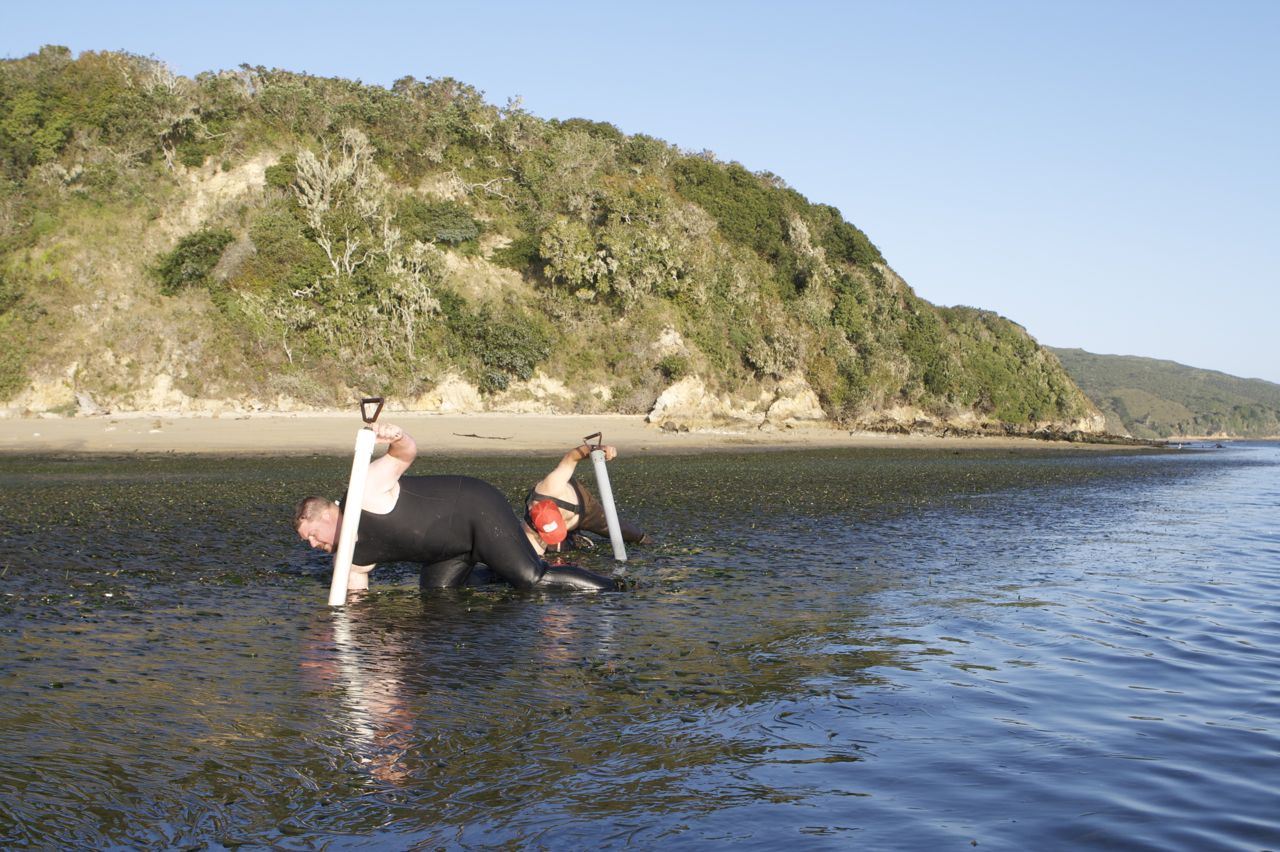
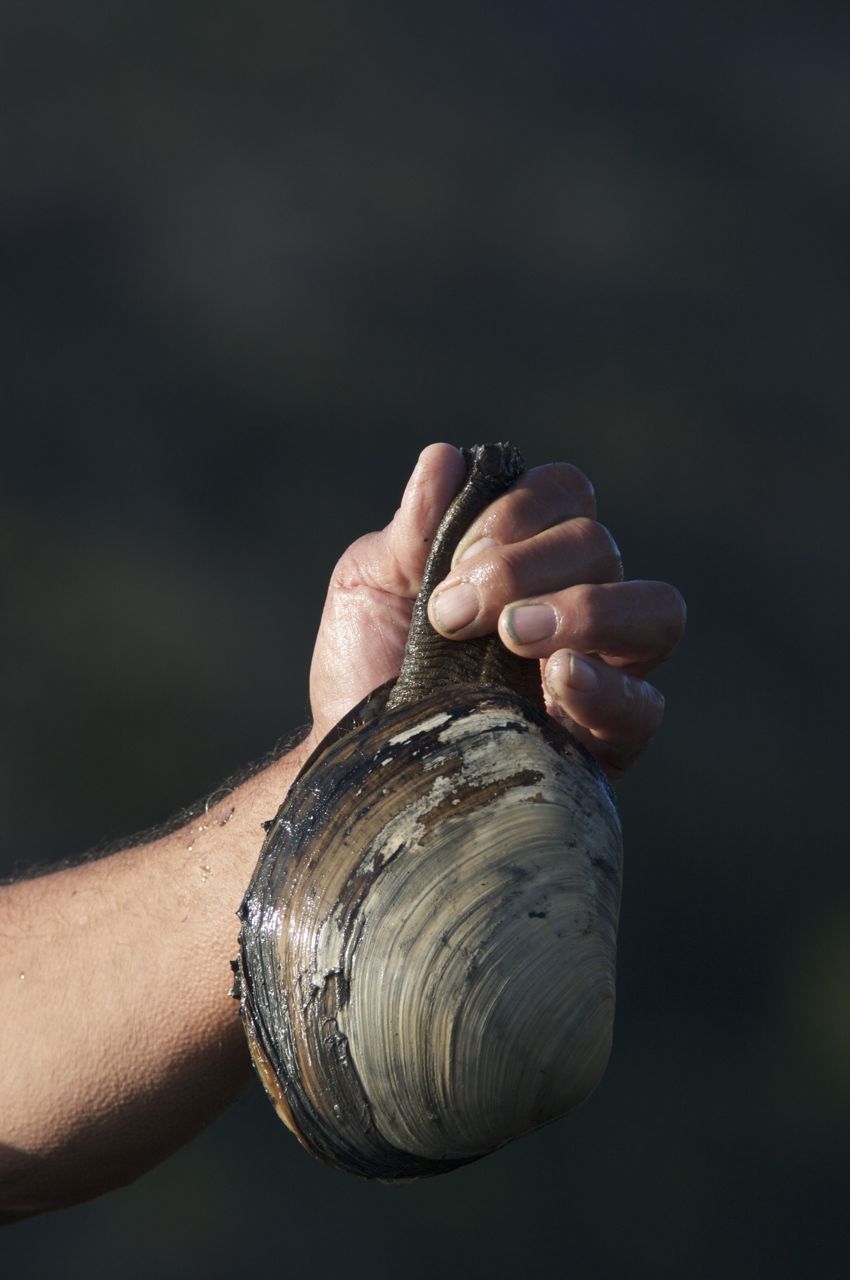
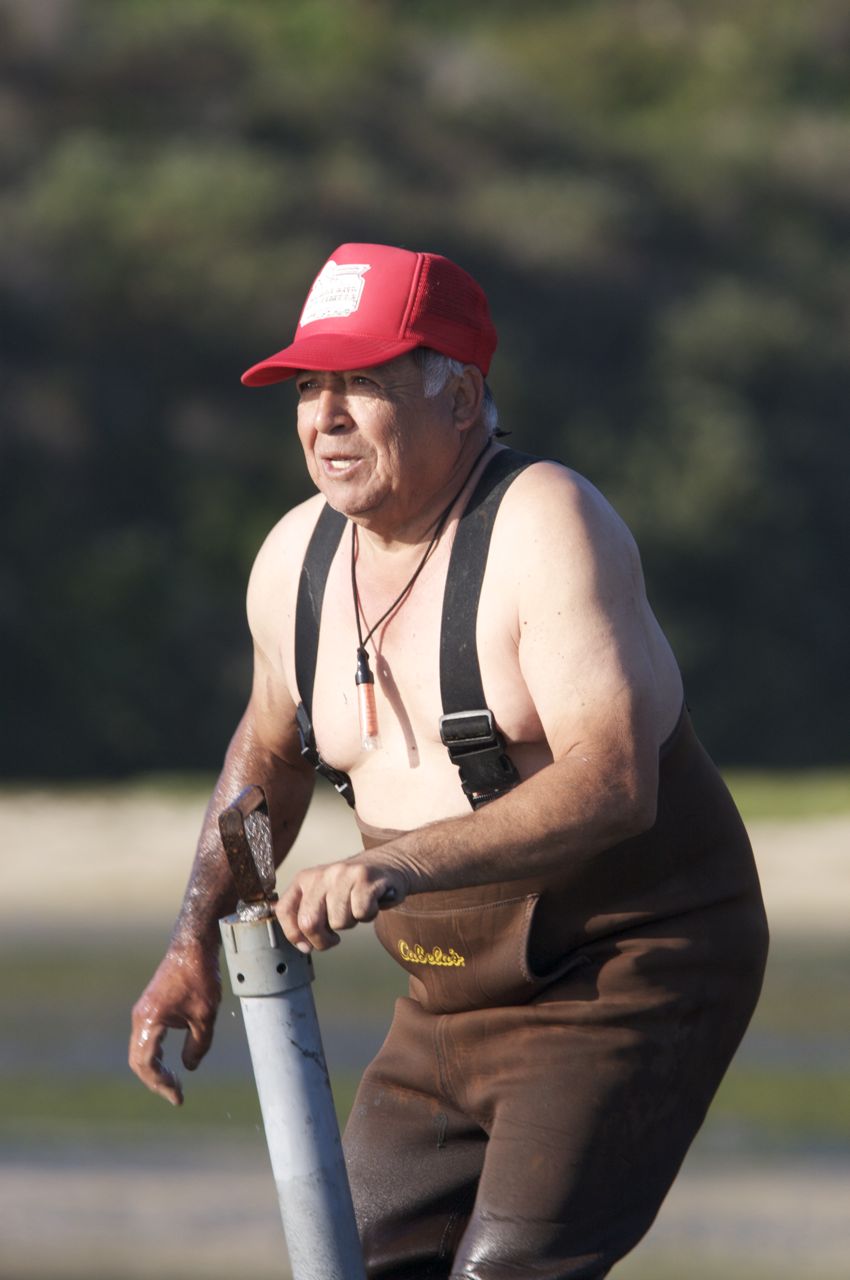
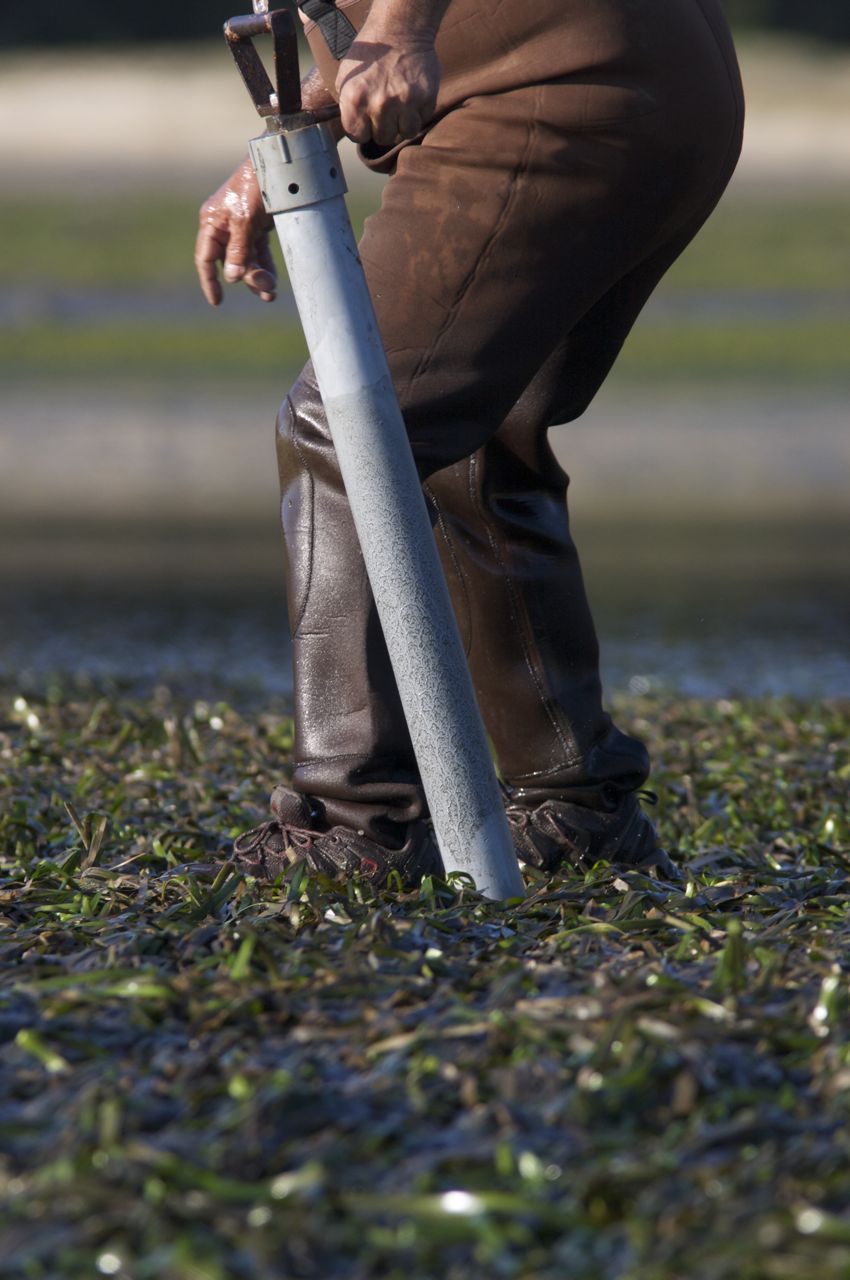
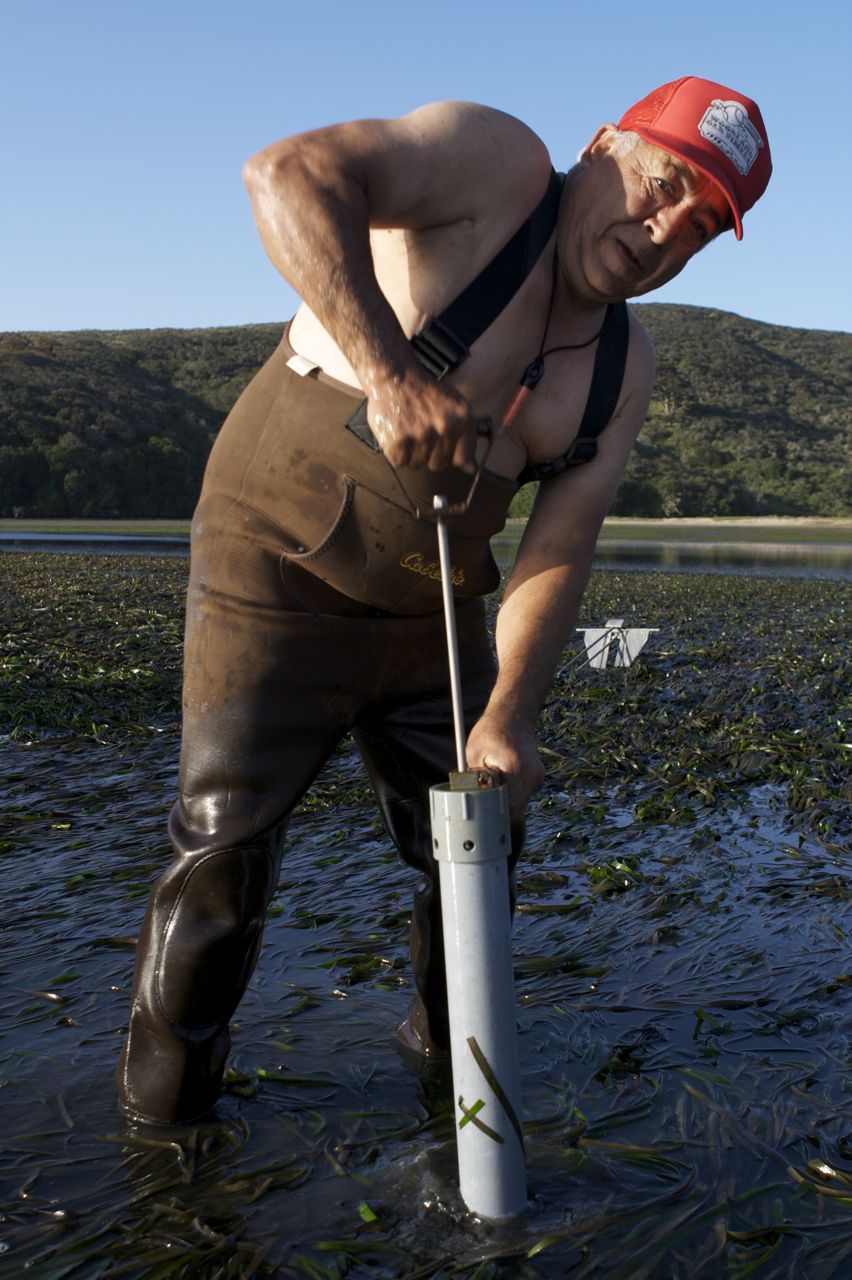
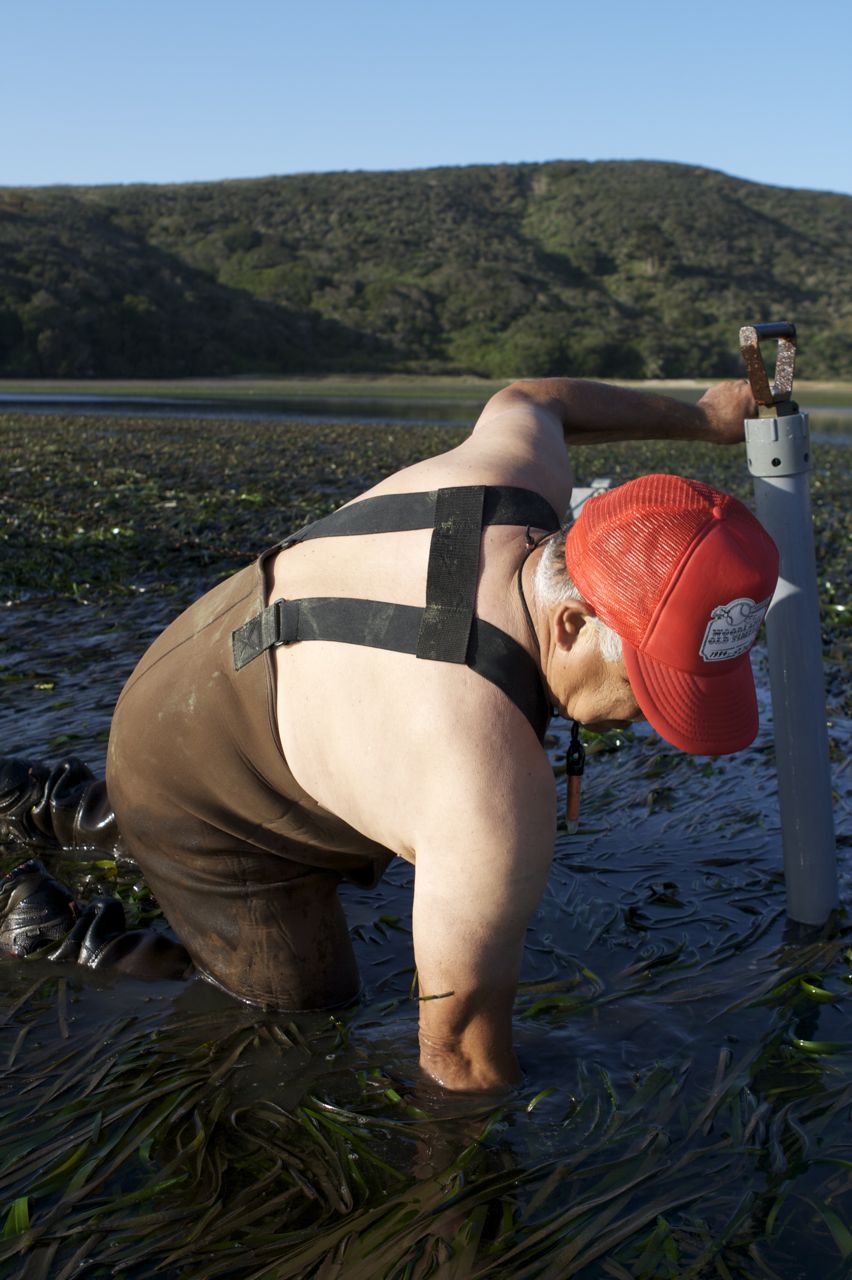
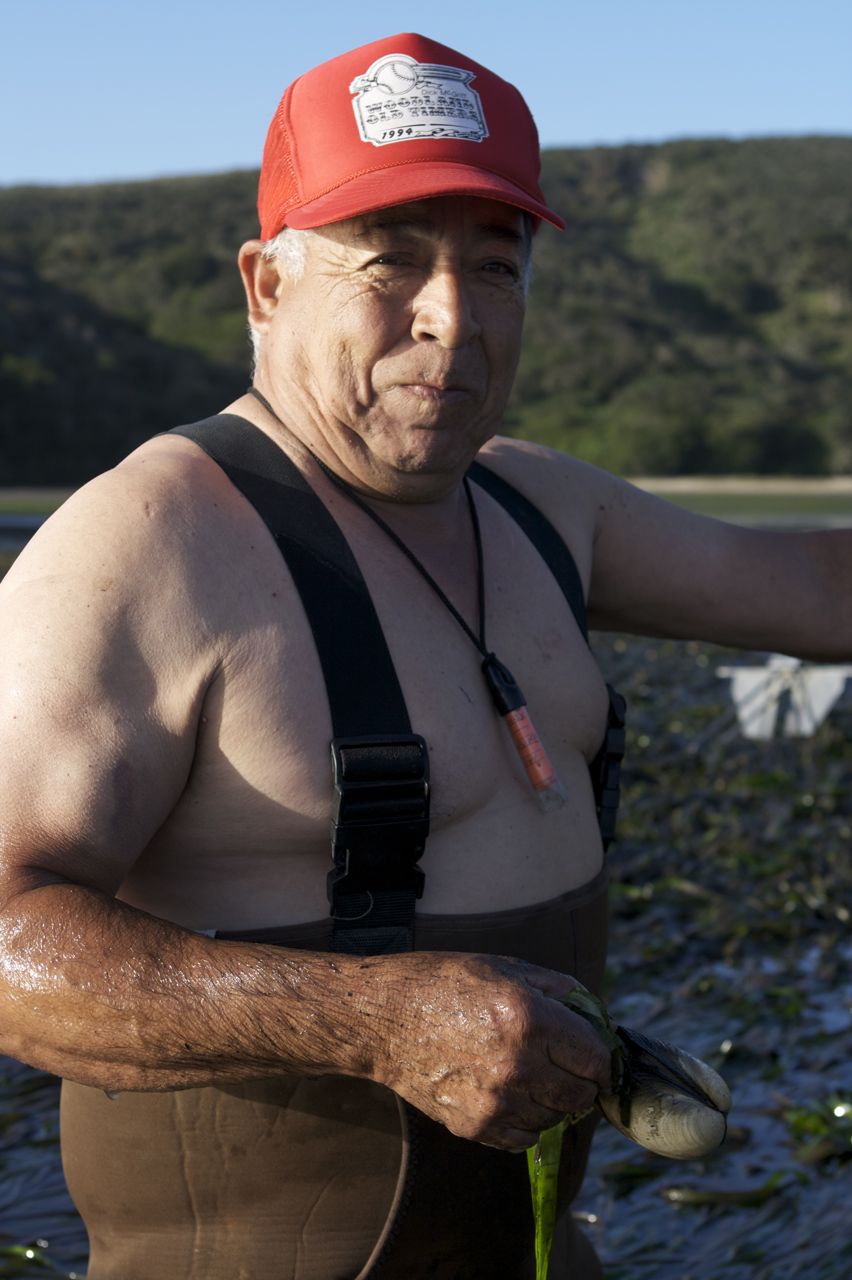
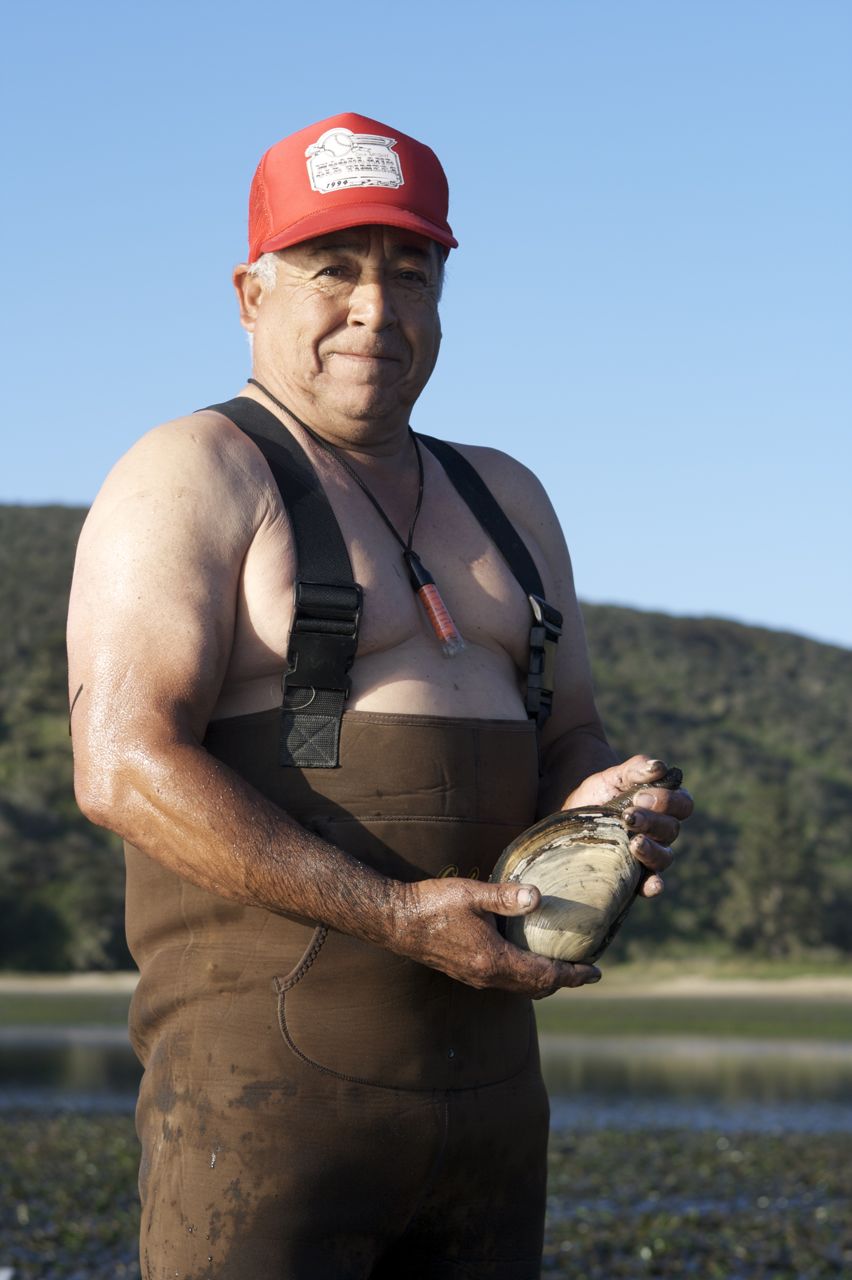
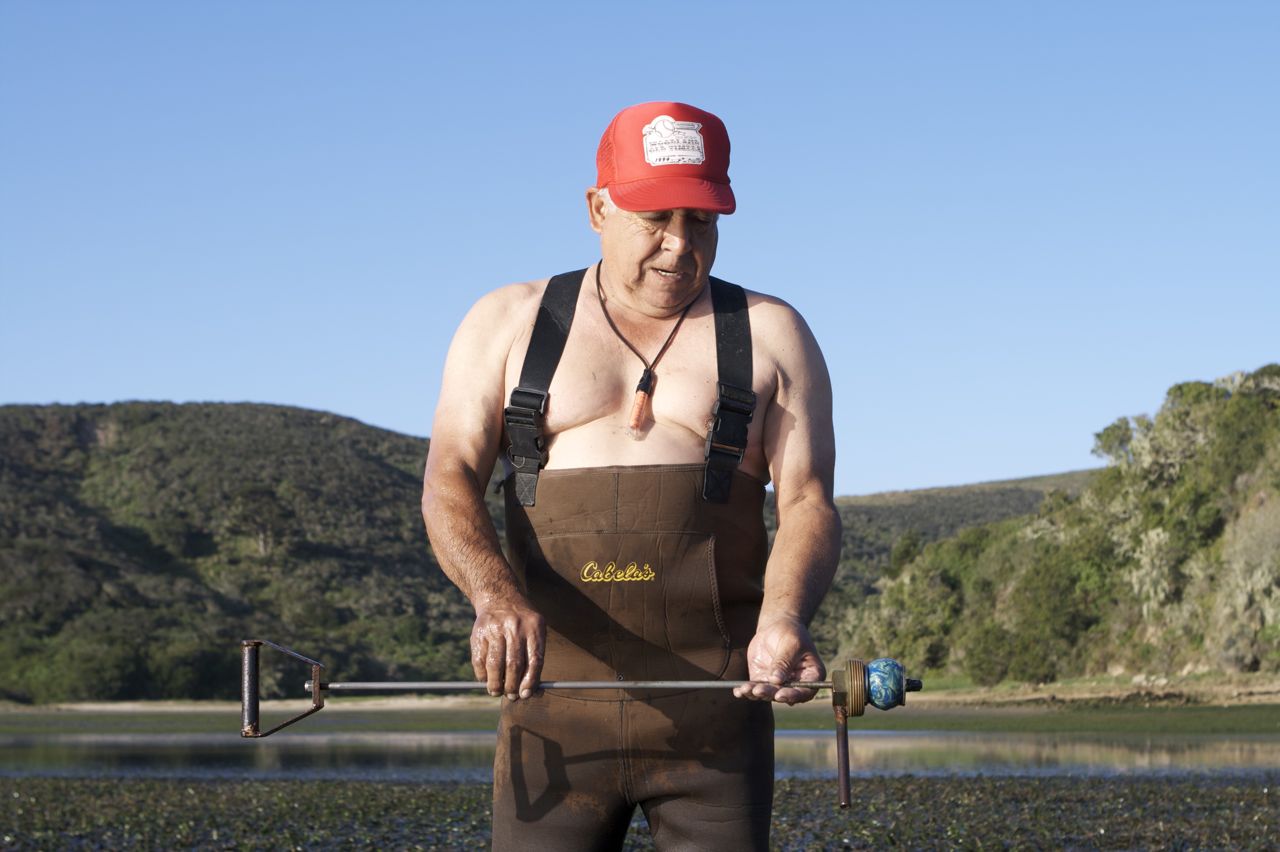
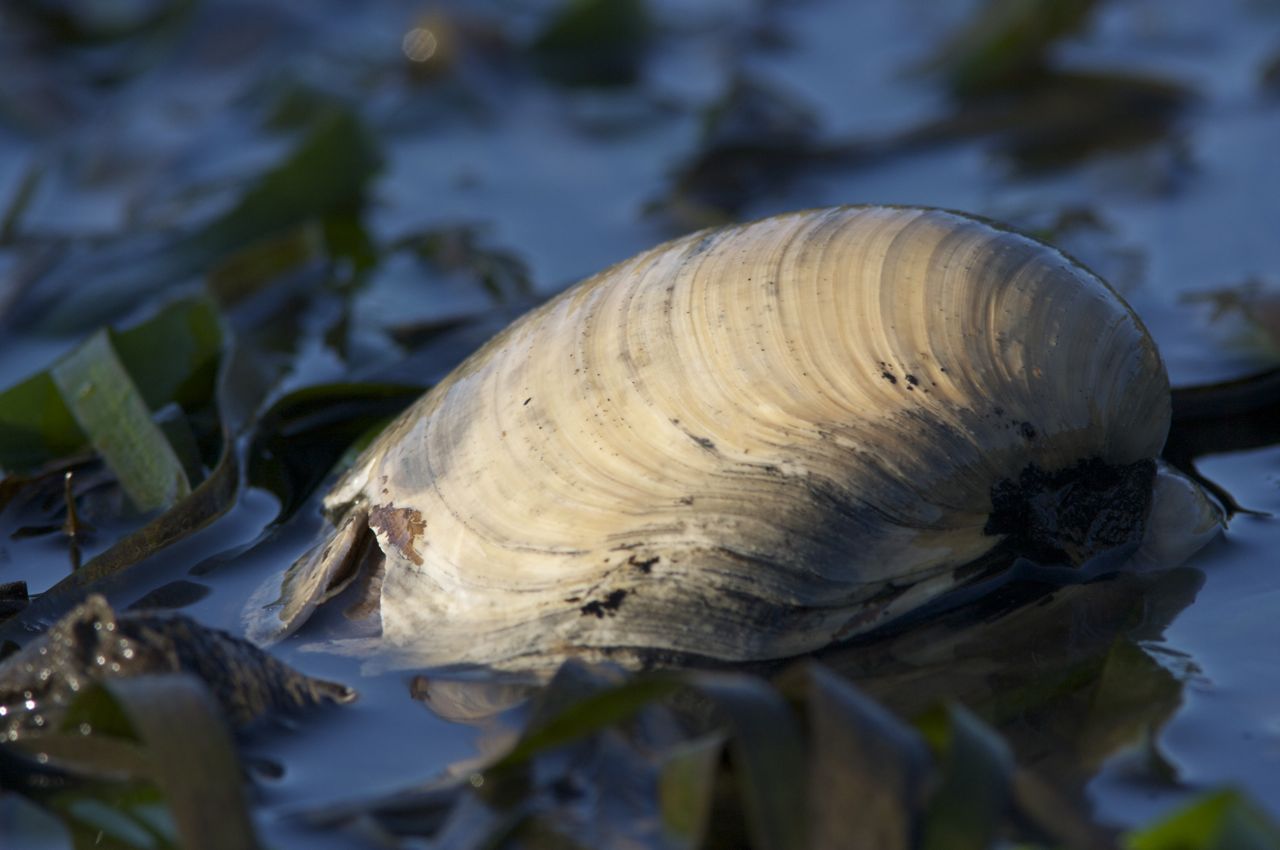
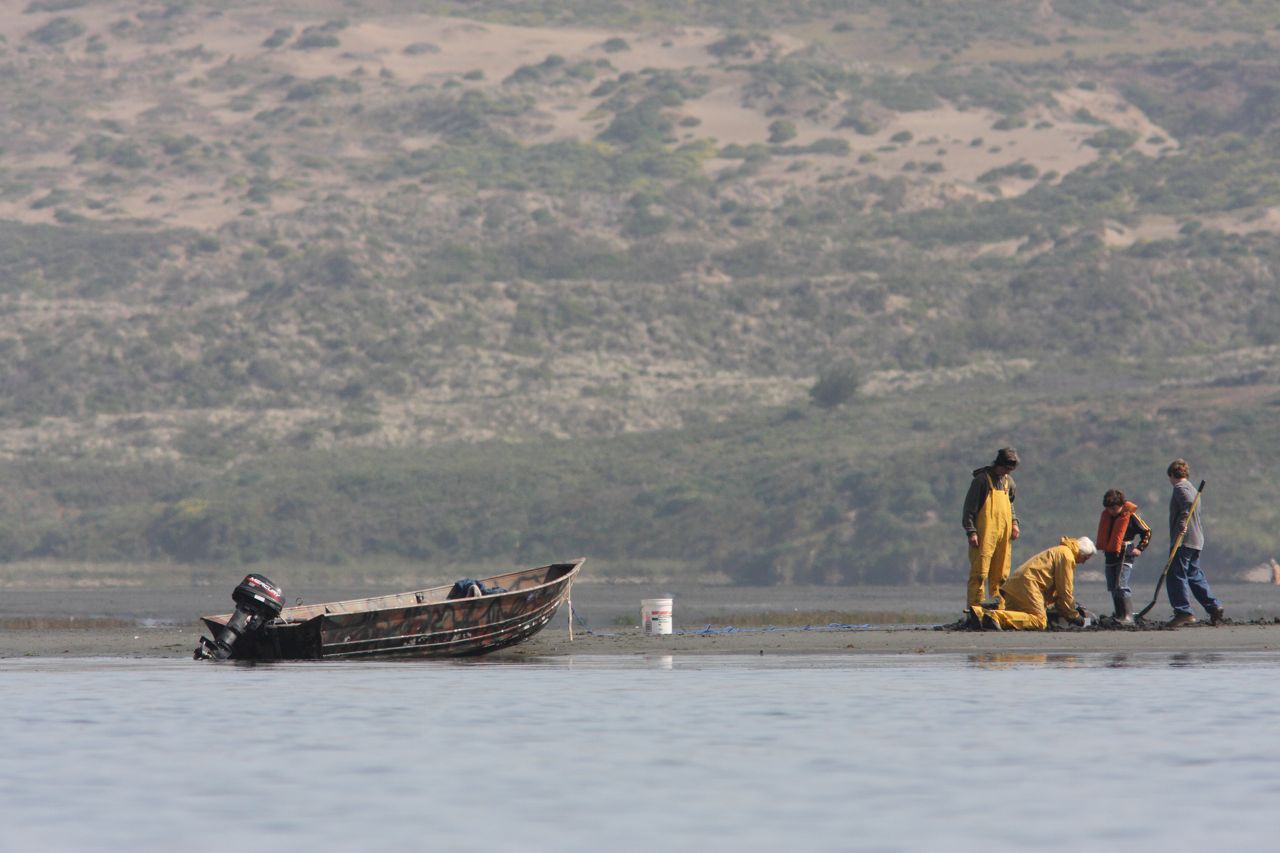
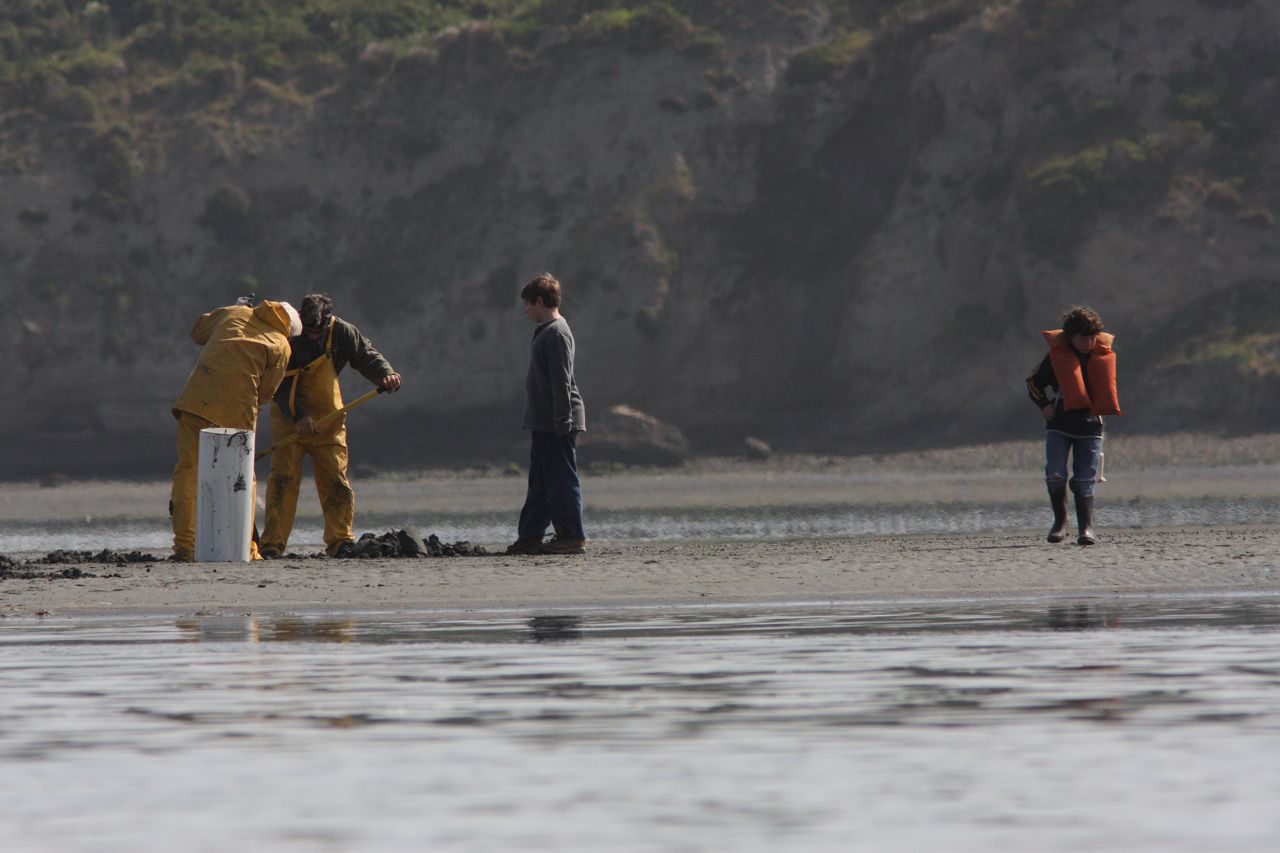
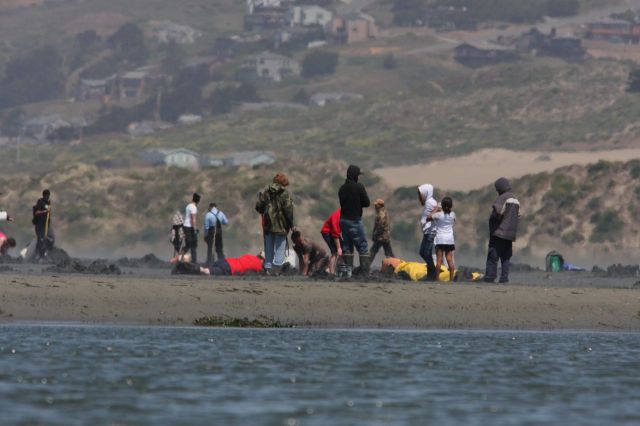
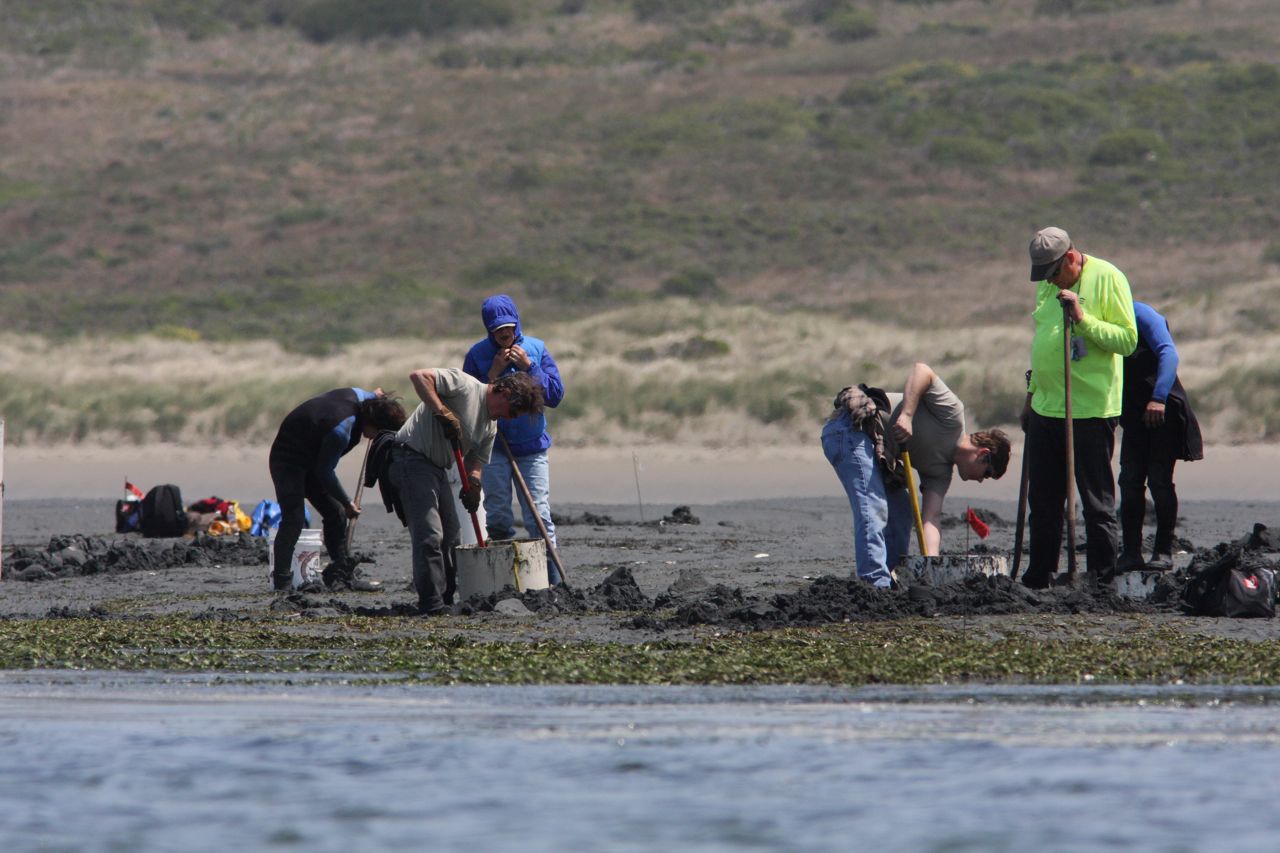
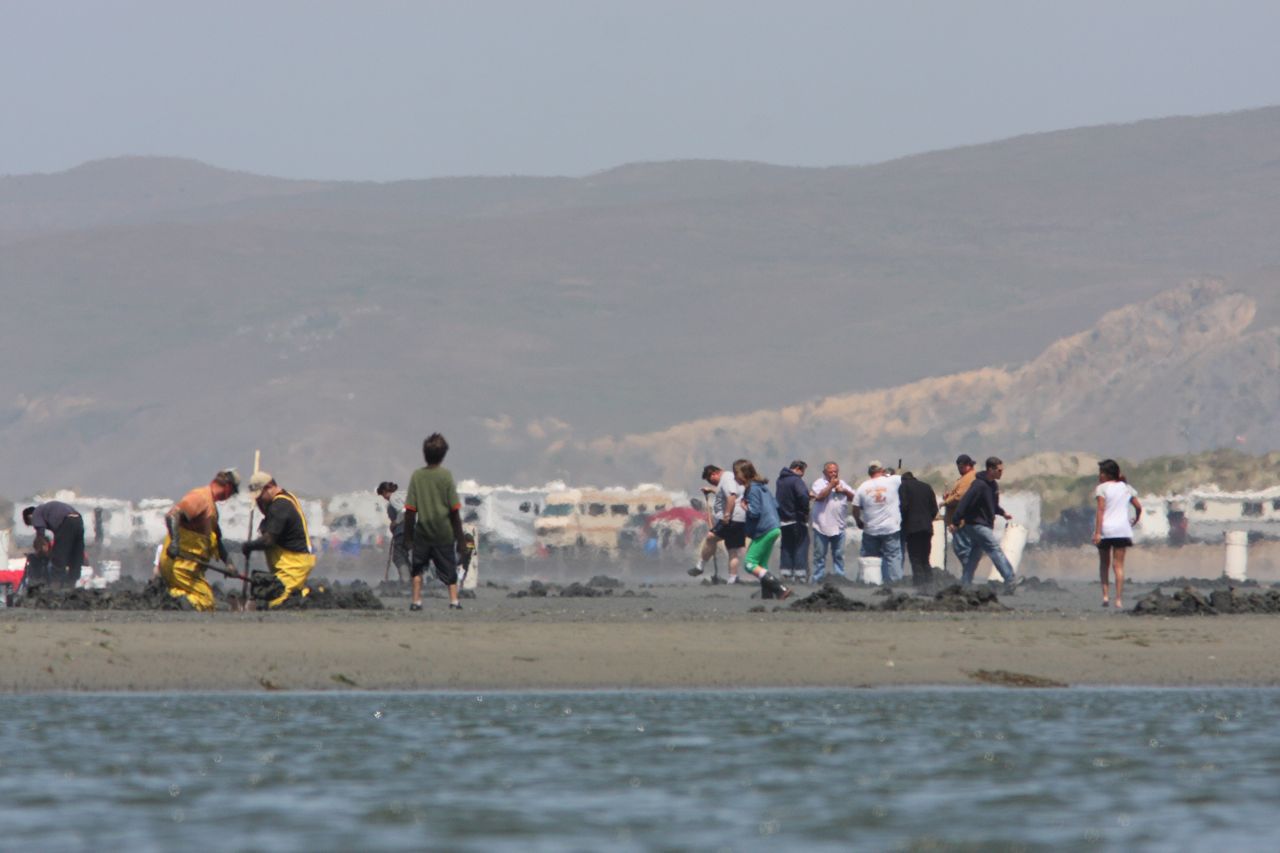
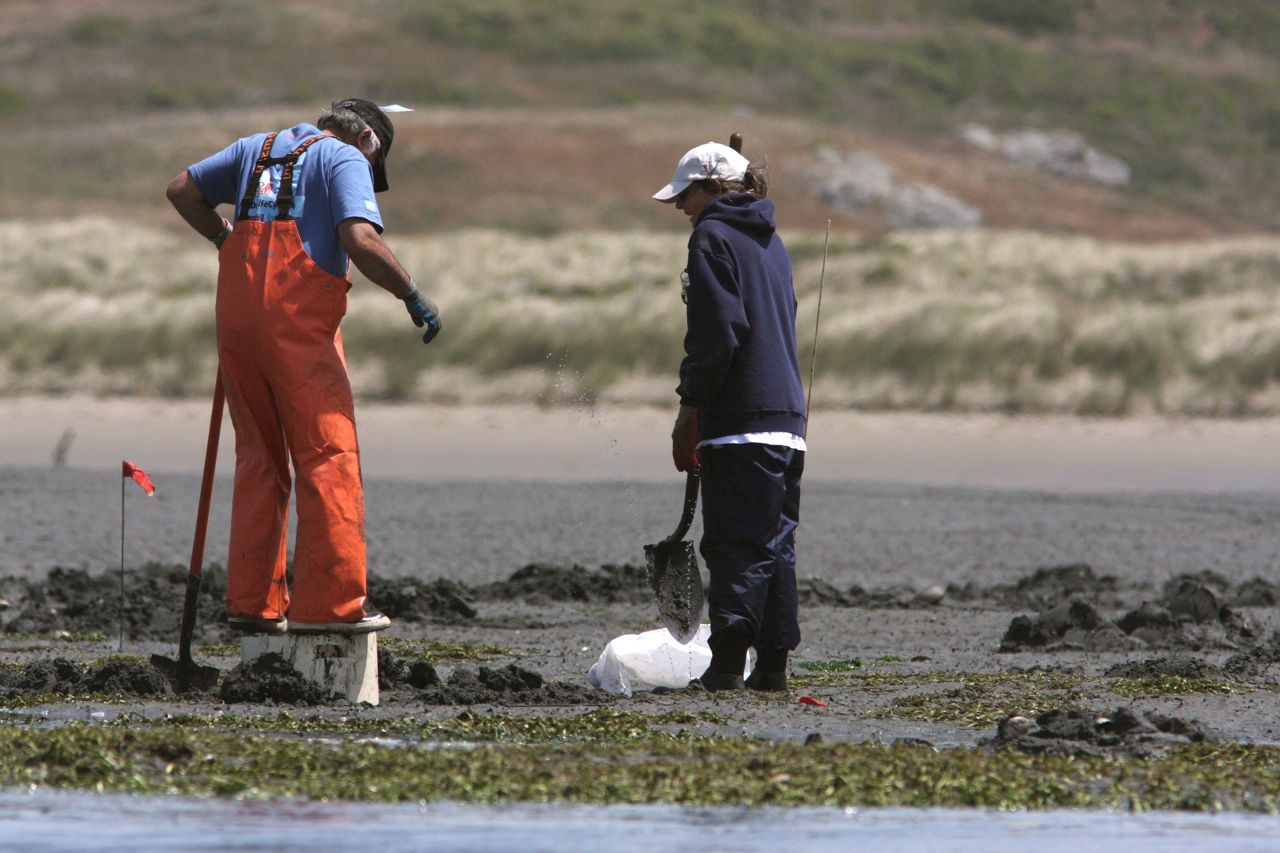
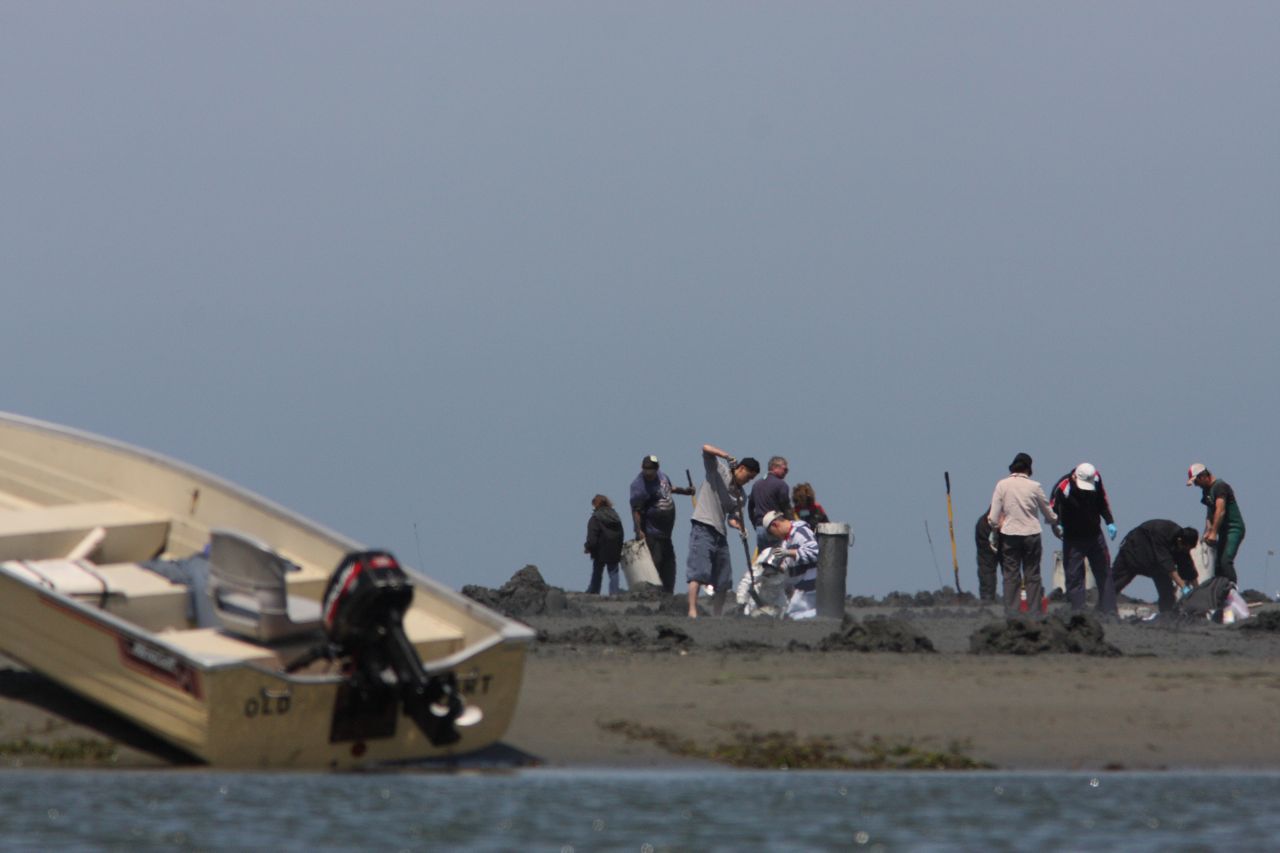
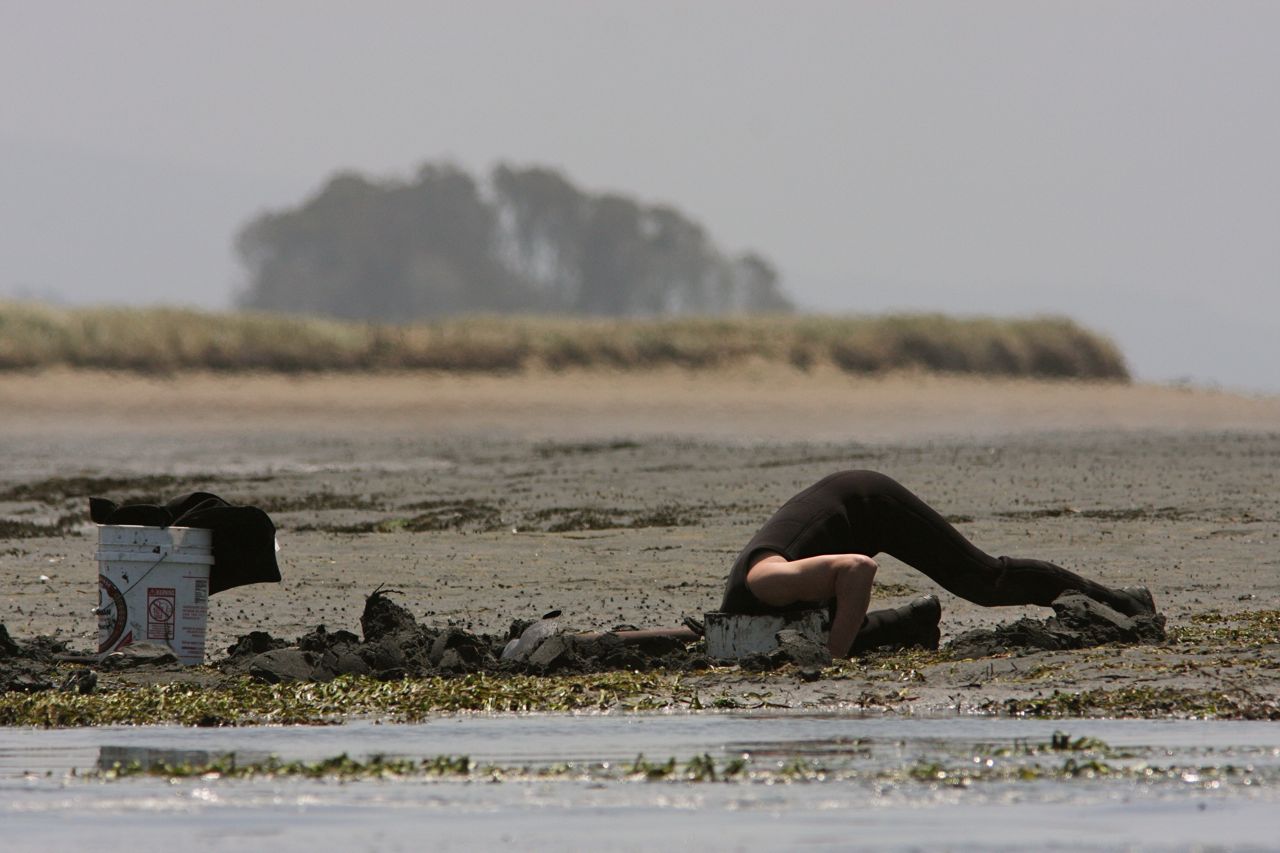
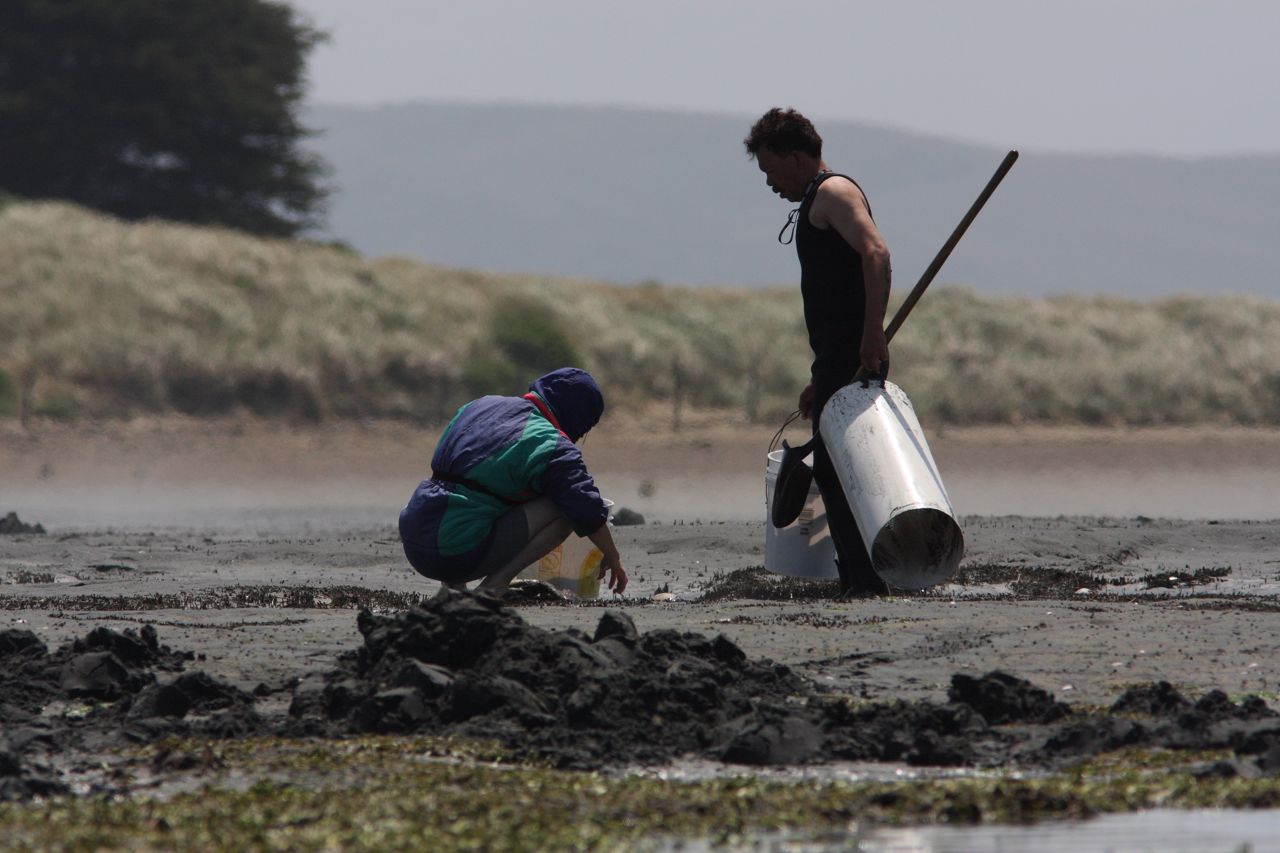
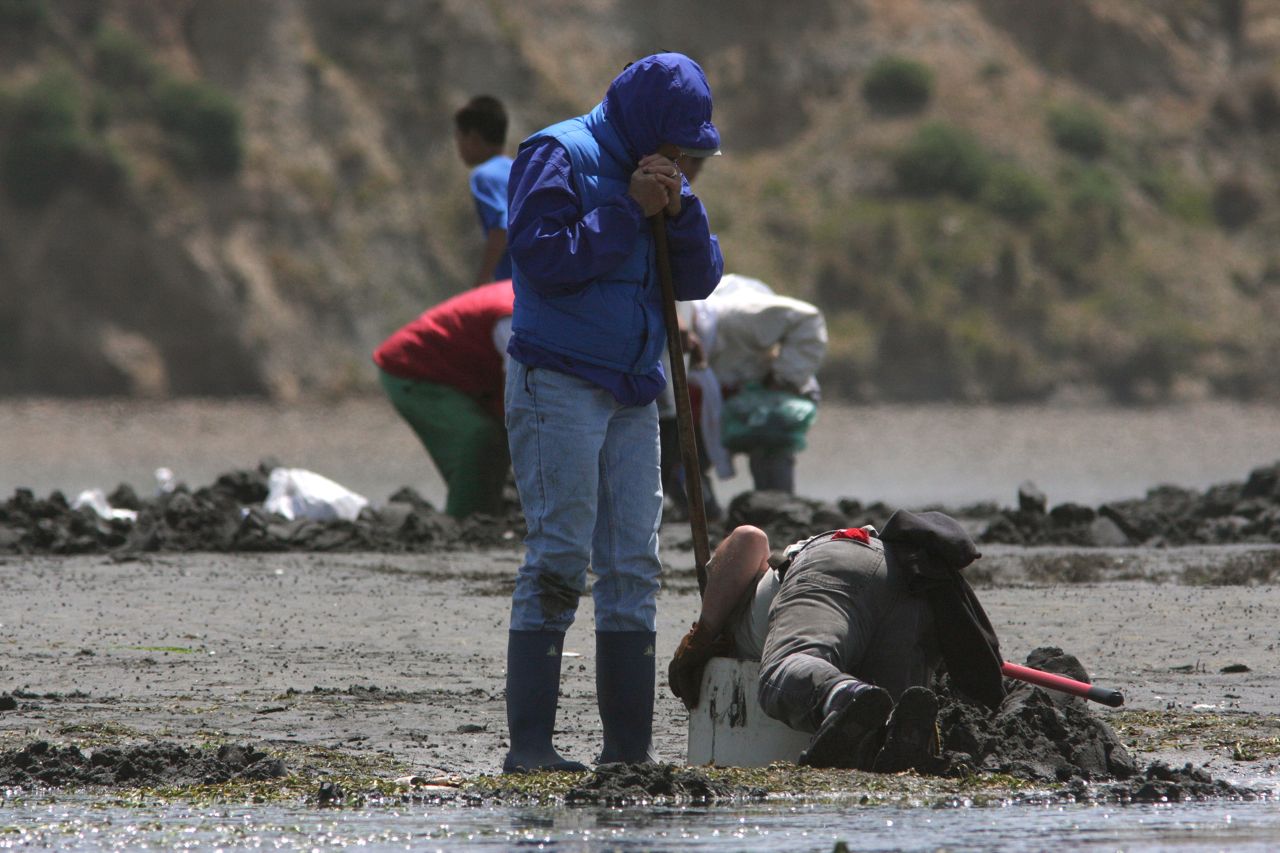
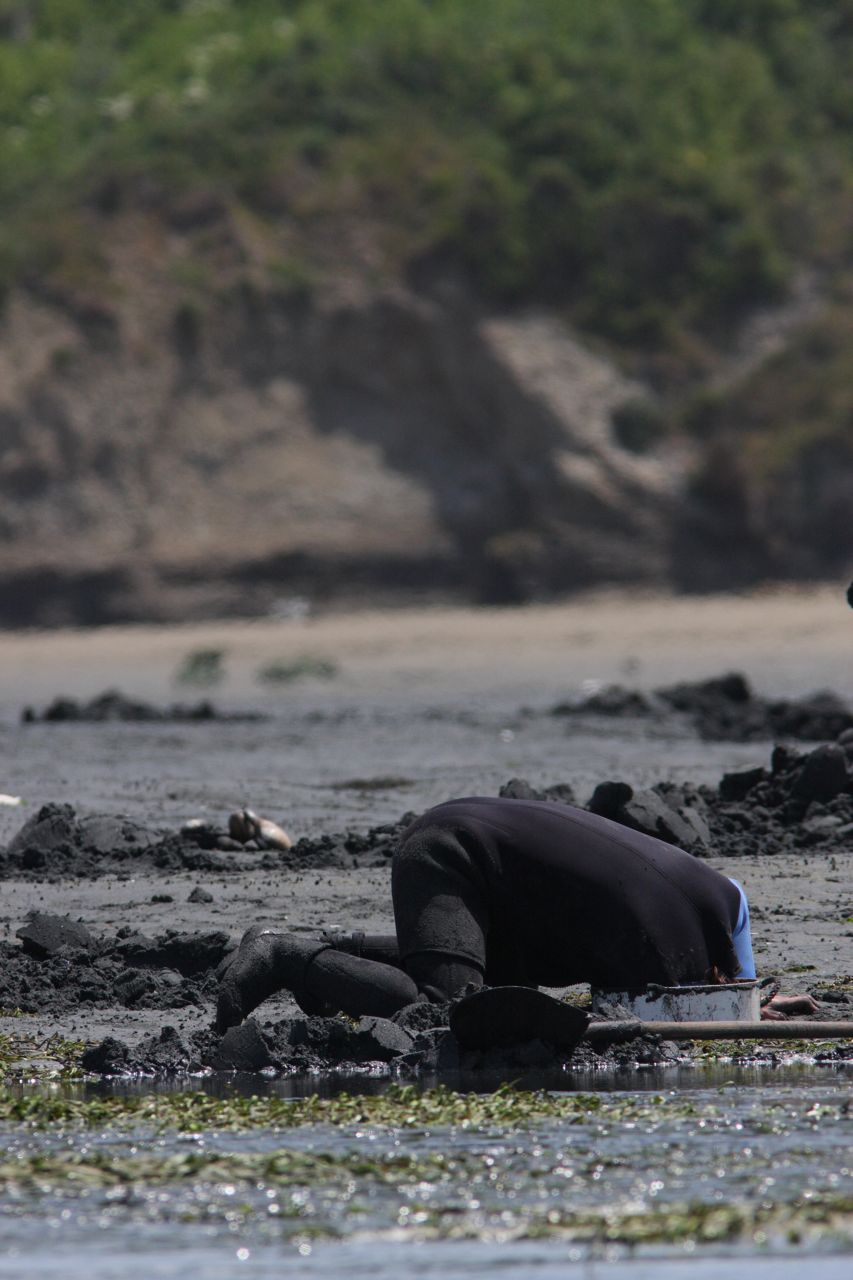
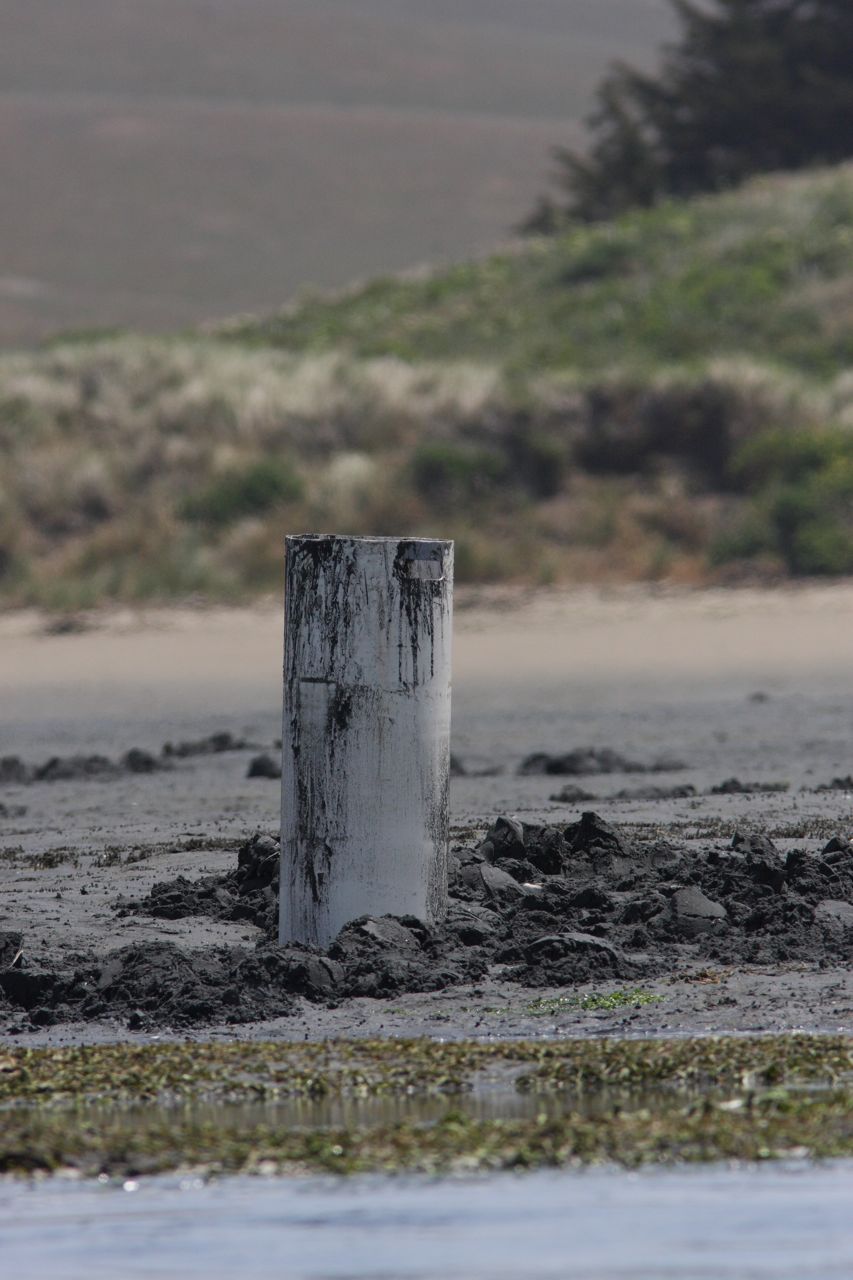
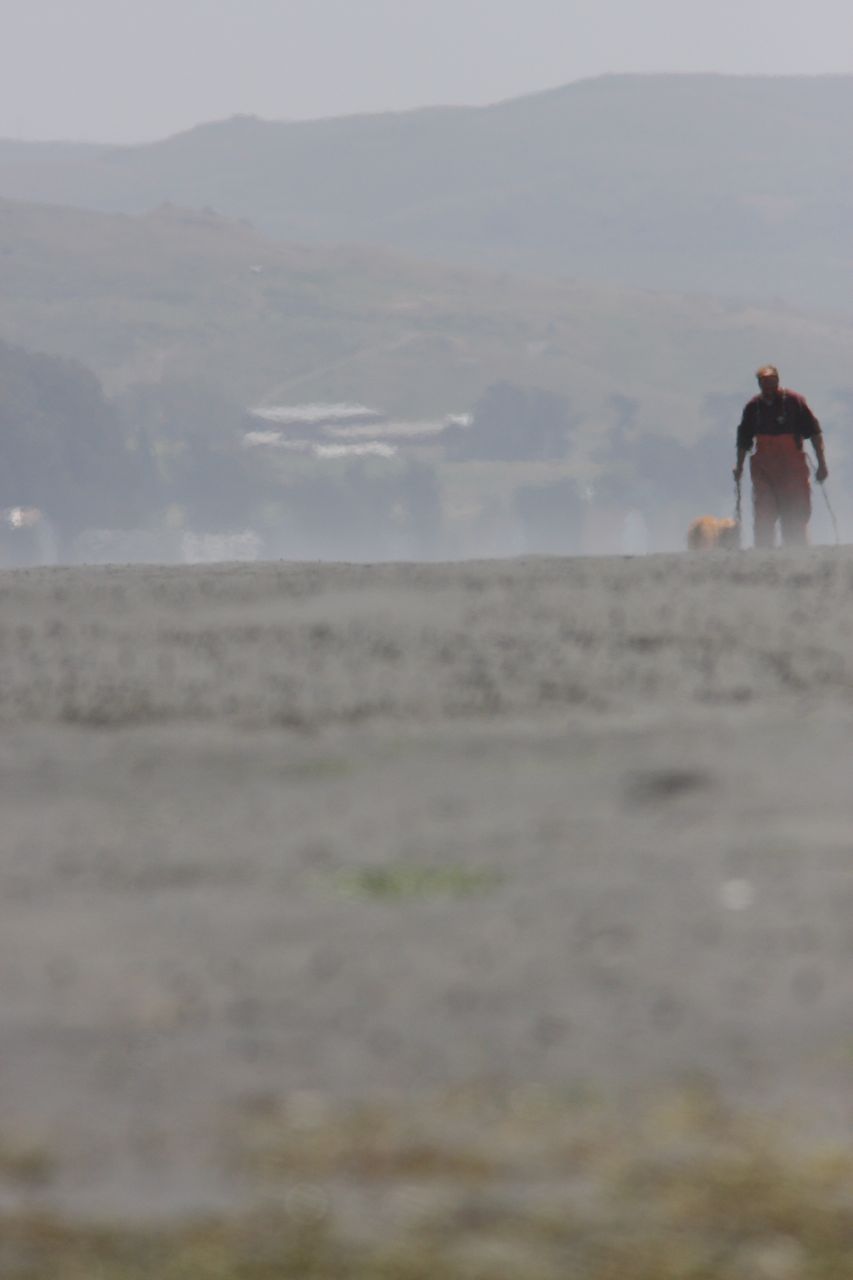
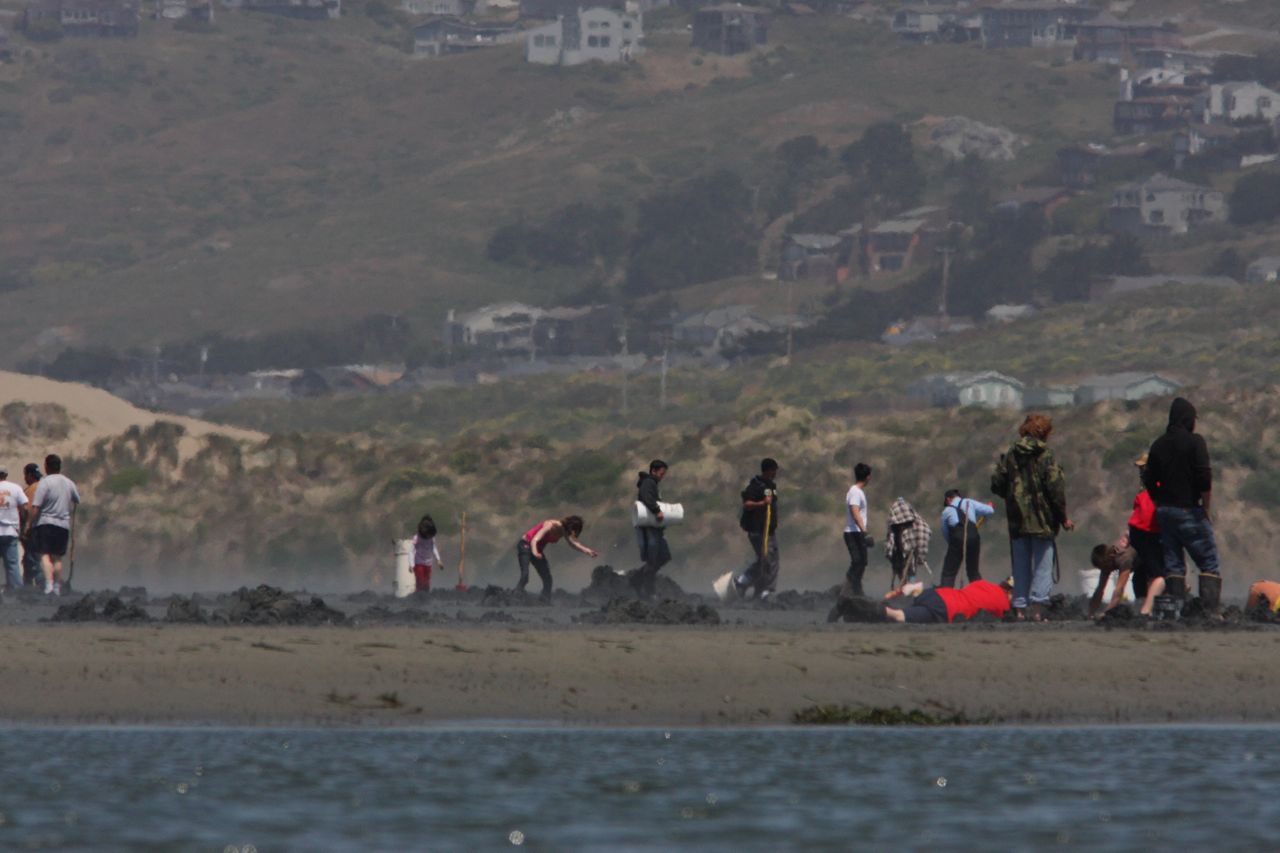
Part 2 in my Tomales Bay clamming series is hi lighted by Eloy Garcia, a man that has been visiting Tomales Bay, California for decades. Eloy’s method of catching his clams differs greatly from the majority of clammers out here. It seems less of an upset to the tidal flats, but harder on the clams as it seems more efficient.

I met Eloy and his friend one morning as I was paddling my kayak around the bay. They intrigued me and promised to be a great subject. This impromptu photo shoot turned out to be one of my favorite series of images I have taken of people.

Enjoy


Posted in documentary, kayak photography, marine life, nature photography, Photo Essay, photography, portraits, SLR | Tagged , , , , , , , , , , , , , , , , , , , , , , , | 3 Comments

Clammers: A photo essay: Part I


I wanted to fool around with the idea of a photo essay, which is essentially a series of pictures with little or no text, but that still tells a story. This is Part I, and it is images of people clamming on Tomales Bay. I will see if the photos do the talking.

Enjoy,

Galen

Posted in documentary, kayak photography, landscapes, marine life, nature photography, Photo Essay, photography, portraits, SLR | Tagged , , , , , , , , , , , , , , , , , , , , , , , , , , , , , , , | Leave a comment

Don’t forget to twist your camera


There are times when I get so focused on what I am taking a picture of, I don’t remember that I can simply rotate my camera ninety degrees and I will have a very different image, that will sometimes be better. When I see many hobbyists taking pictures, it seems especially rare for them to play with the orientation of the camera. Most of the images are landscapes with a regular camera, or portrait style with a camera phone (such as the iPhone). They get trapped by their habits and miss an easy way to change how dynamic their photographs are.

This slideshow requires JavaScript.

Rotating the camera can add background or landscape to help define an image, give it a sense of place. It can also be a simple way of removing unwanted features that are in the frame with one orientation of the camera, but not another.

Vertical and horizontal pictures also flow differently from each other. It can be possible for lines in the image to lead the eyes better with a portrait orientation instead of a landscape and vice-versa. If a river cuts through a scene from left to right, maybe a landscape is best. If it recedes into the distance, vertical may be best. There is no hard rule, play around with it. For a little while, with every picture you take, rotate the camera and take a second shot, then compare the two.

Finally, magazines prefer portrait orientations for covers and landscapes for inside two page spreads. If you want to sell for a particular story, offer the magazine options (just not too many options).

Happy shooting

Galen


Posted in How To, landscapes, nature photography, photography, portraits | Tagged , , , , , , , , , , , | 2 Comments

Why I don’t use Photoshop


I don’t know how to use Photoshop anymore, but that is okay- I don’t really feel much of a need for it. Back when I did have it, I only used it for three things: making signs, making business cards, and creating a watermark that I could put on my images.

Most of the fancy post production tricks don’t fit my style of photography- removing unwanted objects from the images, adding that special gleam of light to an animals eye, adding other elements that weren’t there… It just doesn’t fit. I have nothing against Photoshop, but it’s not part of my world view or my photographic view.

I consider myself a documentary photographer. That is, I am documenting the world around me. Be it an animal, a landscape, an event, or a person- I will try to give my most honest interpretation of what I see through the lens, nothing added, nothing taken away. I might pull a few blades of grass that will interfere with my image, but I do that before the shutter clicks.

I do perform some minor manipulation on my computer, but I don’t see the need for fancy software. I may adjust the brightness or my exposure when I get home, if the image was a little light or dark. I may shift the white balance to correct the color more closely to what I saw, but I don’t try to add saturation to the images or shift the color into unreal realms. If I am giving my audience a picture of the natural world, I want it to be close to a real and natural state as possible with a photograph.

I likely do less than what many photographers of old did in the darkroom, but I still perform some processing that can be equated to the wonders created in those chemical dens. It doesn’t mean I am more or less of a photographer than those who Photoshop, it just means I am less of a Photoshoper.

I have no problem with people getting creative with their pictures, creating new images, new fantasies, but I consider manipulated images to be in a different genre. They are not documenting the world around them, even if they are giving a new version of the world. Photoshop is proper in its place, as my pictures are in theirs.

Happy shooting,

-Galen

Posted in documentary, ethics, photography | Tagged , , , , , , , , | 2 Comments

The weather’s not so nice. Guess it’s time to grab my camera.


There’s a storm out there. It’s foggy and grey. The winds are blowing and I can hardly stand up straight. These are all excuses for the “normal” person (read non-photographer) to stay indoors. For those of us who suffer from shutter addiction however, these are some of the best times to head out shooting.

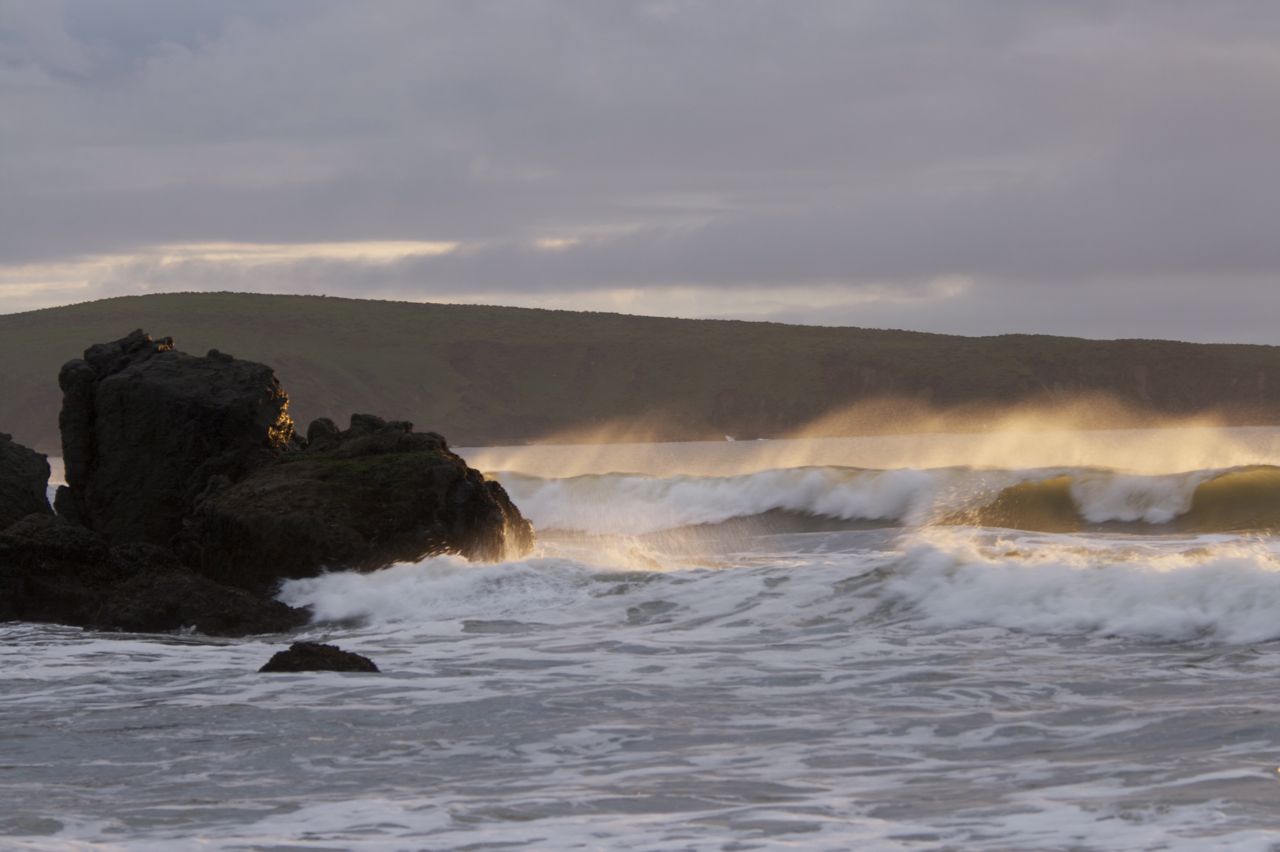
I went walking on the beach during a brief lull in a storm. As I was walking a small shaft of sunlight slid from the clouds to back light these waves. Breaks in storms equal dramatic light and clouds

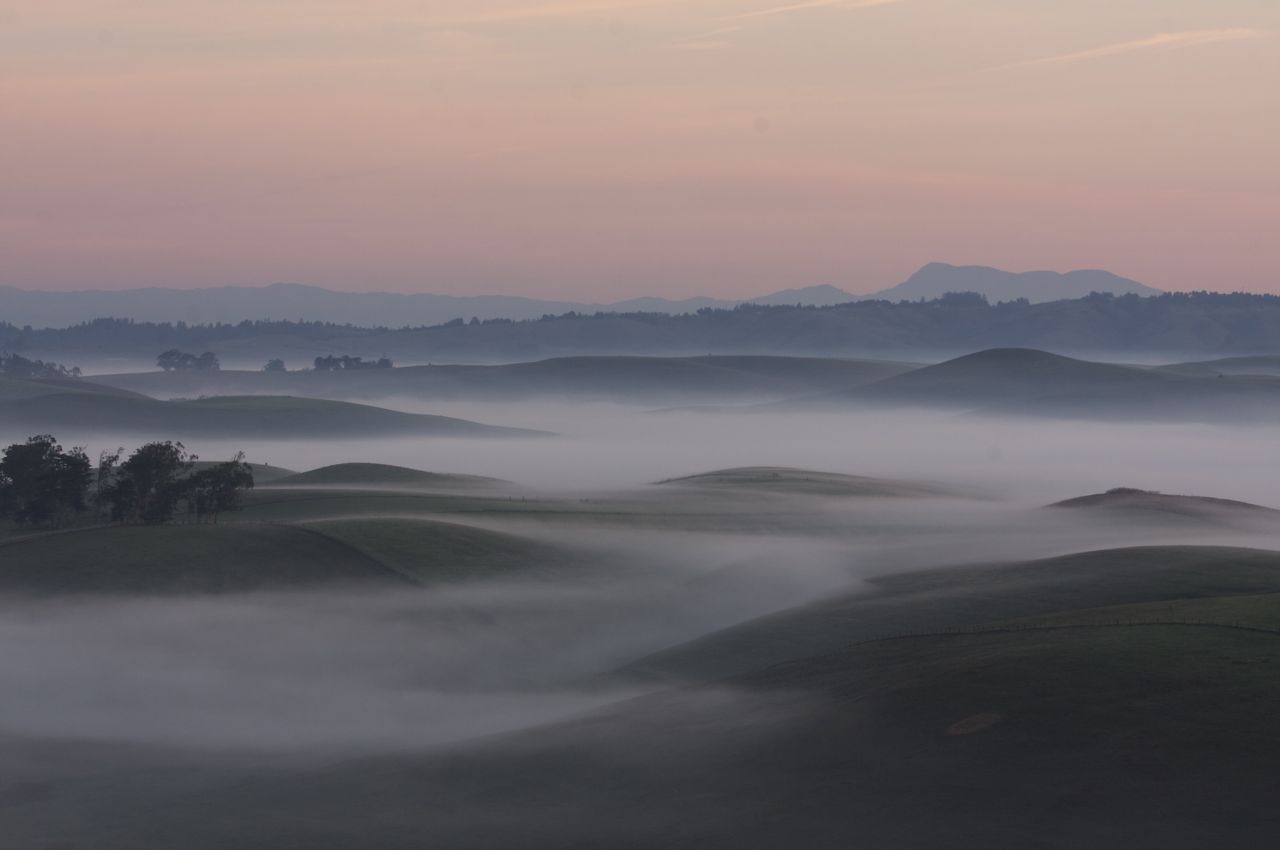
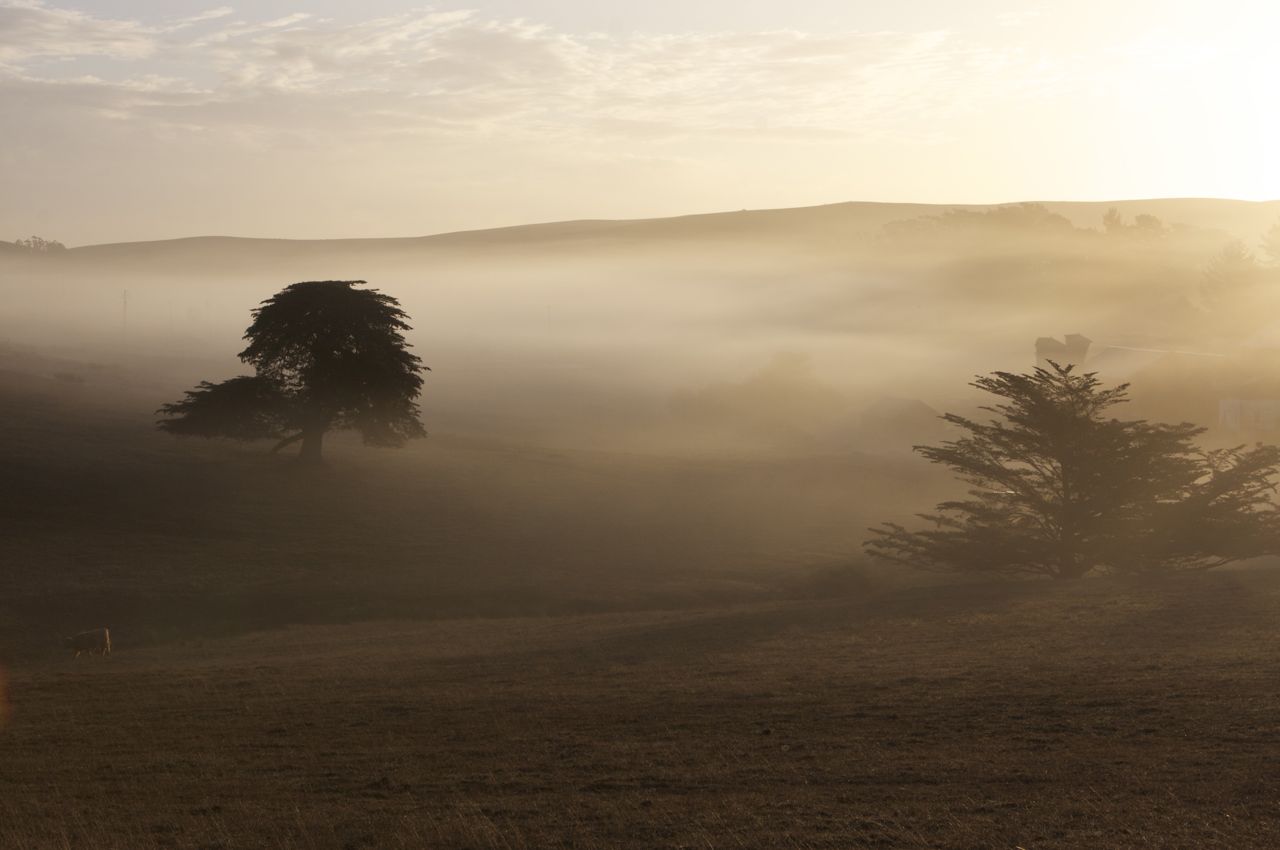
Bright blue cloudless skies, while great for sunbathing, boating, and hiking are usually pretty boring in a picture. Storm clouds add drama and texture. At sunset it is the clouds and mists that catch the colors of the fading sun and streak the sky with fun. Fog makes things soft and quiet, mysterious. Overcast, fog, and haze can remove the stark contrast between shadow and sunlit subjects (if they aren’t too far away and lost in the haze). Wind whips up waves, blows things through the air, and makes grasses and trees lean and sway adding a sense of motion.

Do protect your camera from getting wet and blowing dust and sand, but make sure you make it out during some of the more dramatic interesting weather phenomena. Some of the worst weather can give us some of the most dramatic images, so head out and play. Revel in the fact that you are different and facing the world while others cozy up inside. You’ll be one of the only ones on that storm swept beach, and you will feel like the whole world is yours.

Enjoy the crappy weather, it’s there for you

Galen

This slideshow requires JavaScript.

Posted in documentary, How To, landscapes, nature photography, photography, SLR, weather | Tagged , , , , , , , , , , , , , , , , , | Leave a comment

What to do with your paddle when taking a picture


You’re in your kayak, a seal pops up next to you. Grabbing up your camera you manage a couple of magnificent shots before it dives back under. Stashing your camera you get ready to paddle on… except your paddle is floating away from you.

One of the most important things you can figure out with kayak photography is what you are going to do with your paddle while you are taking that award winning picture. Chances are both hands will be holding the camera, and tucking the paddle under your arm can be a little awkward. Figure out where and how you are going to secure it, before you ever need to do so in a hurry. Let it become second nature so that it automatically ends up in a place where you won’t lose it.

Each kayak has it’s own series of bungees and straps that differ slightly. On some it is enough to slip one end of the paddle under the bungees right in front of the cockpit. With a sit on top you can stow it between your legs. In some kayaks though these methods won’t keep it safe enough, and you need to work out additional safeguards. What ever your method make sure it is simple and fast so that it will not get in the way of taking your pictures.

Additional considerations are paddle leashes and a spare paddle for just in case. If you do accidentally drop your paddle this will at least keep you from being stuck in the middle of a body of water at the whim of the winds and tides.

Learn your kayak, devise a method that fits your style and practice it to work out the bugs. Then head out and shoot happily. Kayak photography can be very rewarding when you are properly prepared. Here are some further tips for wildlife kayak photography.

-Galen

Posted in How To, kayak photography, nature photography, photography, safety, SLR | Tagged , , , , , | Leave a comment

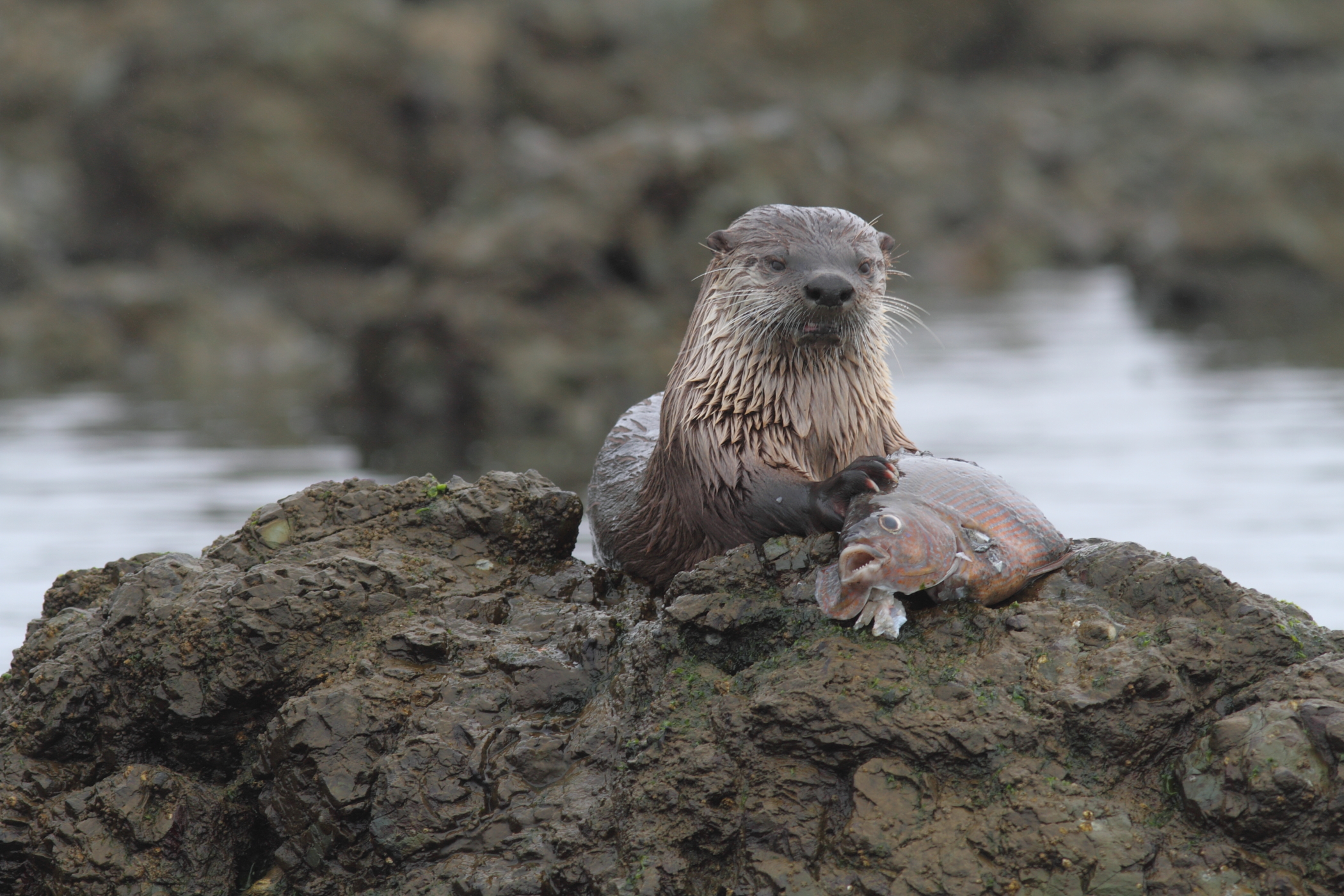
Anatomy of a photo: How do I photograph an otter eating a fish?


I can only answer this question by explaining how I got high definition video and 20+ megapixel images of a North American River Otter this past weekend.

The first key factor was, well, luck. I was kayaking in an area that’s about 30 square miles of open water. Coming across an otter in that much space is at least partially happenstance. I did however stack the deck in my own favor, to help create that luck.

I began my kayak outing early in the morning, before sunrise. Leaving before it is fully light out, makes it tricky to create many images right off, but it does give you time to make it to either good vantages or wildlife rich areas and set up as good lighting naturally arrives. With wildlife there is an added advantage to an early start. Many animals will be most active early I. The morning, late afternoon, and through the night. Wild critters are usually at their least active during the midday hours (siesta time I suppose). I’ve yet to come across river otters being active in the middle of the day.

I slowly approached once I saw the otter was partially distracted by its large fish

I came across the river otter as it was swimming across the bay. They can be hard to notice when they are swimming, because they are smallish animals and there isn’t much to see of them above the waterline. They are much easier to spot when there is little to know wind, and the surface of the water doesn’t have many waves or ripples. (This again plays into kayaking early in the day, before the wind has a chance to pick up.) I am also familiar with the different profiles that the more common seals present against the water, versus the otters. (It is important to know what the local animals are, and a little something about their looks and behavior.)

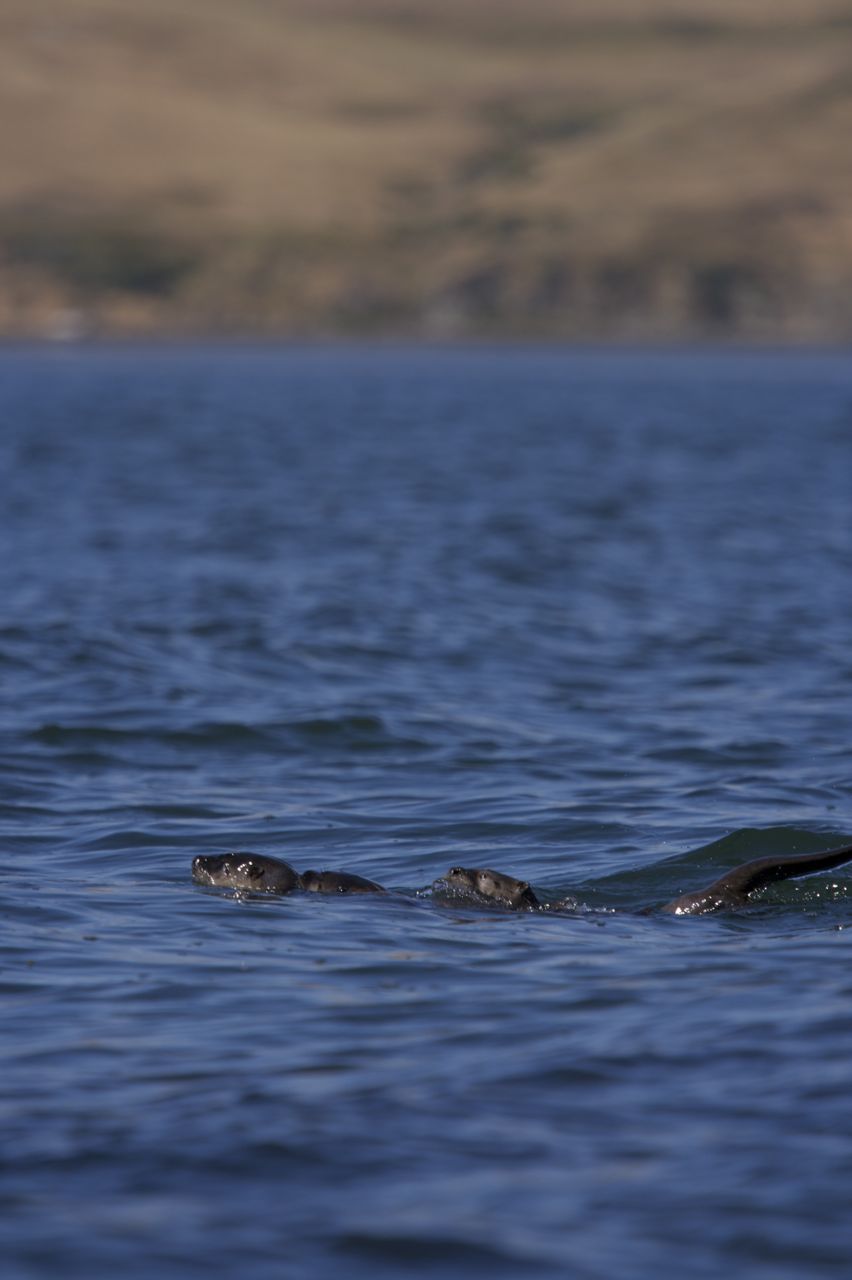
Otter swimming in open water

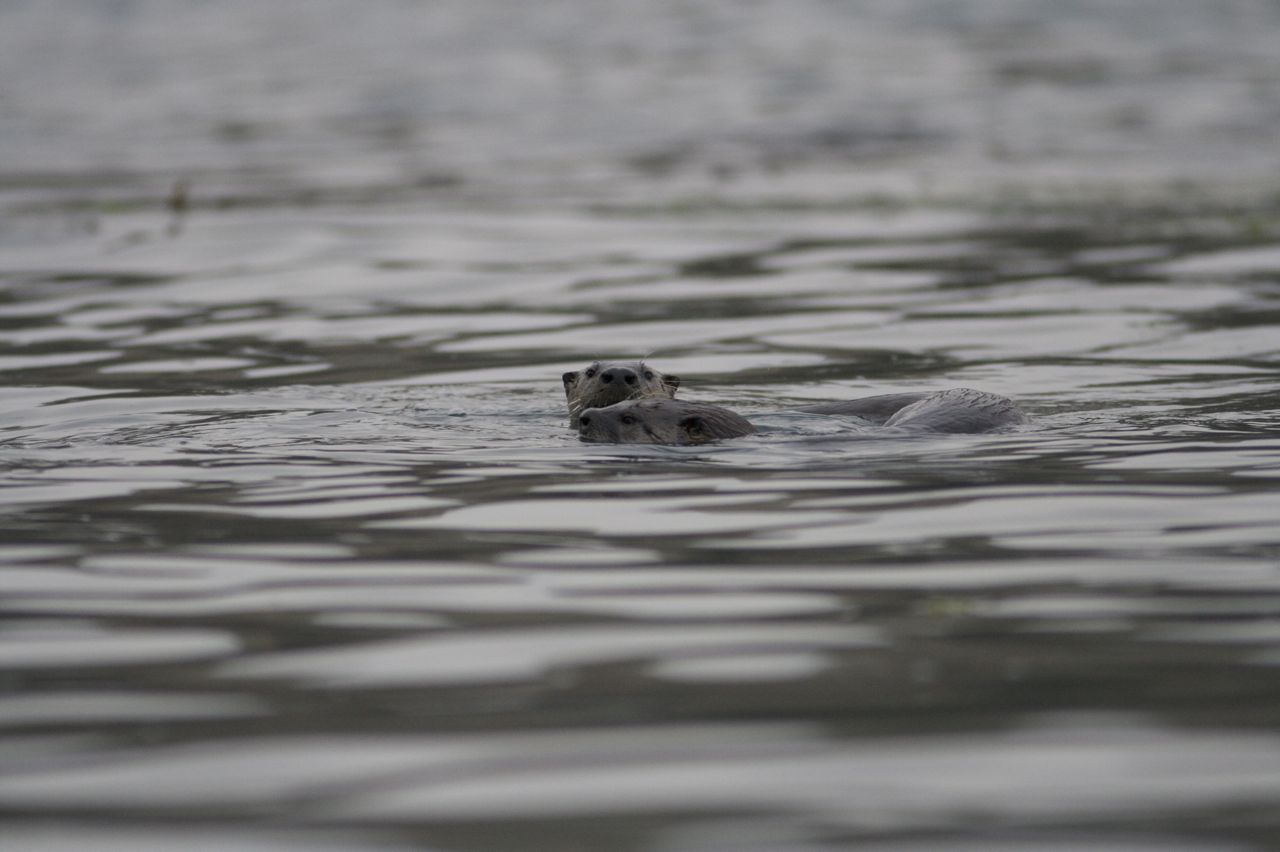
I have lots of images of otters swimming in open water, and while fun to look at, you only need so many swimming shots. So I kept a very discreet distance. I had a good pair of binoculars with me, and stayed 75 to 100 yards away. Otters swim large distances at a time underwater, and I watched it when it dove (the direction it was swimming in) so that I could project the likely area that it would pop to the surface in. I also did most of my paddling while it was underwater. That way it wouldn’t see me flailing along in hot pursuit and feel threatened.

Otters swimming in open water

When it finally approached the shore and rocks, I continued to maintain my distance, slowly drifting closer, paddling discreetly with only half my paddle- I had disassembled it just for this reason as I got with in fifty yards. I watched the otter the whole time, judging its reaction to me. If an animal seems to be nervous or overly aware of me I back off. If you scare an animal away, you’ve failed in two respects- not only have you disturbed it from its natural behavior and added stress to its life, but you’ve also lost the subject you were photographing.

I decided to approach a little more closely


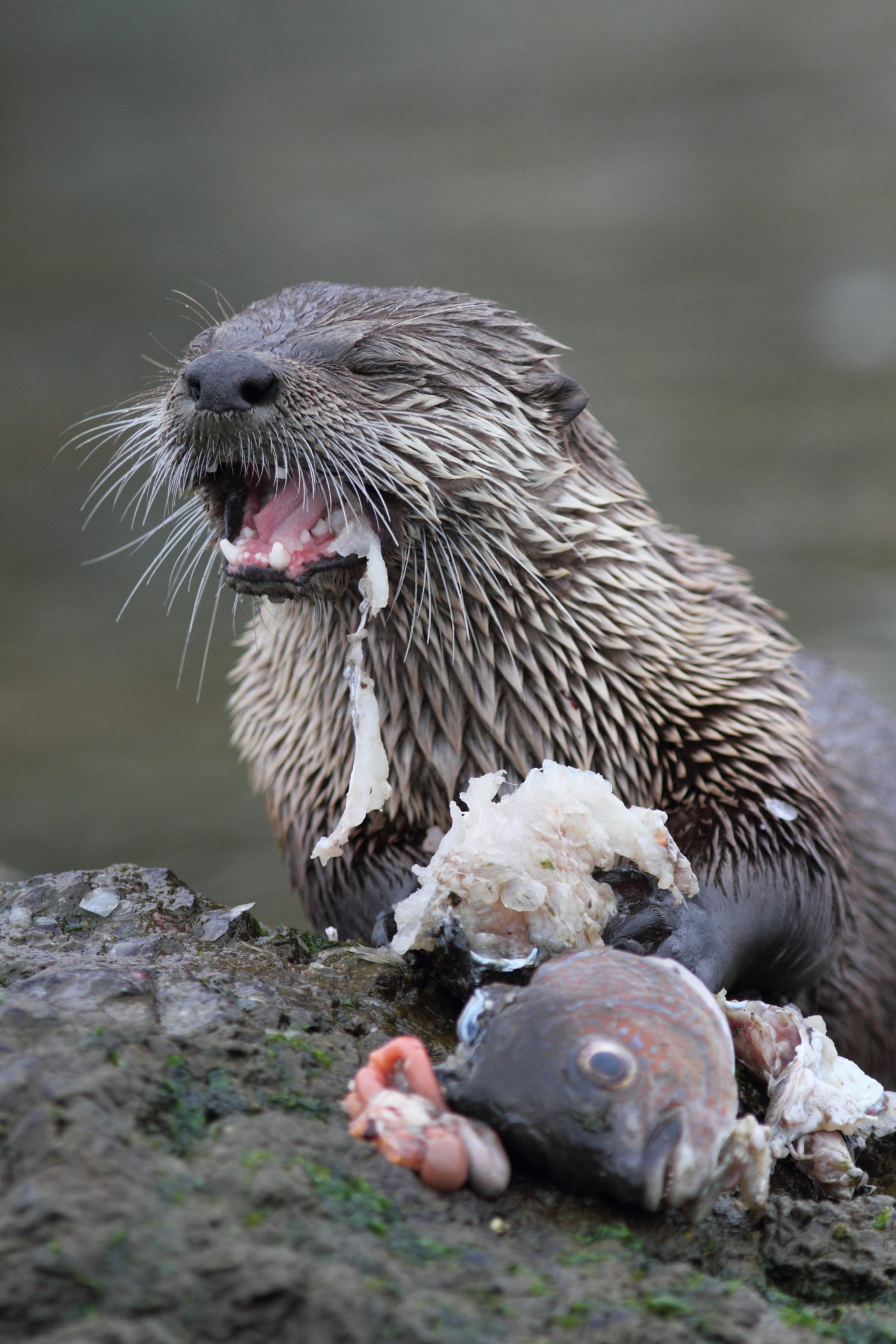
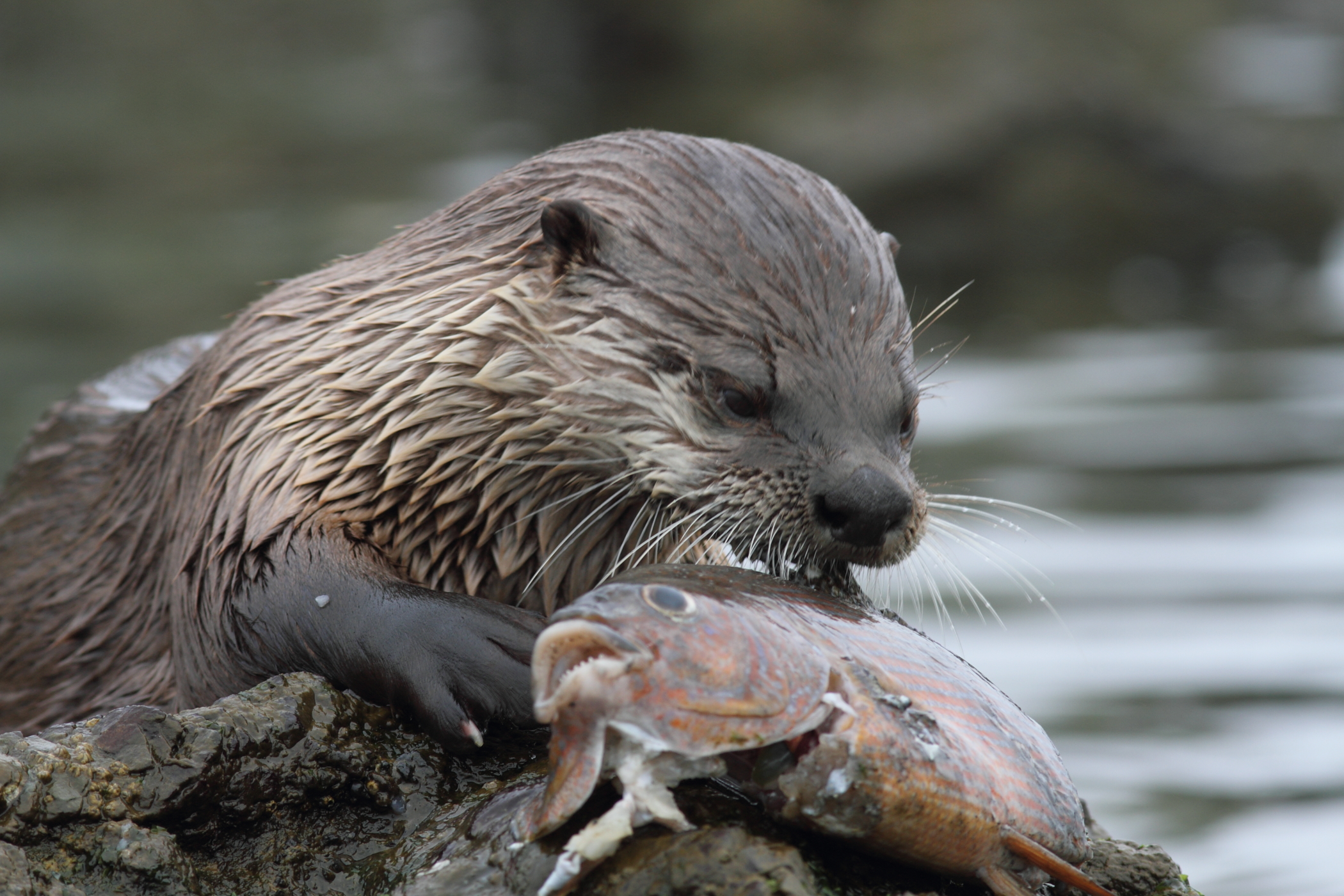
As I drifted slowly closer watching it, I saw the otter climb out onto a rock. I stopped taking stills and began recording high definition video instead. (For both the video and stills I was using the longest lens I had, helping me to get close images without getting overly close to the otter.) It was as I was filming that I noticed that the otter had climbed onto the rock with a rather large fish.

Food can have a funny effect on animals. It can help distract them so that you can approach more carefully, but it can also make them more defensive which means that they will try to run away with the food or attack to chase off those that might steal it. (You can observe these varying attitudes even in dogs. I would never try to take a bone from a strange dog. It might bite.)

The fish that the otter was eating was so large, that I suspected it would not want to swim very far with it, so I approached a little more closely than I might have otherwise, as it seemed very busy with its feeding. I still gave most of my attention to how it was reacting to me. At times I would drift closer than I attended, and so with very slow, smooth motions (no jerky or fast motions,) I would gently back my kayak away, using just the half paddle. I tried very hard not to scare the otter from its meal or to make it feel like it had to defend its meal by approaching too closely. The otter had worked too hard for that fish already.

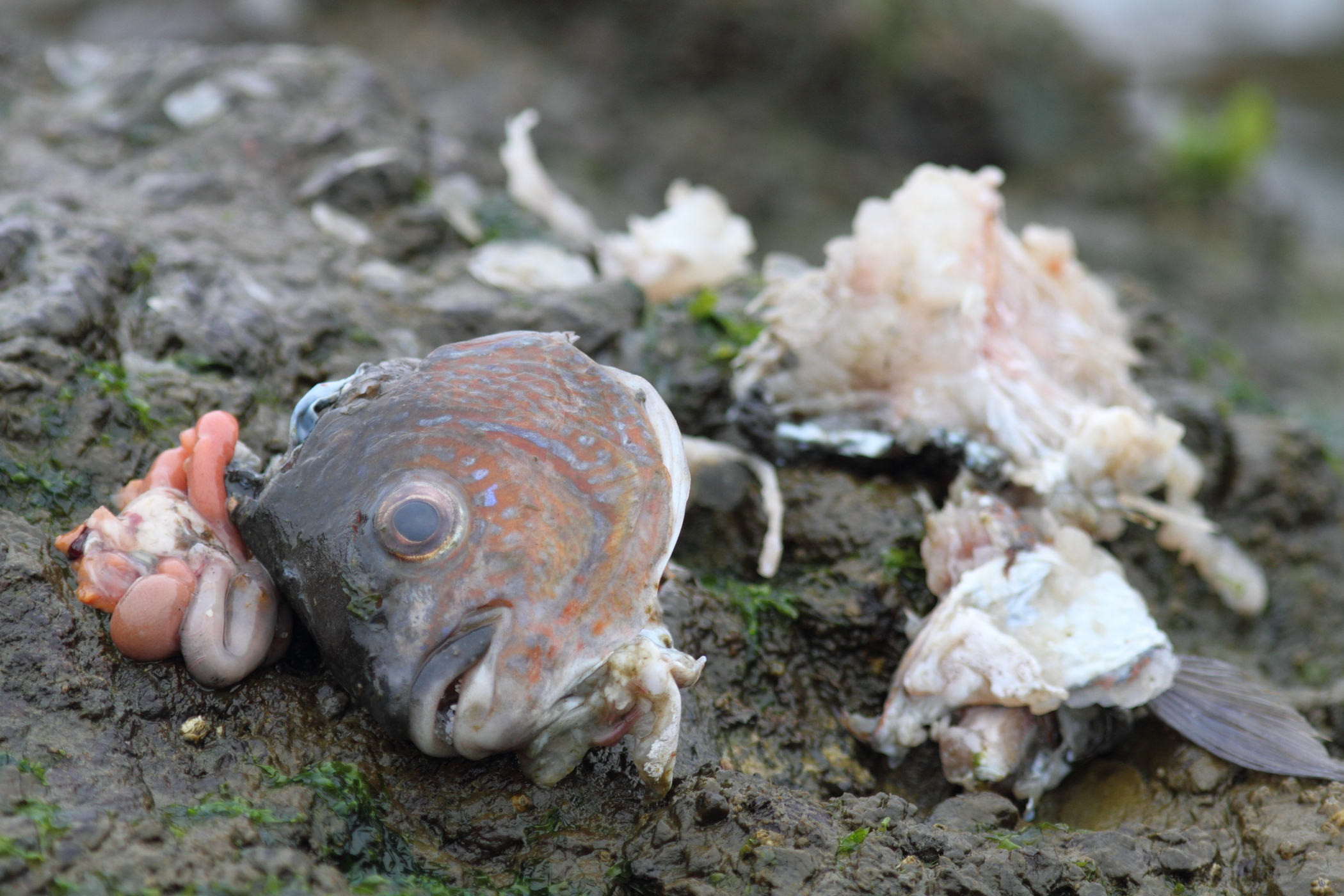
This picture helps to show part of the story, even without, or especially without the otter being present

Using the rudder, slight breeze, and tidal currents, I was able to drift around the otter until it had finished the entire fish (except the head) photographing it from many angles. After the otter left, I shooed away some gulls that had been waiting for leftovers, and took a few pictures of the remains to continue on with the story. I then filmed the gulls as they descended upon the prize.

In the end it was being prepared and giving the otter its space that set me up for these pictures.

Go out and make some of your own luck,

Galen

This slideshow requires JavaScript.

For more images of otters- The North American River Otter: An essay in Photos #1

or

The River Otter: Photo Essay #2

Posted in documentary, How To, How To, kayak photography, marine life, nature photography, otters, photography, SLR, video, wildlife photography | Tagged , , , , , , , , , , | 2 Comments

Shorebirds of Tomales Bay: The Marbled Godwit


I went kayaking recently on Tomales Bay, and found one of my favorite shorebirds, the Marbled Godwit. It was one of the first sandpipers that I learned to identify, as it is very distinctive with its barred cinnamon coloration, and its two-toned upturned beak. I hope you enjoy it as much as I do.

P.S. Please excuse the wind noise, I am looking into ways to remove it. Any suggestions as to post and pre production methods would be appreciated.

Galen

Posted in birds, kayak photography, marine life, nature photography, photography, SLR, video, wildlife photography | Tagged , , , , , , , , , , , , , , , , , , , , | 1 Comment

River Otter devouring large fish


For the story of how I capture video and some beautiful still images of this otter eating its fish, you can read and view pictures here.

North American River Otter eating sashimi

North American River Otter eating sashimi

The experiment in kayak videography continues. The sound disappears part way through the movie, as one of my experiments turns out to be a big fail (best not to go into details, just know that lesson learned.)

Enjoy this video of the North American River Otter devouring a big fish on Tomales Bay.

Still figuring out the bet way to steady the camera for shooting. I am also combating the noise of the image stabilizer built into the lens. I thought I had a solution, but instead I lost the sound a few minutes into filming. Also, the image stabilizer can cause a strange jerkiness as it jumps from stabile position to stabile position. It might work better when it is in the mode for panning. That will be one of the next experiments.

To update on the species of fish. It is  a Striped surfperch (Embiotoca lateralis)

For some of my more recent photographs of otters visit here

For older images of river otters visit here

Posted in kayak photography, marine life, nature photography, otters, photography, SLR, video, wildlife photography | Tagged , , , , , , , , | 4 Comments

What to bring in your kayak


When I head out kayaking to take pictures, I am often paddling alone so as to be less intrusive to the wildlife. There are some items I find indispensable to kayak photography, but also being alone on open water, often with several miles to the nearest person, it becomes necessary to plan ahead for possible situations where support won’t be immediately available, such as capsizing, losing a paddle, changes in weather, and injuries. There are several key items that I began taking with me when paddling solo, but that I now take with me even when I am with others.

Photography aids

For me, one of my single most important pieces of equipment aside form my cameras and dry bag, is my binoculars. These are indispensable for scanning the shorelines for bobcats, raccoons, and small shorebirds. They also allow me to sort through large flocks of waterfowl to find interesting species and plumages. I will often preplan legs of my route by what I have seen through my binoculars, so that I can approach from upwind or up current and be able to drift by without paddling.

Moving that large paddle from side to side can sometimes by unnerving for the birds or animals, so I will often bring either a small fishing paddle that can be used one handed, or else I will split my paddle in half so that my movements are more discreet when wildlife is nearby.

A hat with a full brim is very nice for shading the eyes and the neck (also be sure to be wearing sunscreen). This is key to keeping your eyes adjusted to the light around you, without having to wear sunglasses that can mess with your color perception. Make sure the hat has a flexible brim that you can turn up when you rotate your camera to portrait orientation.

Microfiber towels are key for keeping your equipment dry, but also for wiping your hands dry before handling your cameras and other equipment.

Safety equipment

I always wear a PDF (personal flotation device, which is often referred to as a life jacket, although technically a little different). Even when I am paddling in shallow water I have it securely fastened. If anything were to happen where I was to somehow lose consciousness, it could easily be the difference between life and death.

Stowed inside of my kayak, where it might be trickier to get at, but where it can’t be washed away is my spare paddle, separated into two pieces (for space reasons). With the paddle is a tow rope (any sort of rope can be handy, even if only to tie up your kayak to something), and a small repair kit for minor issues such as loose screws or broken bungee cords.

Also stowed are some items to be used after problems begin. A small first aid kit. Mostly some second skin bandage dressings in case of blisters, aspirin, tape, gauze, and burn cream. With this kit I also keep an emergency blanket (the silver, space age looking thing that you can find at any camping store). This can be crucial if you get really wet and need to remove layers and warm up.

The final items are extra water, energy bars in case I need a pick me up, warm non-cotton clothing, and water proof shells. The energy bars I always keep in the pockets of my PDF for quick and easy access.

That’s most of it. Of course, if you are taking photographs of wildlife from your kayak you will need different equipment than if you are just going for scenic shots. Happy paddling,

Galen

Posted in How To, kayak photography, photography, safety, wildlife photography | Tagged , , , , , , , , , , , , , | 2 Comments

Shorebirds of Tomales Bay: the Surfbird


The latest installment in my of Shorebirds of Tomales Bay series. Really fun bird in this one, the aptly named Surfbird. We don’t often see them in the southern parts of Tomales Bay. They are more often found towards the mouth, where the conditions are more ocean like and not surprisingly it was near the mouth where I came across several small groups of Surfbirds and Black Turnstones.

Enjoy

Posted in birds, kayak photography, nature photography, photography, video, wildlife photography | Tagged , , , , | Leave a comment

What to look for in a kayak (for photography)


There are a wide range of factors to consider if you are looking for a suitable kayak to photograph from. In this post I don’t recommend a particular kayak, because each person is a little different, their needs will be different, and different brands are more easily available in different areas. However there are several important aspects to consider, and I will guide you through these.

Stability. You want a stable kayak, to minimize movement while taking pictures. You also don’t want to be tipped over by a wave you didn’t see, because you were too focused on your picture. One way to test stability in a kayak is to sit in it (without a camera) and start rocking from side to side. See what it takes to tip yourself over. You’ll feel more comfortable having your camera in there once you know what conditions you can handle. Generally the wider a kayak the more stable. Also, if a kayak is too short (as many river kayaks are,) they can lose some of their stability, even if they are wide.

Next, it is important that you can control which direction the kayak is facing, because this controls where you can see, and therefore what your camera can see. You will be able to swivel your body somewhat to either side, but you will be limited and will lose stability the farther around you twist. There are two main factors that affect where your kayak points-

Rudders. If you will be doing a lot of photography from your kayak, especially of wildlife, a rudder can be nearly indispensable. It is best if the rudder is controlled with foot pedals, so that both hands can be free to handle the camera and its operations. (I love the Hobie pedal kayaks, but the rudder control is with the hand, and harder to steer while actively photographing.)

Ability to track (go straight) in windy or adverse conditions. Some kayaks will spin like a top in the slightest breeze. Short river kayaks and some inflatable kayaks can be especially hard to keep headed in a straight line, especially when it is breezy. Traits that will often add to a kayaks ability to go straight are its length (often the longer the better) and if it has skeggs, a rudder, or sharp contour lines. The best way to know how a kayak tracks is to ask and/or try it out yourself.

When taking pictures from your kayak don’t under estimate the value of comfort. Often, if you are out there to take pictures, you will be spending several hours at a stretch seated in this thing. You don’t want to be uncomfortable the whole time, or it will distract you from picture opportunities. Look for a kayak that comes with or can accept a real seat, hopefully padded, or a molded seat that fits your body well. Can you stretch out your legs from time to time to keep them from cramping up? Do you have enough back support? Are you able to sit at a comfortable angle?

Ease of use. Two different issues here. First is your ability to put in and out of the water alone. If you will be photographing wildlife, chances are you will be either paddling alone (which can be dangerous if something goes wrong) or with one or two other people. This means that you may be having to get your kayak on and off your car by yourself or with limited assistance. Most kayaks are fairly light, but there is some range to their weight. Choose one that is light enough to handle alone, and/or make sure you have rollers on your roof rack to make it easier to get on and off.

The second ease of use issue is the amount of effort for distance paddled. If you will be paddling long distances, you want to be able to conserve some energy for your pictures. Longer, skinnier kayaks will often go a little faster and farther for the amount of energy you put into each stroke of the paddle. Unfortunately, longer and skinnier isn’t always as stable. You’ll have to figure out your ideal balance on this one.

Storage in the kayak. How much space do you have to keep not only camera gear while you are kayaking, but also for your day. Will you want a tripod if you are resting on shore? Layers of clothing in case the weather changes? Food to keep your energy up? Blanket for a nap? (One of my favorite activities during those afternoon hours when the light isn’t as photogenic.) These are all part of your kayak outing, so plan them into your kayak choice. Here are some suggestions of what to bring in your kayak when on a kayak photography outing, especially if you are paddling solo.

Factors such as use (ocean, bay, river) will also affect the type of kayak you need, but even within each subset of kayak, there is quite a range, and the options can vary greatly. There are many other questions to ask yourself, such as Where will I be kayaking? What type of kayaking will I be doing- shooting rapids? Multi-day tours? Gentle easy outings? Will I be doing other things than photography from the kayak, like diving? The more you know what you will be using your kayak for, the more informed your final choice will be.

Happy shooting and paddling,

Galen
Posted in How To, kayak photography, nature photography, photography, safety, wildlife photography | Tagged , , , , , , , , , , | 5 Comments