Anatomy of a photo #42: Finding the invisible sheep


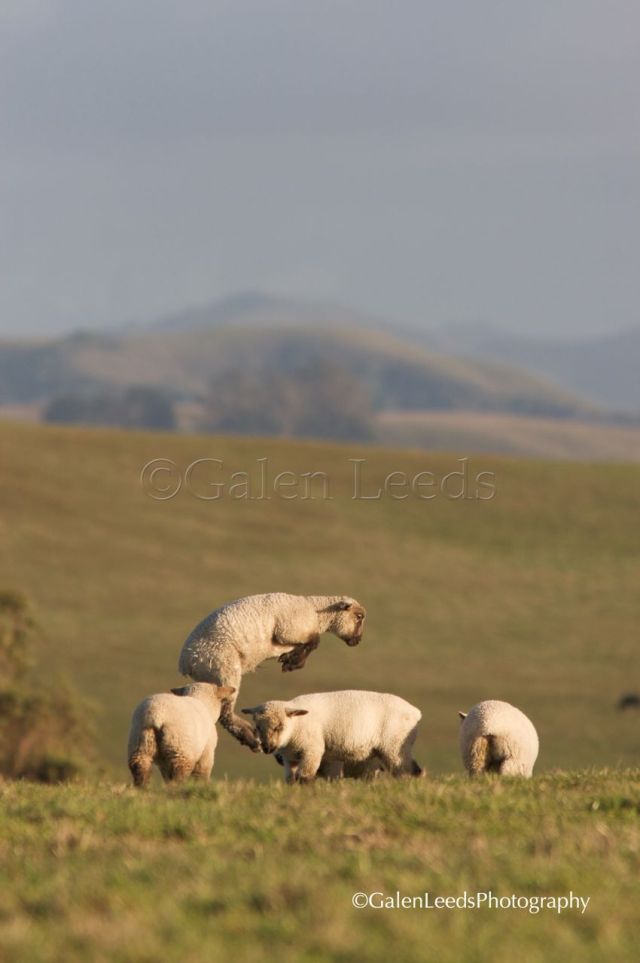
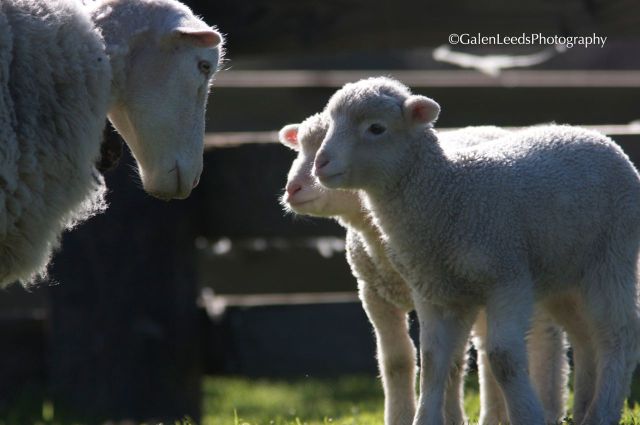
If you look closely, you'll be able to tell where the invisible sheep is

Out here where I live lambs are born in December or early January. This means that if you head out with your camera in February and March you can get photographs of playful, joyful lbs gamboling through the fields and leaping up the hillsides.

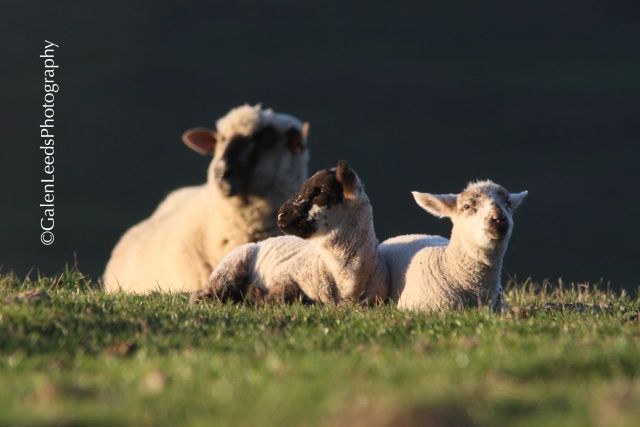
I headed out on such a day to see what was out and about when I found this group of youngsters tearing through the fields while placid adults looked on. Sheep are sheepish and rather skittish so I was watching them from a distance, and using a 70-200mm lens to capture the action. (High Shutter speed was my priority on this day, as freezing the action was more important than a deep depth of field.)

I originally titled this image as “Air Lamb,” and while I still think of it that way, someone once pointed out the fact that it also looks like I was able to capture an image of the elusive and rare invisible sheep. Look closely, and you’ll see it, though it is more by inference than actually being able to see something that is invisible.

Enjoy

Posted in Anatomy of a photo, nature photography, photography | Tagged , , , , , , | 3 Comments

Anatomy of a photo #41: The Willet walking away


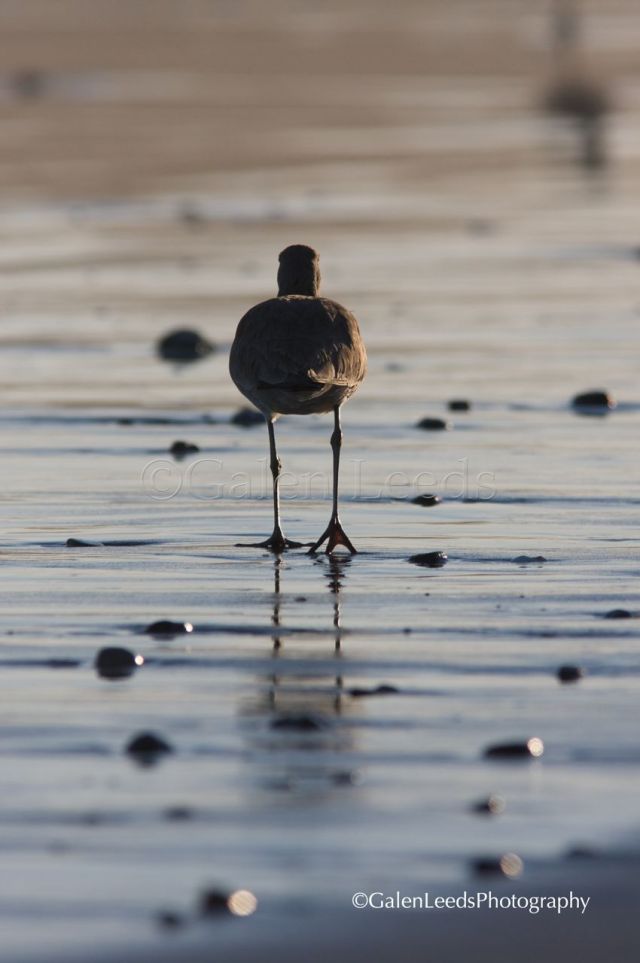
Willet at Drake's Estero

I took this picture towards the end of a very long day of driving and hiking around Point Reyes National Seashore. I had woken up that morning to hear on the radio that the air quality was exceptionally clear, and knowing that it would be perfect for photography played hooky from my duties of the day. And it was worth it. However, one of my favorite images from that day didn’t have much to do with the air quality, since my subject was fairly close at hand and not far enough off to have its crispness affected by haze in the air. The only way that the air quality may have affected this image is the color of the sunlight hitting the Willet in this image, as it was nearly the end of the day and the sun was approaching the horizon.

I had made it down to one of the local beaches, and it was a low tide. Rocks were exposed, doting the shoreline, and the waves were washing the shore farther out, leaving a wide expanse of wet sand… which can be ideal conditions for reflections, if you crouch down low. On this day there were several shorebirds (no large flocks) running along this stretch of wet sand, trying to catch sand fleas, sand dabs, and whatever other tidbits were exposed by the low tide and the washing of the waves.

I watched them for a while, snapping a shot here and there before I did crouch down for a few shots. Not only does this help to grab reflections like the ones coming off of the Willet’s feet, but it is also a much more pleasing perspective to view the bird from in a photograph. It’s closer to viewing the bird from its own perspective, a more natural view. When photographing wildlife from fairly close by, try to get down to their level. Your photograph will usually be more pleasing.

I violated one of the tenets of modern photography with this picture. The subject is centered (gasps of horror and dismay), or nearly so. I did not employ the rule of thirds, I did not offset the subject to improve the “flow” of the audiences attention. I am ready for the razzing, the keel hauling, the chopping block, or other tortures you may dish out. I am unapologetic and will take your punishments with my head held high. There are times when rules must be dismissed.

While I think the composition may have been somewhat improved had I captured the willet at the top of the image, I enjoy how the beach blurs away into hinted reflection beyond. Also, with some fast moving wildlife such as shorebirds, it is simpler to use the center focusing points. That way you don’t risk losing parts of the subject off the edge of the picture.

1/1000 f8.0 ISO 320

Posted in Anatomy of a photo, nature photography, photography, shorebirds, wildlife photography | Tagged , , , , | 4 Comments

Following the tracks of History


This slideshow requires JavaScript.

Through out the world there are little signs of forgotten life- a barn that is slowly returning to the earth, a shard of pottery washed clean on the banks of a river, orchards that have been swallowed up by forests… They are countless and lost, until someone stumbles upon something that makes them wonder what came before… Sometimes these bits are so decrepit or over grown that we may wander through them without ever realizing that there is anything out of the ordinary, that they are something from outside of nature.

Once upon a time a train ran near where I live. It was a small train, built mostly to haul lumber, produce, and dairy. It also gave passage to a small but steady stream of passengers. It took many years to build, slowly stretching its way farther and farther north, connecting, the shores across from the young, teeming city of San Francisco with the lightly settled hills and forests that supplied it with its country needs. Not many years after it was finished being built however the automobile gained steam, roads were built more quickly and easily, and the need for the train began to fade away. The engines were sold, and the tracks taken up for other projects.

One thing was not erased however- the bed that they built up and carved away that the tracks might run straight and level. We have many classic and picturesque barns out here where I live, but it is the bed of these tracks that calls to me. I’ll be driving along, or hiking through a field near where the trains used to run, and I will spy something about the shape of the land, that cries out to me that it is not quite natural, and I will inspect a little more closely, and I will realize that I have found another stretch of the narrow gauge railroads bed. I’ll follow it a ways, until it is lost to erosion or is too choked up by poison oak for me to risk passage. The signs are there however, if I only remember to look for them.

What are your favorite finds of forgotten history? A barn? A few fence posts standing alone on a hillside, without sheep or wire to give them purpose anymore? Perhaps you too have a train, that is merely a ghost now… There is a small bridge near where I live, that can only be seen during drought years, when the waters of a local reservoir fall far enough, hinting at the course where the road used to run… Where do you see history?

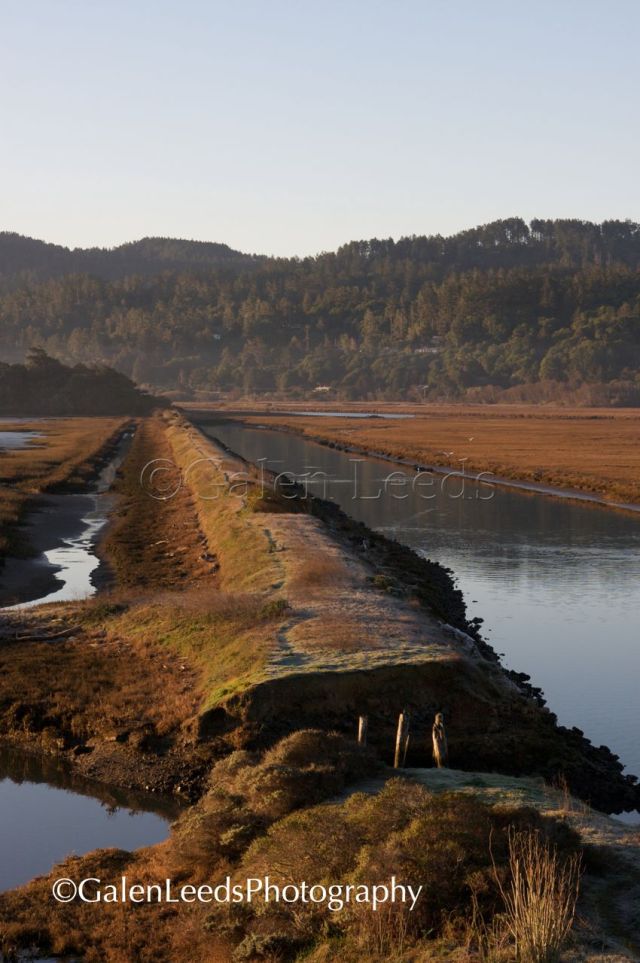
Straight and raised well above high tide, is the berm that was built for the train to run along

1930 saw the end of this era in western Marin and Sonoma counties, when the railroad running through this rural area was dismantled. Allowing timber and tourists alike to travel between Sausalito and the Russian River, little remains to hint at its path, except some buildings in the towns along its route, and the names of places like Point Reyes Station. Some of the towns have even disappeared. If a person feels inclined to drive along the east shore of Tomales Bay however, there are a few subtle clues as to what once was. Some of the shoreline is mounded high above the water, and it appears unnaturally straight and level. This “levy” is the bed of the old narrow gauge railroad. It’s easy to spot, once you look for it. Just pick a turnout between Point Reyes and Tomales, almost any of them, and have a look. Then imagine yourself chugging along through the placid waters of yesteryear.

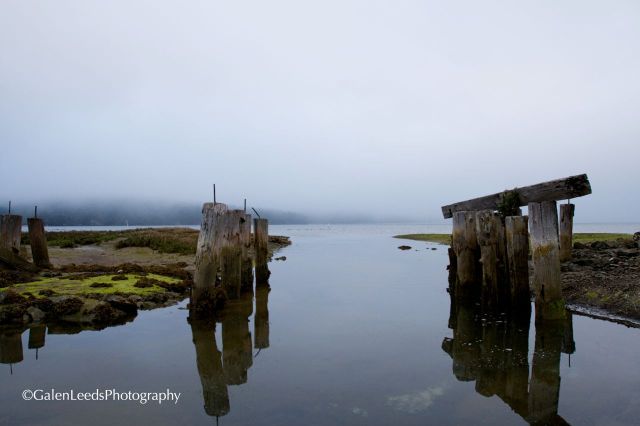
In some places some of the old timbers from short stretches of bridge are still visible, where the train had to cross tidal sloughs and creeks

How marvelous it would have been to ride this train that ran along the water's edge. Straight and true, without the curves of the modern road, it would have been much easier on those that get car sick

Posted in California, landscapes, Photo Essay, photography, road side | Tagged , , , , | 4 Comments

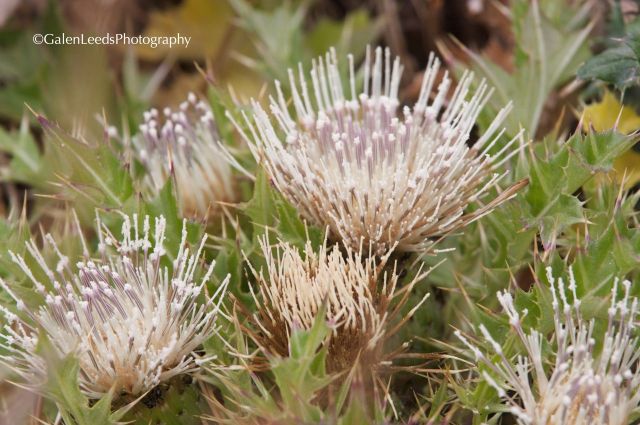
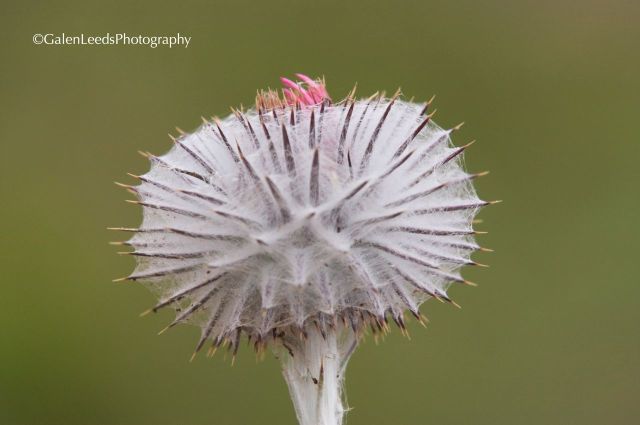
Anatomy of a photo #40: A season of thistles


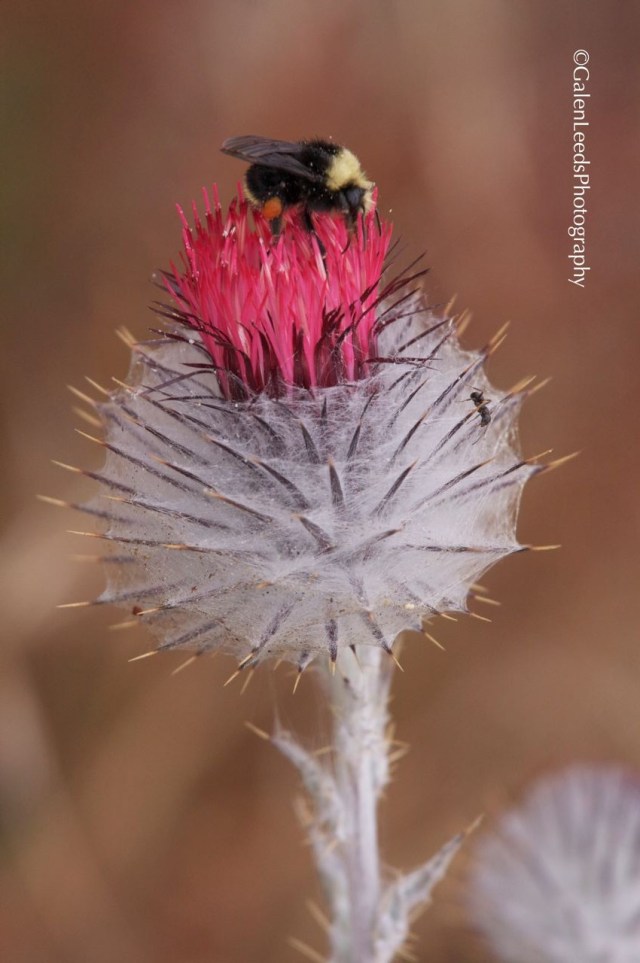
Thistles can have their own elegance if you let them

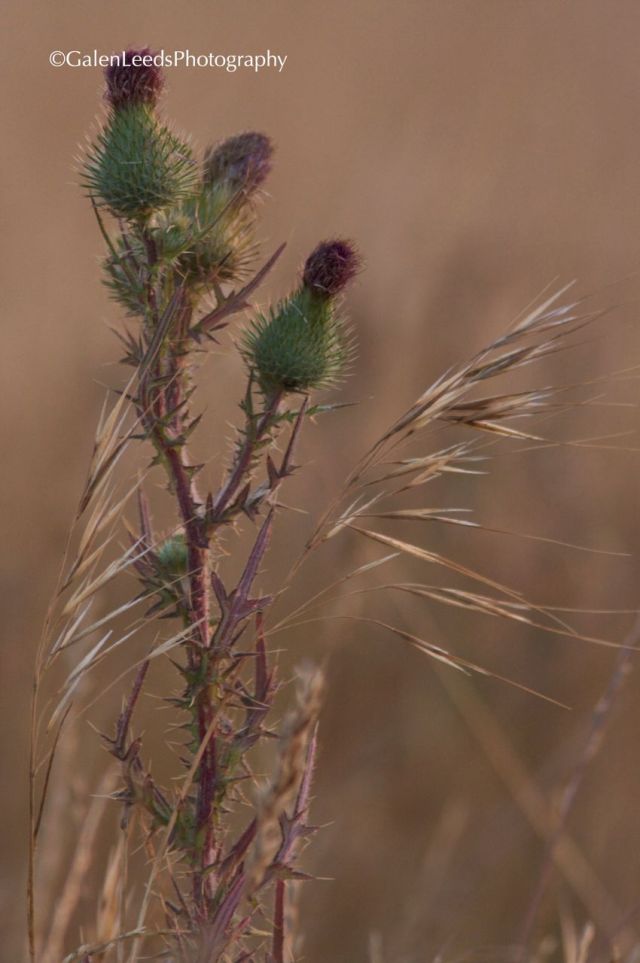
They are a weed. Their spiky heads can leave a child wailing and an adult cursing. They are often a blight, an eyesore, something to be dealt with or avoided. They also can have their own beauty and intricacies, if you take the time to look a them in the right light (figuratively and literally).

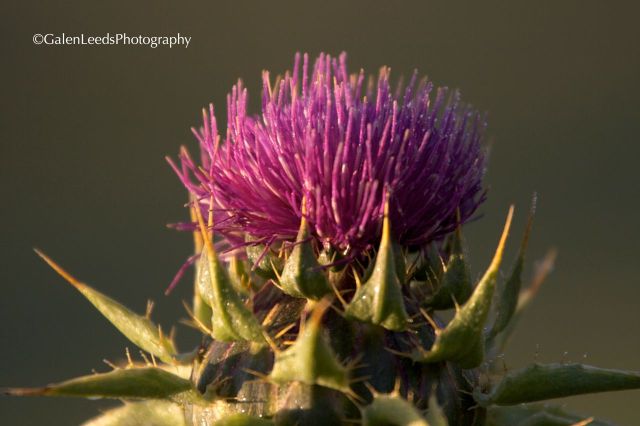
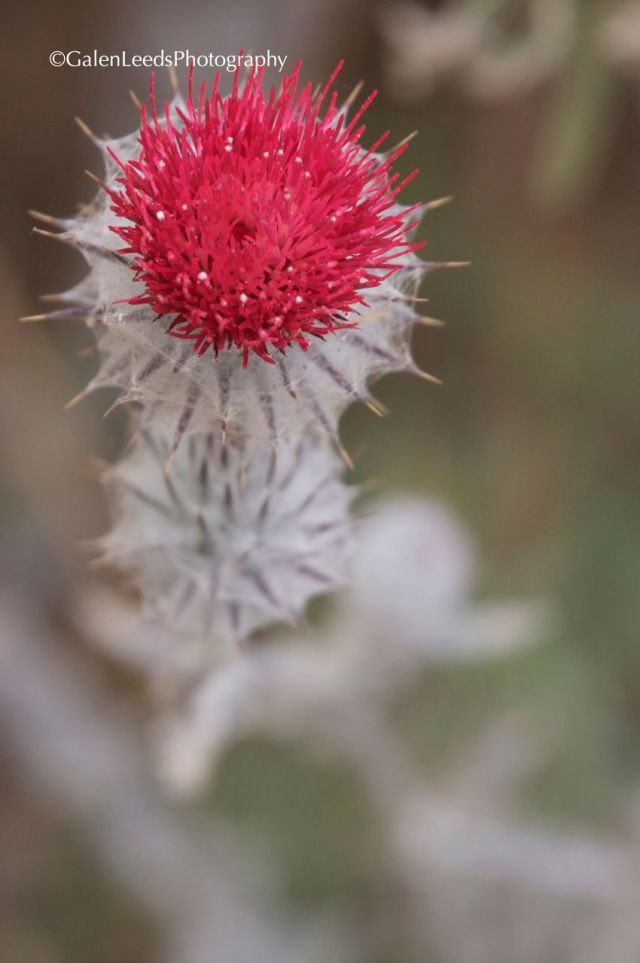
The proud bloom of a thistle in its prime

When they are fresh, they can be an amazing mix of color.

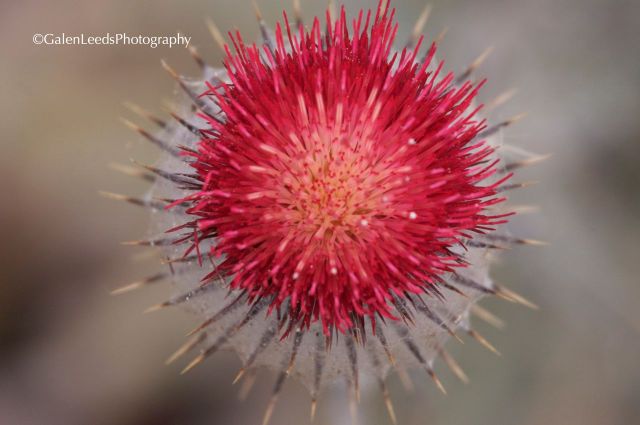
And sometimes those colors can be surprising

And they are important to our bees, as they flower when little else does.

Hurrah for bees and thistles!

Most of these pictures were taken in the same way- with a long lens and an aperture that was opened up wide. This gives a very tight composition on just the thistle, while blurring out the background for a nice even backdrop. It simplifies the picture, leaves behind extraneous details, and gives the audience only one thing to focus on. Thistles.

A little color is added to the golden fields, for better or worse

I had no idea how excited I would get about this post, until I started it and began remembering about some of the many thistle pictures I have taken and wanted to include.

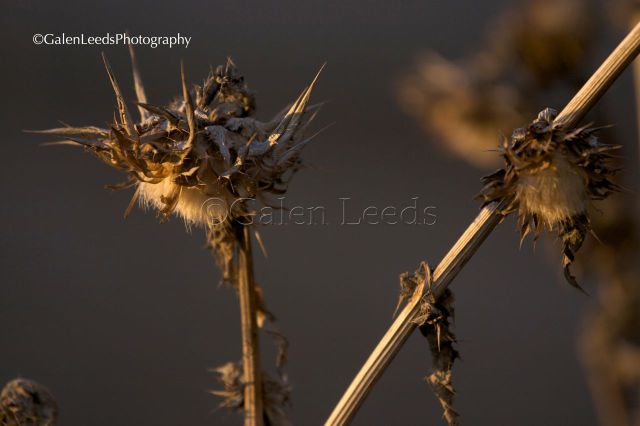
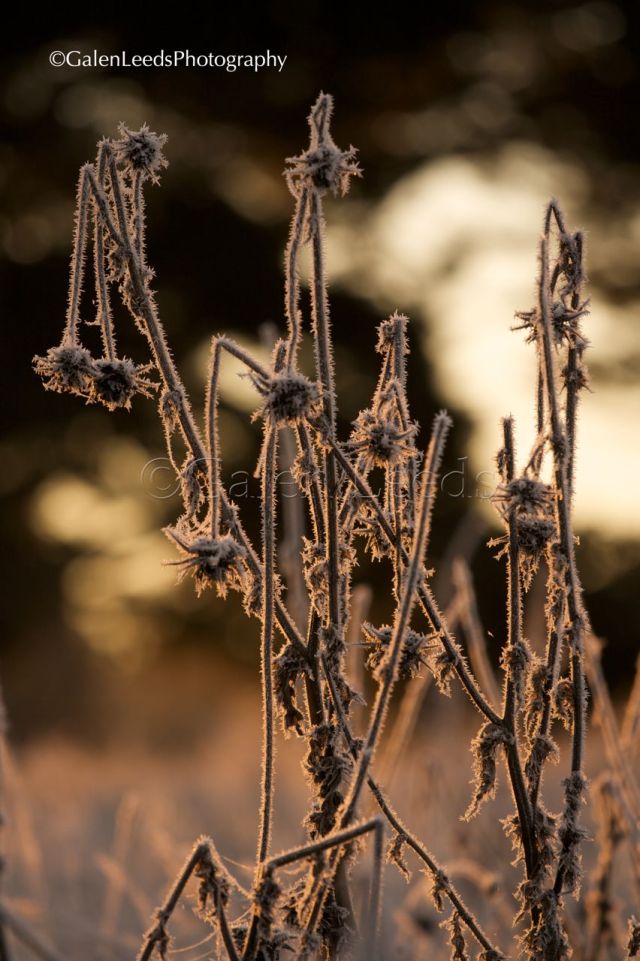
And finally, winter claims the forgotten thistles of the fall

New

New

Brownie thistle... sometimes even the name can be a little surprising

New

Beauty and pain mixed into simplicity

Posted in Anatomy of a photo, nature photography, Photo Essay, photography, SLR | Tagged , , , | 13 Comments

Using long lenses for portrait photography


300 mm lens with 1.4x converter

When people think about “portrait” photography, it seems they instantly think of fast 50mm and 85mm lenses, perhaps going up or down a hair in focal length. No thanks, I’ve been there, done that, and don’t feel the need to take pictures like everyone else’s, using the same equipment and getting similar results.
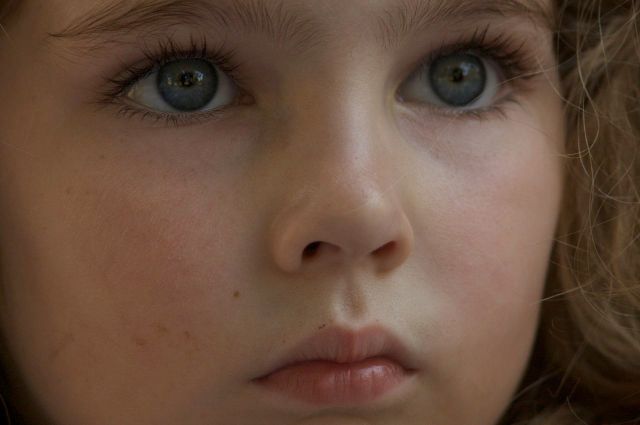
300mm lens with 1.4x converter

I suppose I am influenced by the fact that I began to get serious about photography as a wildlife and nature photographer. My initial equipment was long lenses and a wide angle zoom. With the long lenses, I wouldn’t just take pictures of wild animals, I would make portraits of them, where it almost seemed as though they were posing for the camera. I realized that this style would also work very well for candid portraits of children at play.
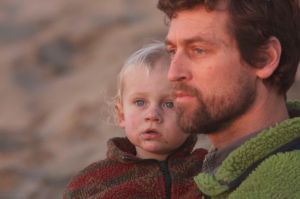
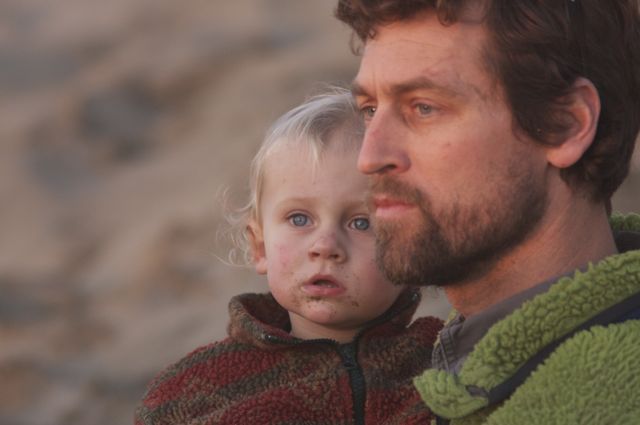
I was able to capture an unguarded moment between this father and son, using a 420mm lens equivalent

With friends that were always happy to have professional quality pictures of their children, I was able to play around and discover many of the advantages of using a long lens. From photographing children, I began taking pictures of adults as well, often being surprised at how much I enjoyed the results. I have my shorter lenses now, but I find them mostly coming out when photographing large groups or indoors, when I can’t get enough distance.

Benefits of the Long Lens
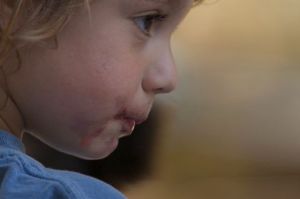
The shallow depth of field blurs the background, keeping it to just that- background, removing unwanted distractions from the subject

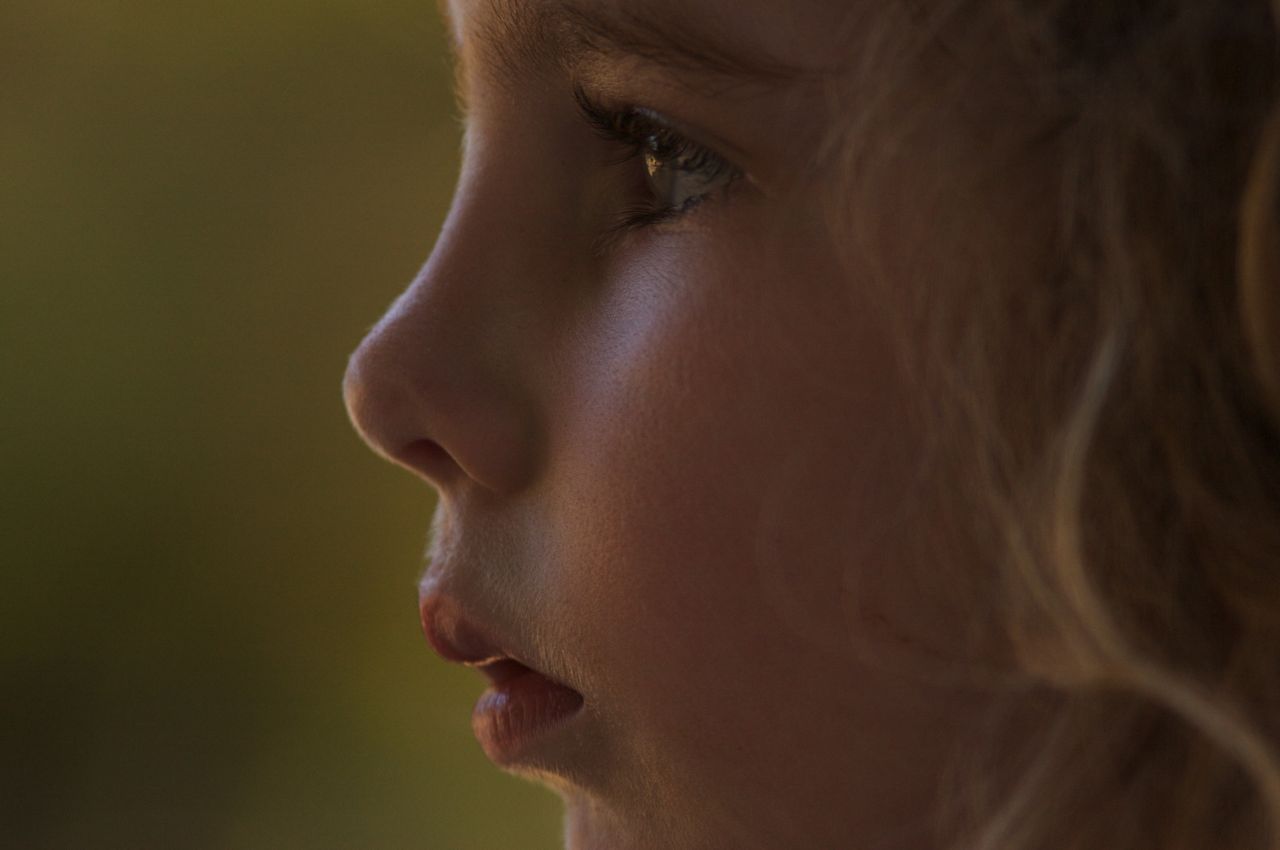
Longer lenses have a shallow depth of field. This helps make the subject pop, isolating it from the back ground, creating a strong image. Don’t stop down the aperture too much, leave it wide so that you don’t lose this advantage.
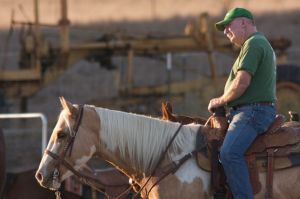
Depth of field can pull the subject out by blurring the background and making it incidental

You can fade into the background, remove yourself from the action, allowing for more candid images. This is especially true when photographing children at play. They don’t focus on the camera, but rather on having fun. You capture them in their natural state, rather than posing uncomfortably in front of a camera, fidgeting as they try to follow directions. It is also effective at weddings and other events, for capturing candid images of guests and wedding party members. The shallower depth of field can help separate people from the crowds around them.

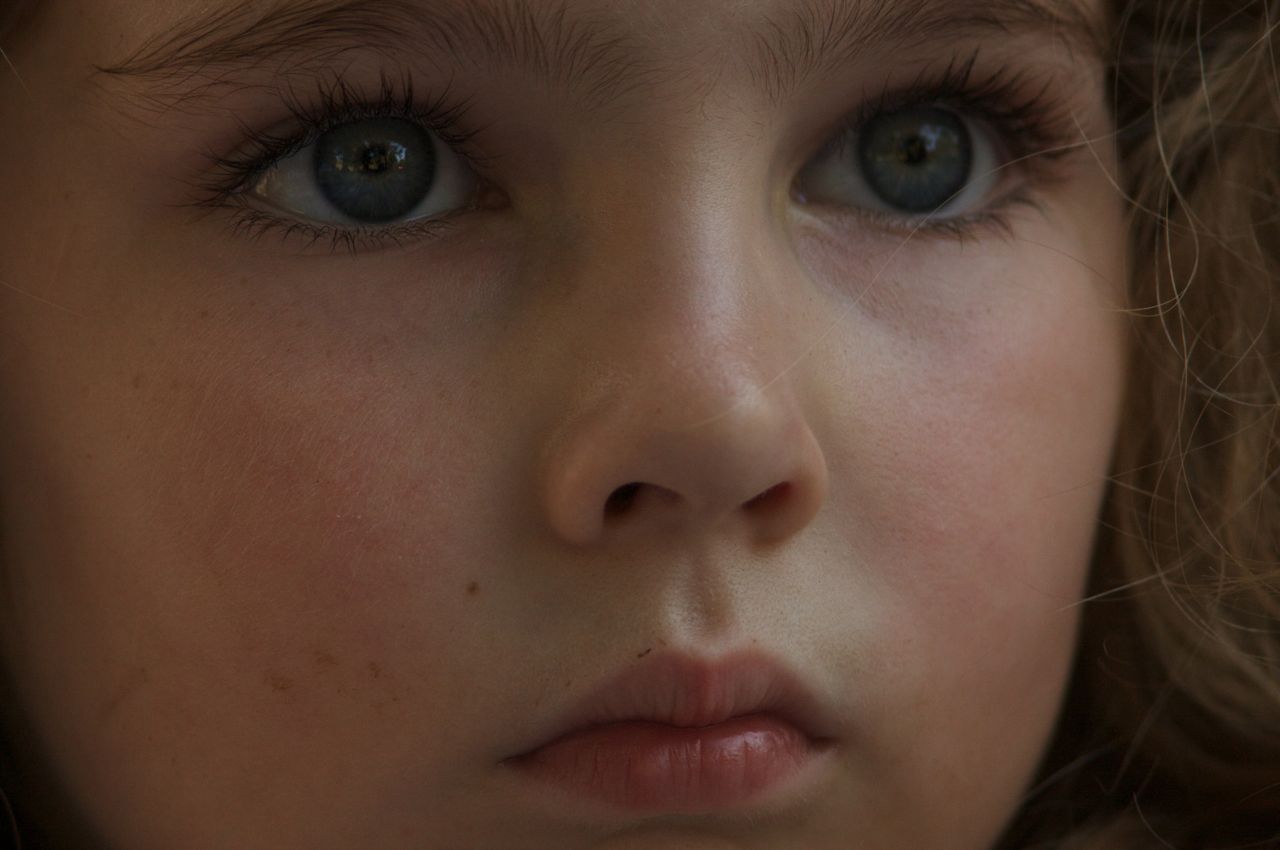
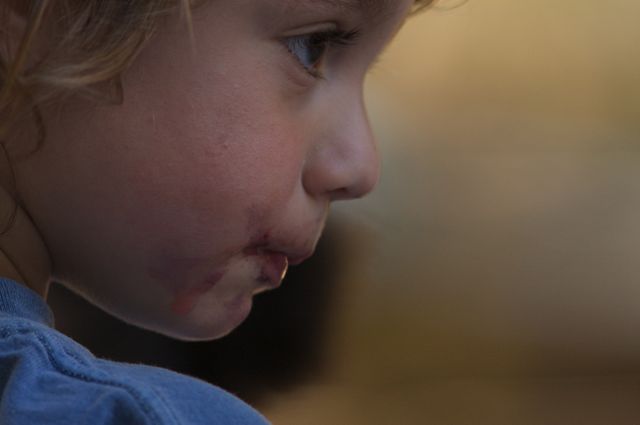
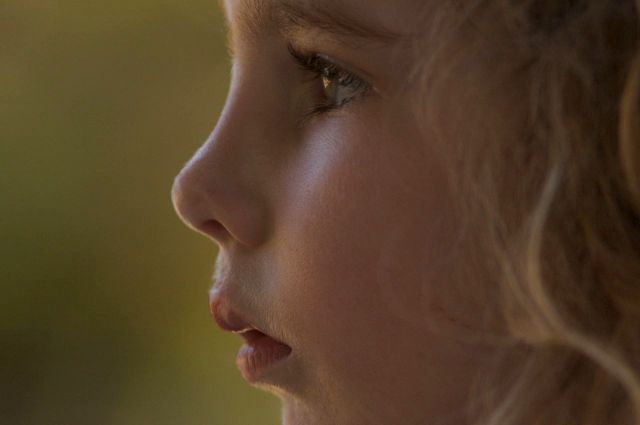
You can zoom in on particular aspects of the subject, focusing on just the eyes, face, or hands. Showing the face or eyes at such close range, with little else in the image can be very captivating. Having just part of the body can also create its own s One of my favorite portrait is of an arm holding a clam as water drips off of the arm.
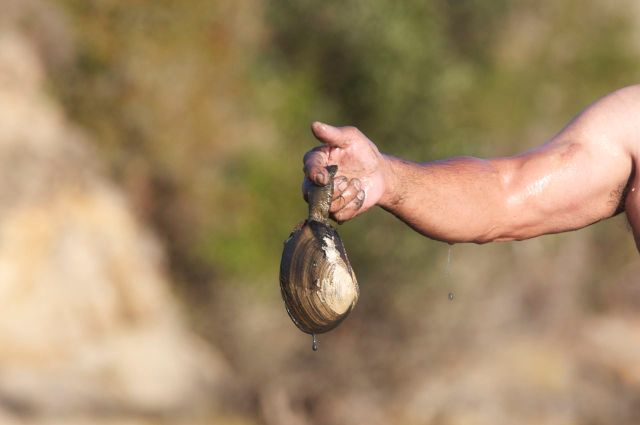
Even just an arm holding a clam can be an evocative image when a telephoto is used

It’s easy to lose the unwanted perspective of shooting from above or below the subject with a telephoto lens. The farther away from the subject you are, the less noticeable your height difference can be. You end up with a level, head on view.

Longer lenses usually need a higher shutter speed to avoid camera shake. Children being as active as they are, you also want a higher shutter speed to freeze the action. It’s a natural fit, they compliment each other.

Using a lens that you normally wouldn’t gets you out of your comfort zone, makes you think in ways you wouldn’t otherwise, adjusting and adapting to situations differently, making you more flexible.

Go out, give it a try. You’ll be happy with the results. I’ve included a slideshow so that you can compare portraits taken of people and wildlife using telephoto lenses (most of the images were taken with a 300mm + 1.4x converter).

Enjoy,

-Galen
Posted in How To, How To, photography, portraits, SLR | Tagged , , , , , , , | 8 Comments

Adventures in Bread


Hello dear readers. I’ve been a little distracted of late, and sadly have not been keeping you as entertained as I should have. I am pleased however to let you know that you can now double your enjoyment of me, by joining me not just through my photographic adventures through nature, but also by joining me in my home. No! this is not some sort of web cam venture. It’s a cooking blog. You can join me as I learn to bake bread, and also I will share with you some of my more established recipes, like Bolete Stroagnoff (they’re a type of wild mushroom, but you can easily substitute others such as chanterelles). Unfortunately many of my early cooking and baking pictures were just quick simple snaps with my phone, but now that I know I will be blogging about it, I will start taking more official photographs with the heavy artillery.
So come and join me in my Adventures in Bread

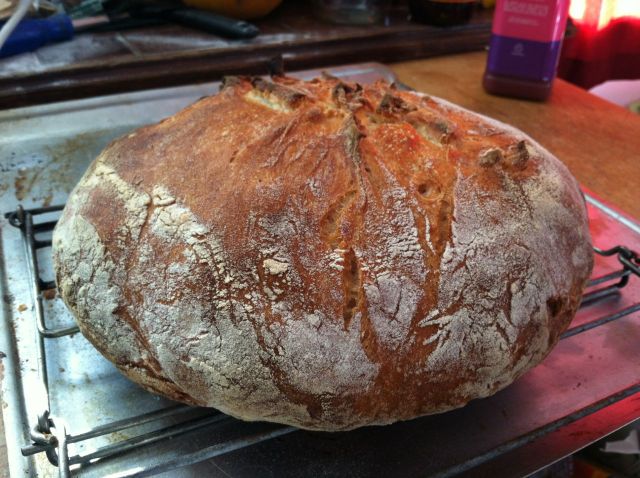
My very first loaf. What a beauty, and so simple to make

Posted in photography | Tagged , , , , , | 4 Comments

Getting clarity by turning off your focus


One of the best camera tech tips I ever got was to turn off the focus capability of the shutter release button. I’ve been doing so for years now, and today, I suggest that you do the same.

(Gasps of dismay and shock ensue. Make do without our autofocus?!?)

I’m not really asking you to do without your autofocus. I love my AF. With its speed and ultrafine focus, I would be hard pressed to do without it. I just don’t like it coming on every time I half way push the shutter button.

So how do I focus? On my camera there is a “focus start” button. My right thumb rests almost automatically on this button, so it is quite easy to have my shutter finger at the ready while I decide if I want to refocus or keep my current focus. Index finger on the shutter, thumb on the focus.

Some of you might wonder why I prefer this to the AF off button. The AF off button is something that is only used from time to time. With the AF Start button being the entire focus control, you are using it everytime you want to focus, and the action becomes very automatic.

It might take a short time to get used to having a separate button to focus, but it is really a quick and simple process, much easier than learning to drive a car, or even change your aperture while looking through the lens.

There are very few downsides. All of your camera’s functions still work- AI Servo, AE, you name it. The only thing that changes is your focus.

Posted in How To, How To, photography, SLR | Tagged , , , , , , | 2 Comments

Christmas Bird Count… For kids!


This slideshow requires JavaScript.

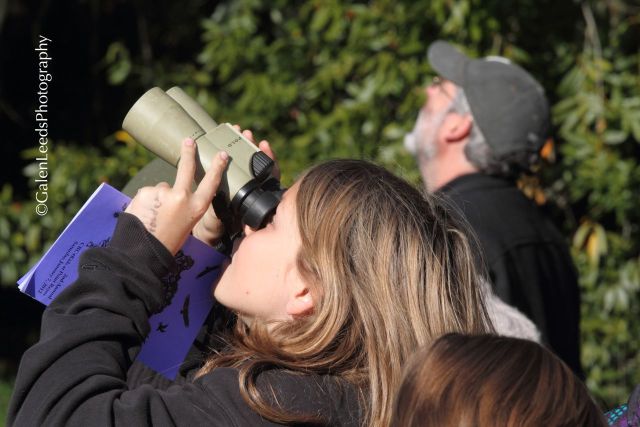
Audobon just celebrated its 112th year of its citizen science project- the Christmas Bird Count. It began small, but now is worldwide, taking place on every continent. More people are involved in the Christmas Bird Count than watch the Superbowl. It is an event where birders new and old, beginners and old hands join together to count as many birds as they can in their local area, each region being covered for just a single day. It is a great way to share your own knowledge of your local feathered friends, but also to learn more about the birds of your area by being with people that will point out the different birds you are seeing and hearing, by counting them. The results are then sent in and tabulated by the Audobon Society, and a report of all the birds seen in all the different regions is published. While weather and other factors can affect numbers seen and counted, numbers taken from over so many years help to give a general sense of the health of bird populations around the world over the years.

Counting birds as they wing over

Children have been involved on the periphery of the bird counts as they are taken along by parents (or in some cases make their parents go so that they may be involved), but often times the days can be a little long and the pace a little arduous. And this has spawned a new movement over the last several years (the first one I know of started in 2008)- Christmas Bird Counts for Kids. It is small right now, but growing exponentially. This year there were tens, if not hundreds of bird counts for kids- schools and national parks are organizing them now, but so are communities. In fact, it all started in communities that wanted to give younger people an introduction to birding, to show them the beauty of the natural world.

A group of young birders and their parents, counting in the Point Reyes National Seashore with their birder during the count

Saturday was the second Bird Count for Kids that I’ve participated in (both as a photographer and an experienced birder helping young people to learn birds).This year and last I took pictures of this new event hosted by the Point Reyes National Seashore, watching as kids became more and more excited the more they learned about the birds that they were seeing.

Child learning to use a scope

There were eight or nine groups of twelve (including children and their parents) that headed off with an experienced guide for two hours to count all the birds they could see and hear. Everyone then met up to tally their results over a bag lunch and to discuss what they saw. This year we had a 30% increase in the number of birds that were counted last year, with many new species. Kids were swapping names of birds back and forth as they discussed what they had seen- Northern Harrier and Red-Tail replacing the more generalized term of “hawk” that they had used before for any large bird that wasn’t a vulture.

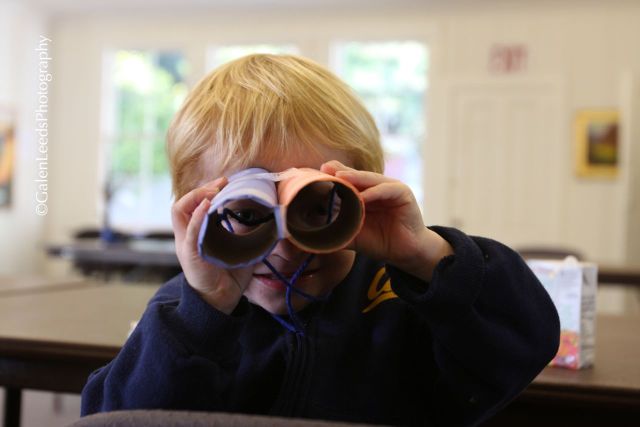
A "Baby Bird" looking through the "binoculars" he made in the activities for kids under 8 years old

There were also activities for the younger kids that weren’t up to tramping around for two hours, looking up into the sky. There was a “Baby Bird Camp” where the young ones made binoculars from toilet paper rolls and spotted cut out of large birds placed in the bushes.

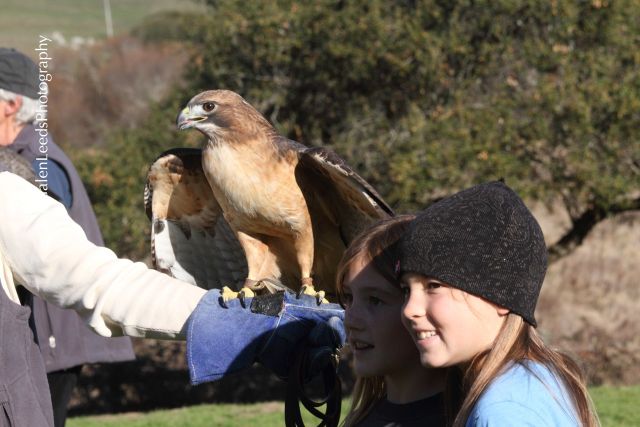
Two children meeting a rescued Redtail that was brought in for the event in the park

At the end there were two live rescue birds brought in as a treat for the kids, to add a little extra excitement for the day… All of this isn’t necessary though to start your own Christmas bird count for kids. All you need is one or two small groups that head out to count birds, and then meeting up to discuss them afterwards. We can fall in love with nature anytime, but we might as well start when we are young… that way we’ll have more time together.

One more thing- for young local birders, there will be a count taking place this Sunday in Sonoma County- Sonoma bird count for kids

Posted in My favorite Parks, nature photography, Photo Essay, photography | Tagged , , | 13 Comments

Winter lambs


This slideshow requires JavaScript.

A new year has begun, and so the fields in this corner of pastoral bliss in which I find myself are filling up with the winter lambs. Birds have lost their breeding plumages, and all the hatch years are now second year birds. It’s a while yet before they begin their new year of nesting, as their calendar is defined by different events than ours (though they too take notice of the lengthening days). The hills are being recarpeted in early green, most notably in the areas where they were grazed down in the year gone past, but spreading more and more to the hills where no graze occurred.

The ranchers may have their guns oiled and waiting, ready to protect their flocks, and I… I too am armed. I have my camera sitting holstered in its bag, ready to be drawn when something of interest alights in my path, or when one of these new born lambs gambols out from its mother’s protective shadow. And so I head out to photograph these new lambs who begin their lives as we begin our year…

Basking in the sun with mom and bro. Or sis.

Listening to what mom has to say

Posted in California, Photo Essay, photography, road side | Tagged , , , , | 21 Comments

Cows of the morning


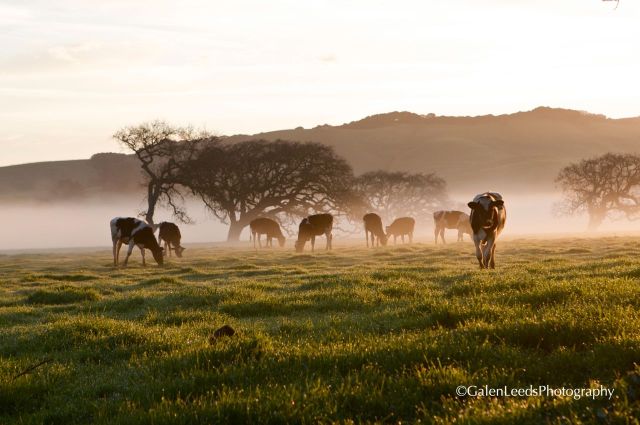
I set out very early one morning to take photographs of some interesting and gnarled oaks, not too distant from where I live (perhaps twenty minutes). Part of what helps add interest to these oaks is that here are cows in the same fields, and they keep the grasses cut down so that the oaks stand out nicely.

I met these cows on a fine, misty morning

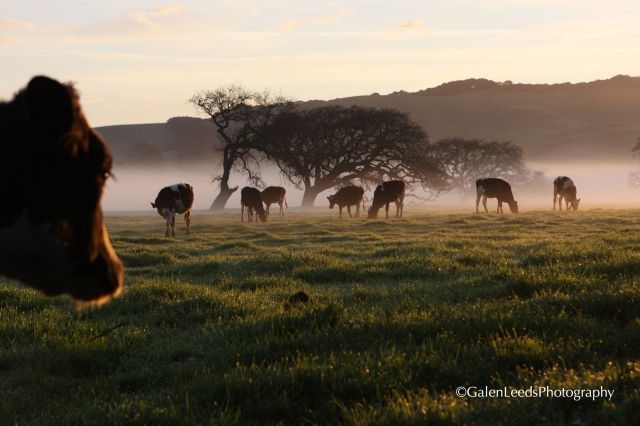
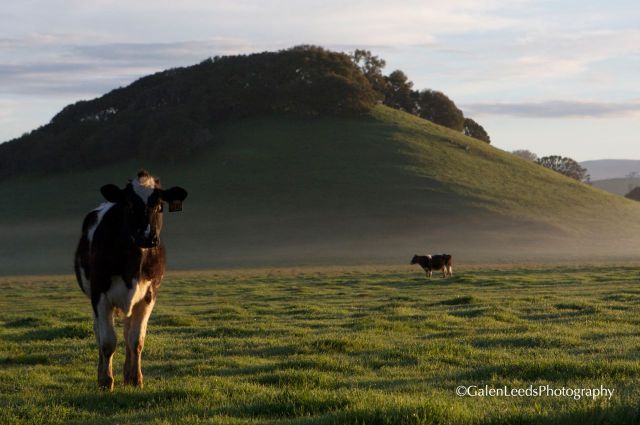
With a crisp, clear light and a gentle ground fog, the cows that helped to shape the landscape, in some cases became the more interesting subject, and I began to photograph them. They were curious and obliging subjects.

This cow was trying to figure out what it was that found so interesting among her field mates

I watched and photographed these ladies for a good stretch of time as they enjoyed their breakfast and the morning sun. I was happy to have found them among the oaks I sought.

Especially with more distant subjects, I like to offset them from the center. It gives better flow

Posted in nature photography, Photo Essay, photography, road side | Tagged , , , , | 8 Comments

Mushroom or toadstool?


I’ve heard that these terms are regional and can vary from mushroom type to mushroom type. So in your mind is the Amanita muscaria a mushroom or a toadstool?

This slideshow requires JavaScript.

This fungus is one of my favorites to come across out in the field, partly because of its bright colors and size. Not something I would try eating however. The side effects can be rather extreme.

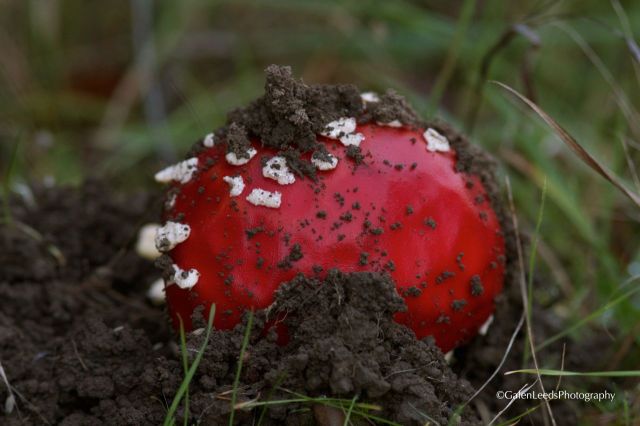
They sprout up from the earth as a ball

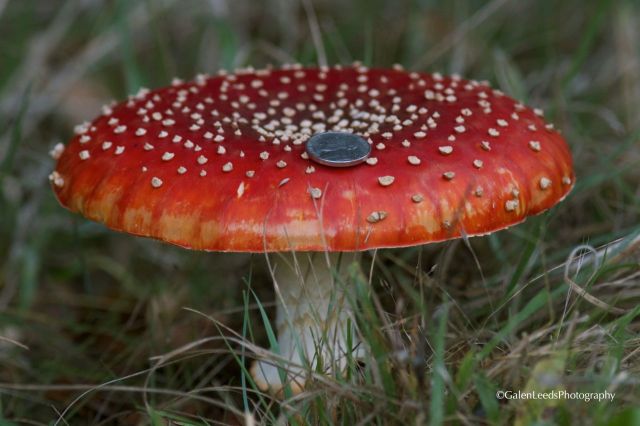
They change shape rather quickly though, spreading out and leaving a ragged edge where the edges of the cap pull away from the stem.

Notice the ring around the center?

These red beauties can really range in size. This is a medium to large size one. I’ve included a nickel to help give it scale. (lost my car key at the time, didn’t realize I dropped it when pulling stuff for scale out of my pockets… Had to hike back a mile or two from my car when I noticed I couldn’t get in…)

Posted in nature photography, Photo Essay, photography | Tagged , , , , , | 7 Comments

White-tailed Kites: An essay in photos


New

This slideshow requires JavaScript.

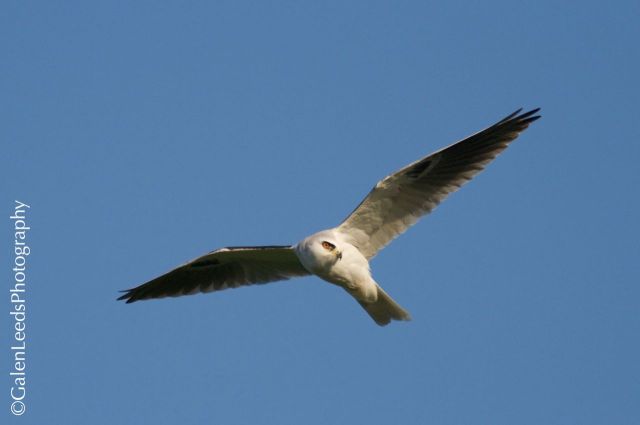
Here on the West Coast of the United States we only have one type of Kite that we see with any regularity- the White-tailed Kite. A small raptor with a hint of elegance about its fluid, sweeping wing beats, this bird is as blood thirsty as any hawk or eagle, it merely goes about its hunting in a more stately manner.

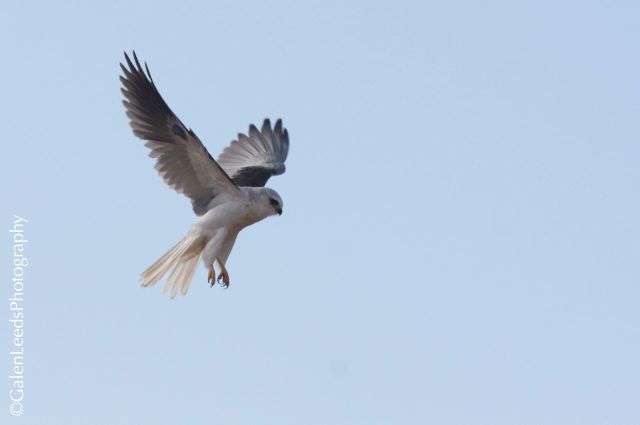
A Kite that is "kiting"

Kites often hunt by flapping their wings in such a pattern they they stay in one spot relative to the ground. It is akin to siting in a tall tree and studying the ground for movement, except they are airborne with none of the branches of the tree to block the view. This method is termed “hovering,” however it is so common to see Kites engaging in this behavior that in many areas it has become known as “kiting.” I know that I learned this term long before I learned any other, and if I saw a Red-tailed Hawk or Kestrel hunting in a similar fashion, I would use the same word for these very different birds.

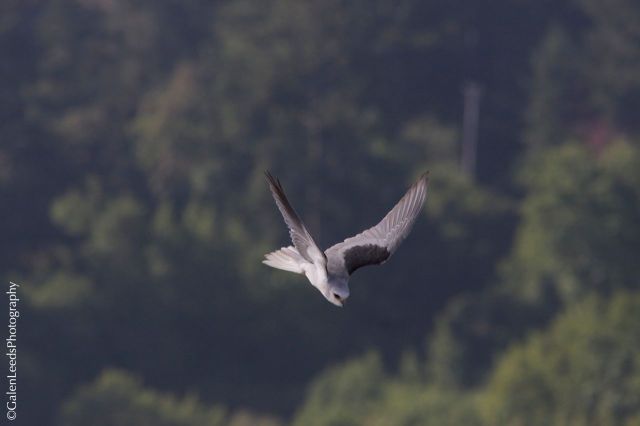
Once prey has been sighted a White-tailed Kite begins a descent where they almost appear to be parachuting, with the wings trailing behind

For a while people tried to change the name to the Black-shouldered Kite. The name however did not stick, and it is still most often known as “White-tailed.”

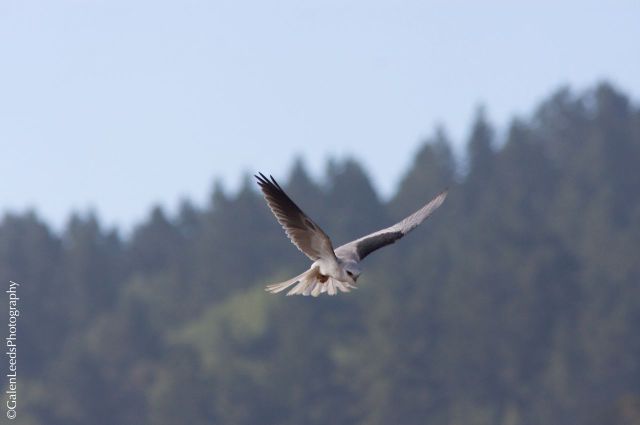
The black shoulders of the White-tailed Kite are rather distinct

They are an easier raptor to learn, because of their coloring and their flight style. Nothing else moves quite like them in the air.

Their red eyes captivate me

If you are lucky enough to see one at close range, try to notice their eyes. A very striking color.

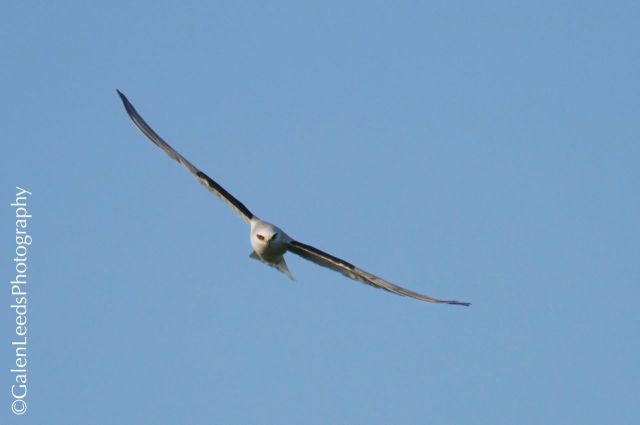
You can just notice the black on the shoulders when you view them head on

Posted in birds, nature photography, Photo Essay, raptors, wildlife photography | Tagged , , , , | 11 Comments