Where to find rainbows (and your best light)


If you are shooting pictures with natural light, try for the best light you can. It is quite simple to find, and through a similar process, you can also find rainbows when the conditions are right.

Know where your brightest light source is (if shooting outdoorswith natural light, this will often be the sun.) Turn your back to it. Stick your hands out to either side, palms forward. Draw an imaginary line shooting out from your fingertips that stretches away to the far horizon. That humongous half circle in front of you will be your best light. Within that half circle you can try for several different lighting effects, keeping in mind the source of light.
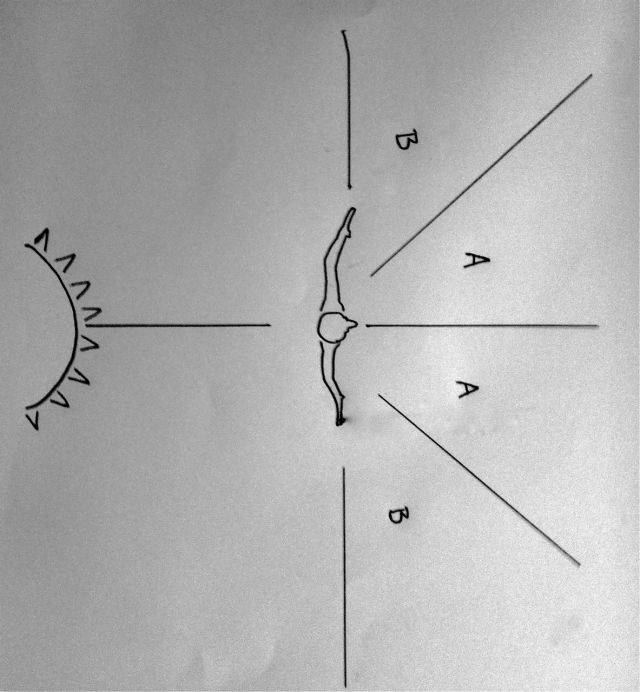
The two A's will have similar shadow effects, just as the to B's will be similar to each other

Divide that half circle up onto four equal pieces- two on the right, and two on the left. The two sides are mirror images of each other (in regards to lighting), as long as the sun is directly at your back. The wedge closest to your hands on either side (B) is where you will have the most fun with shadows, where you can use them to help define shapes. This is the area that will work nicely with rolling hills, ripples in sand, casting a face half in shadow, creating curves on a body, etc. The middle two quarters (A) will be your more even light, with most of the surface being out of shadow, with rich tones.

What is wrong with the light in the other half of the circle, behind the palms of your hands? There isn’t necessarily anything wrong with it, it just won’t make your pictures stand out as well. The colors will be washed out, especially with landscapes that have any distance to them. Objects will also get more and more blocked up with shadows, the closer you rotate towards the sun. You will however have a chance to create silhouettes when you place your subject directly between you and your light source.

How do you put your back to the sun when it is directly overhead? You can’t. If you draw an imaginary line from the sun to your head, stretched your arms to the sides, and figured out where your light would be, it’s everything at your feet. Unfortunately everything is lit in such a way that either there are no shadows, because the sun is shining straight on it that you lose all depth and texture, or it becomes so blocked up with shadows and over exposure, that the pictures just won’t be very exciting. This is a large part of the reason why it is wise to use the morning and evening hours for photography. It’s not just warmer light, but better angles for lighting your subjects and using shadows.

Right about now, you are probably wondering what all of this has to do with the rainbows that the title propounded. Simple. If the conditions are right for rainbows (a mix of sun and rain), it is easy find the rainbow by putting your back to where the sun should be. If you draw an imaginary line from the sun, through your head, the rainbow will be in a circle 42 degrees out from that line. It can actually even be a complete circle if it is raining hard enough, and there are no shadows blocking the suns light. The way water diffracts light will always create the same angels from your place of perception relative to the source of light, placing the rainbow into that same relative space… Which just happens to be part of the area where you will find your best light for taking pictures. (If there is a double rainbow, it will appear at 51 degrees.)
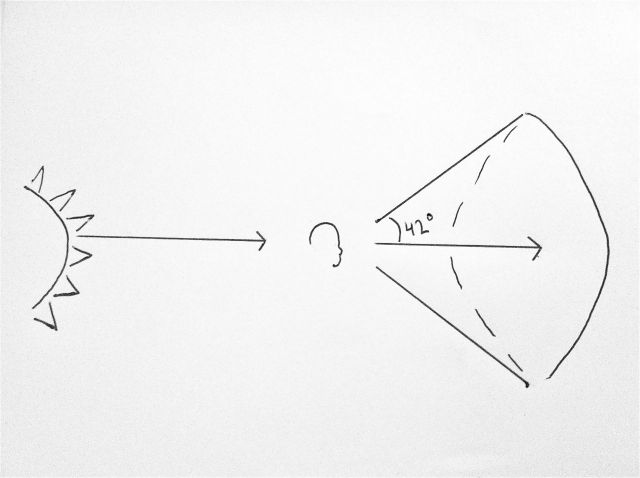
Notice that the rainbow area is similar to the area that separated A from B in the last diagram

It doesn’t matter if it is mist from a hose, rain from a cloud, spray from a waterfall, or dew drops in a spider’s web- it is always droplets of water catching and reflecting light, and water and light are very particular about how they interact. To find a rainbow, turn your back on the sun.

One fun thing about rainbows being an optical effect is that they always appear in the same place relative to you and the sun, so if you move… they move. You can drag them with you to improve the composition of your image (as long as you have enough time before it fades).
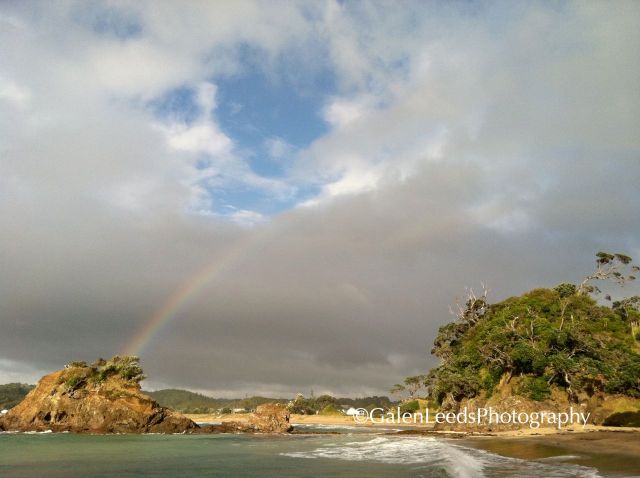
I dragged the rainbow with me until I thought it was emerging from a pleasing spot where I couldn't see many houses
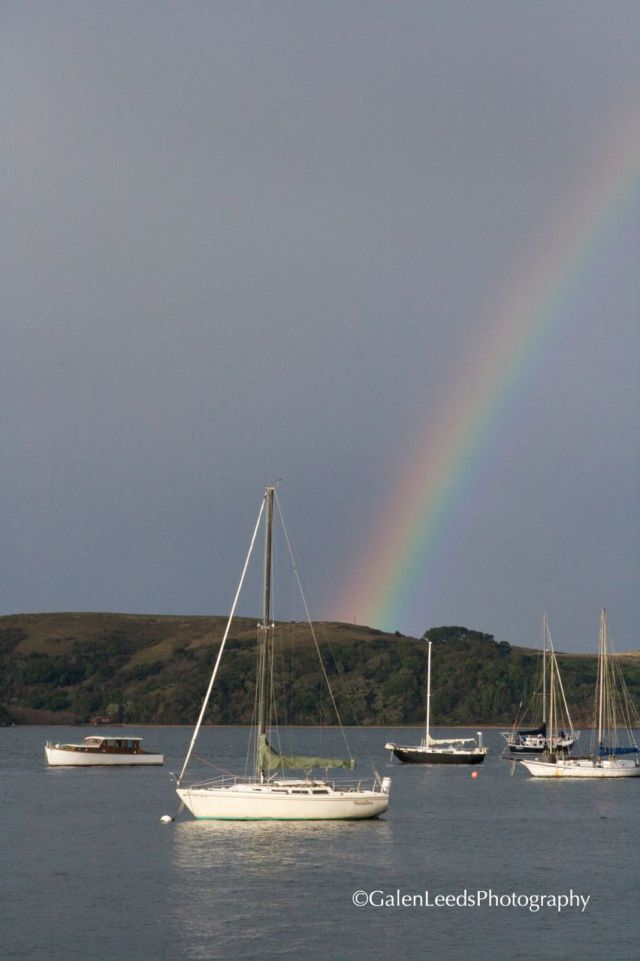
This boat belongs to a friend of the family. I thought it might be fun for them to have a rainbow coming out of it, so I pulled the rainbow with me until it was
Posted in How To, nature photography, photography, weather | Tagged , , , | 9 Comments

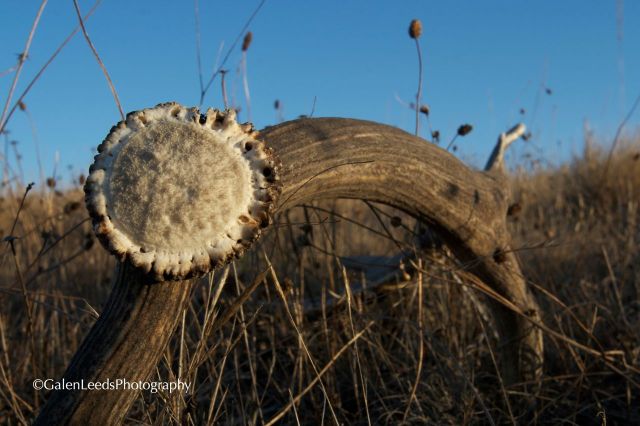
The safe way to approach an elk’s antlers


In reference to yesterday’s post about the dangers of elk and tripods, I have since learned a safe way to approach the antlers of an elk-

A cast off antler found while exploring the Point Reyes National Seashore

Need I say more?

Posted in elk, wildlife photography | Tagged , , , , | 5 Comments

The story of the elk and the tripod


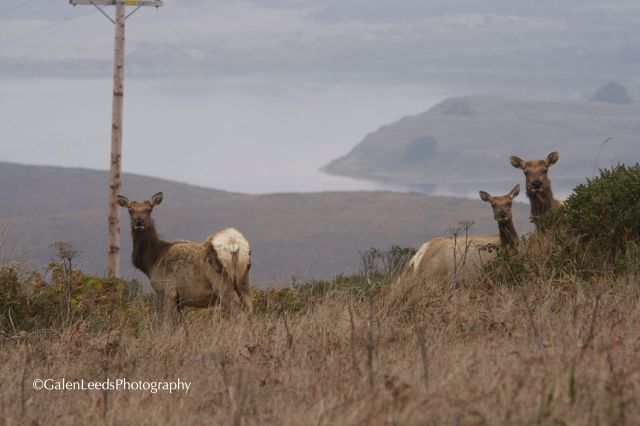
Near where I live, in the heart of the Point Reyes National Seashore, there is an elk preserve. It is thousands of acres and holds somewhere in the vicinity of 400 Tule Elk. Chances are generally quite good that you will see several, sometimes at a distance, but at times quite close. It makes it a nice place to practice wildlife photography, especially if you are newer at the business, as I was several years back.

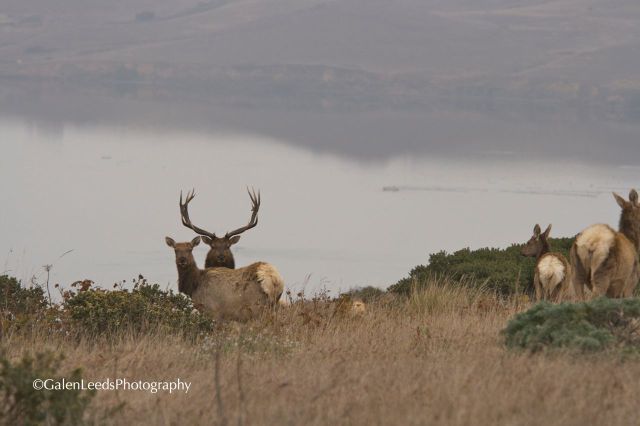
The elk were obviously aware of my presence

When I was driving into the heart of the preserve I came across a group of the elk, a small distance from the road. I decided to get out of my truck and see if I could capture some decent shots of them. Grabbing my camera bag and my tripod, I set out. At first I mostly saw females, and they were aware of my presence. I tried to think then of the best way to approach them without alarming them, that I might get more detailed images, when a book I had recently read came to mind.

I notice a bull elk in the group. Very exciting! Antlers are more dramatic for photos

A photographer had written about traveling in the tundra of Alaska with a guide, and while they were on a hike had seen a herd of caribou. The guide taught the group how to approach the caribou at least a little closer, by working in two person teams and pretending to be a caribou. The person in front would have their arms lifted above their head in the semblance of antlers. They would straighten and bend at the waste, pretending that their upper body was the head of the animal, bending down to graze, the lifting up to look around. The other person would be the back legs, of the beast, and the body. They essentially would lean forward, with their arms holding the other persons torso. The trick was to try and move like a caribou, and hope that their outline would be close enough to reality.

Now I was alone, but I thought I might try to pretend that I was an elk that I might approach more closely. I wasn’t using my tripod yet to take any photos, so it was still rather compact. I spread the legs apart without extending them (so that they were about 40 cm long) and held it upside down on my head with one hand for antlers. I then raised my camera one handed and held it to my eye, pretending it was my long elk snout (I figured it could do double duty- it was disguise and in a position to shoot photos at the same time). I then moved slowly and gracefully as I imagined an elk might, while dipping my antlered head to graze as I went. The result was immediate. They thought I was an elk. Or at least the bull elk did.
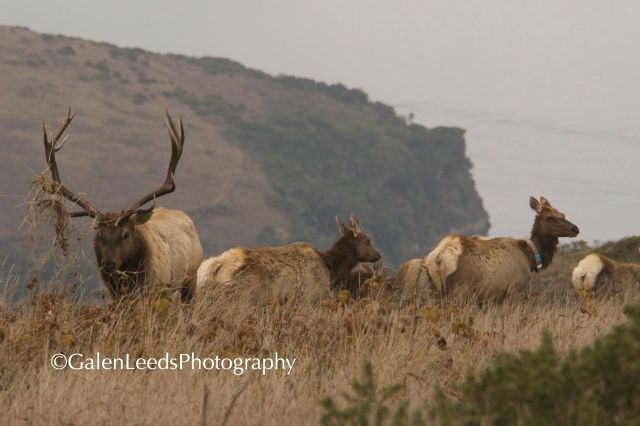
Elk tear vegetation up and drape it from their antlers during mating season to look bigger and show how tough they are. It is an aggressive action and a warning

Immediately upon seeing my “antlers” the bull became very defensive of his harem, and started to tear up grasses with his antlers, while eyeing me with a semi-crazed look in his eyes. I suddenly realized that a single bull with a whole group of females must mean that it was mating season. And the last thing I wanted to be was a competitor of a half ton animal with very sharp, pointy antlers that evolution had trained it to use on said competitor. I promptly removed the tripod from my head and started edging myself behind the suddenly weak looking scrub bushes that were the only cover around… very insubstantial cover that I imagined a hormone enraged elk could easily burst through.
The elk definitely felt and looked bigger in my eyes once he started tearing up the grasses. Likely that was from the fear I was feeling

The females during al of this had not had their eyes clouded by a haze of angry hormones. They’d seen and realized the whole time that I was not an elk, that those were not antlers on my head, and that there would be no mighty battle over them. They decided that they would rather not be around this obviously mentally deficient two-legged thing, and started off in the other direction. They saved me. As they began to stream away, you could see the bull elks eyes shifting. “Destroy” when he glanced at me. Eye shift. A plaintive, imbecile something when he looked towards the females trying to decide why they were leaving him, a big, virile champion. His eyes flicked between me and them more and more quickly, indecision clouding his face… before he ducked his head and docilely followed his reason for being… his harem.

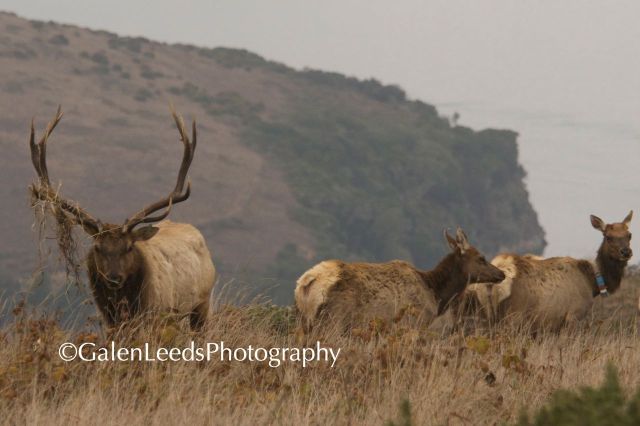
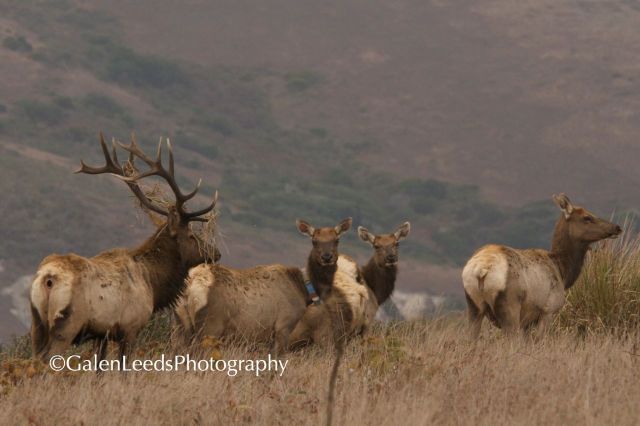
With the grasses still trailing from his antlers, he turned and followed his ladies

Never since that day have I placed a tripod upon my head, except perhaps in a shielded and private place where no elk could spy me, as I told this story to some young innocent with a camera, and wanted them to always be aware of mating season when shooting much larger, more aggressive animals that could leave us as a mangled, trampled pile of clothes and lens.

Posted in elk, Photo Essay, wildlife photography | Tagged , , , , , | 35 Comments

The Elegant Tern of the Seasons (and no, “auto-correct” did not goof the title)


New

This slideshow requires JavaScript.

Orion twinkled above me as I slid my kayak into the water this morning. I clicked off my headlamp and paddled into the slowly brightening day, my paddlerocketing me my gentle paddle strokes easing me into the coming adventure. (I don’t know that I’ve ever been able to paddle so fast that I rocketed along, especially when I am still waking up… and it’s more poetic the second way.) Ahem. Easing me into the coming adventure. I did not know what the day held for me, but that is part of the beauty of waking up.

I headed south and west along Tomales Bay, crossing to the far shor-

*Imagine lots of flowery, elegant talk around here about the quiet of the water, the glory of the sunrise, seeing grebes silhouetted against the rising sun, etc. Just fill in some details- some of them about two really cool Kingfishers that I will be posting about in a day or two- and I’ll zoom ahead to the part about the terns

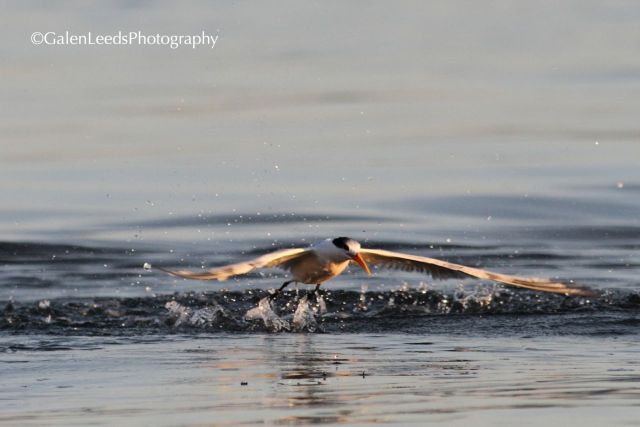
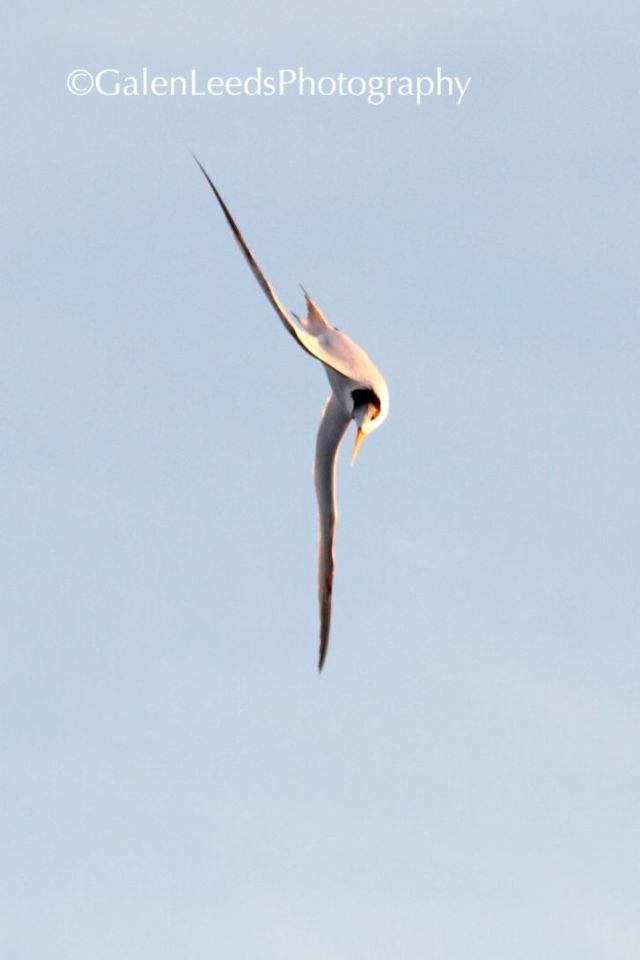
-and I heard a sudden, single large splashing noise ahead. Terns were diving ahead of me, plummeting full body into the calm morning waters. Their fast active wings weaving them agilely through the air, turning them around a single feather at the tips of their wings before a sudden plummeting dive where they would briefly disappear completely before reemerging.

The Elegant Tern emerges from the watery depths of not very deep

Wheeling and circling above me, they cried to one another discussing the fish or the weather or perhaps how bloody cold the water was this morning. A continuos dance, of circling and diving, occasionally scoring a fish, but more often ascending with an empty beak.

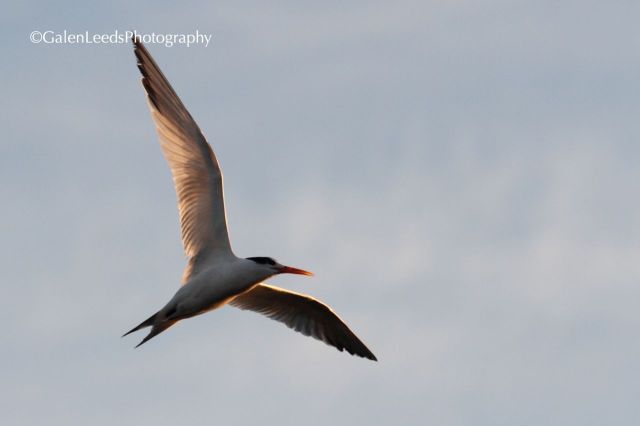
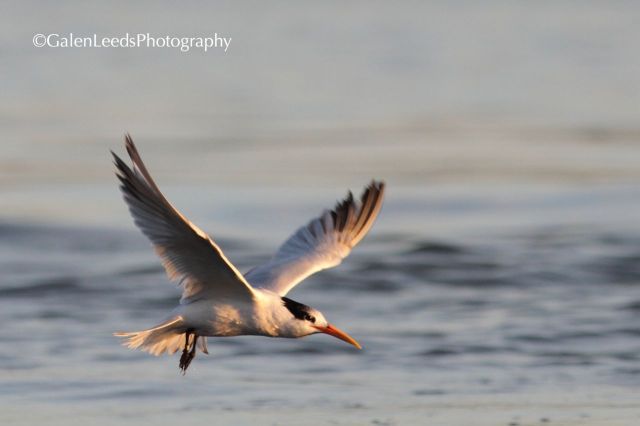
The mornings light lit their feathers in a lightful way

Actually the Elegant Terns, for that is who the birds were are actually pretty elegant, except for their voices. I’ve never heard a tern that had a pleasant song, but I may just be listening to them at the wrong times, or without a terns ear.

A marvelous bird to watch and challenging to photograph at times, as they can be quick to change direction without much warning

I truly gave my autofocus a good workout this morning as I tried to capture these highly maneuverable birds. I feel happy to have captured the images that I did. I can tell that I have not been making it out enough to shoot hi-action images however, as I had more trouble following and focusing on the birds than I have in the past… inspiration to do better and more. My own images push me.

The twisting turn on a wingtip that is a prelude to a dive

Enjoy these images of Elegant Terns, that only pass through in their own season as they migrate to warmer climes, or as they return to their breeding grounds

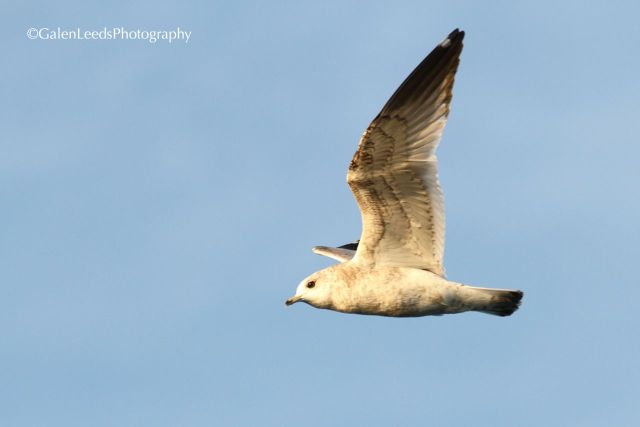
And here is a very non-elegant bird that flew through right after the terns, a first-winter Mew Gull. Notice how unsleek and and inelegant it is, yet fun in its own way?

Posted in birds, kayak photography, Photo Essay, terns, wildlife photography | Tagged , , , , , | 14 Comments

Anatomy of a photo #79: The Wrybill


New

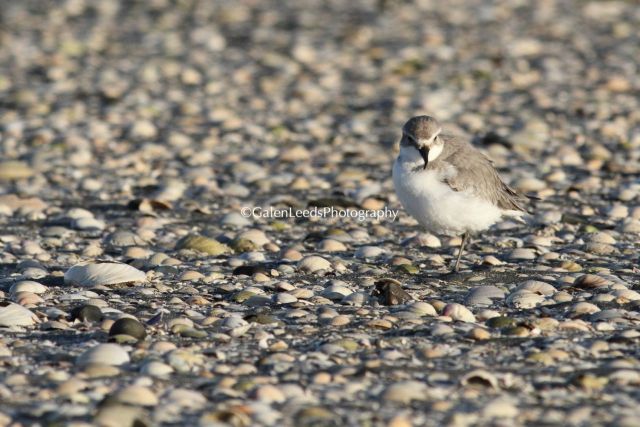
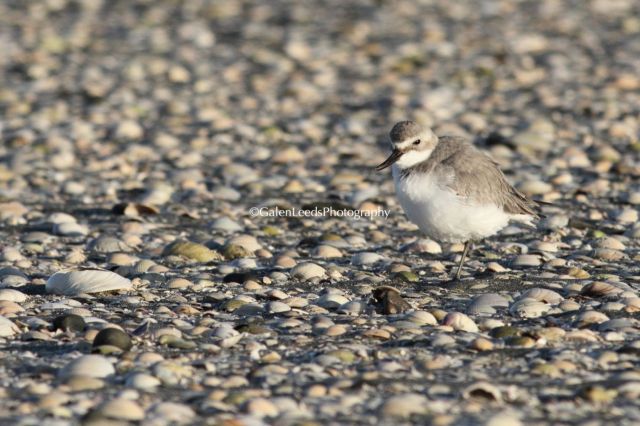
The Wrybill is rather unique in the turn of its bill... neither up nor down, but to the side

I took this photograph during a fairly recent journey to New Zealand (the Wrybill is endemic to New Zealand, and so the best place to go to take a photograph of one is…) I didn’t however go to New Zealand just to take pictures of this one of a kind bird. That was just happy happenstance…happy-stance?…

Before I digress again. The Wrybill is unique in that it is the only known bird with a beak that curves to the side. It is an asymmetrically turned bill, and it always turns to the right. Many birds have beaks that curve up or down, but only one is to the side.

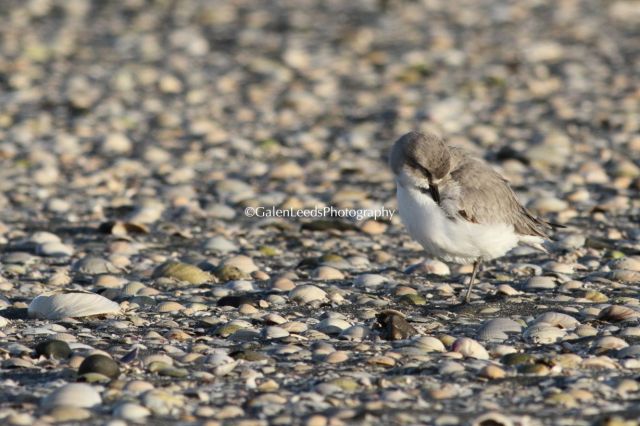
Sometimes the curve is less noticeable than others

The Wrybill is a delightful little plover to see, feeding on the edges of beaches, running up and down the water line. We saw this one near the Miranda Shorebird Center on the North Island, which is near the base of the Coramandel Peninsula. (And is a delightful place for seeing a wide variety of bird life, highly recommended if you enjoy birding or taking photographs of birds.)

I photographed this little feathered wonder fairly early in the day (8 am during late fall), using 300mm’s of lens. Aperture was open enough to give a fairly shallow depth of field to the pebbles on the beach, but stopped down enough that the entire bird would be in focus, at f/9. Shutter speed was a whopping 1/500th of a second as I was shooting hand held, and shorebirds (or waders) can be notorious for quick abrupt movements. ISO was set accordingly. Oh yes, and my knees got very wet taking this shot, as I was crouched down as low as I could be in the wet sand in my attempt to be at least close to eye level of the bird. I took several versions, to capture the bird as it moved around and had slightly different expressions.

P.S. Yes I do realize that I went backwards in my Anatomy of a photo numbering. I got confused, and am now filling in the holes…

Posted in Anatomy of a photo, birds, nature photography, New Zealand | Tagged , , , , , | 12 Comments

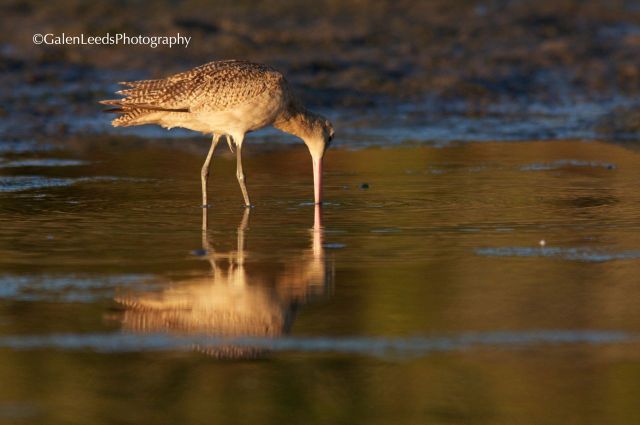
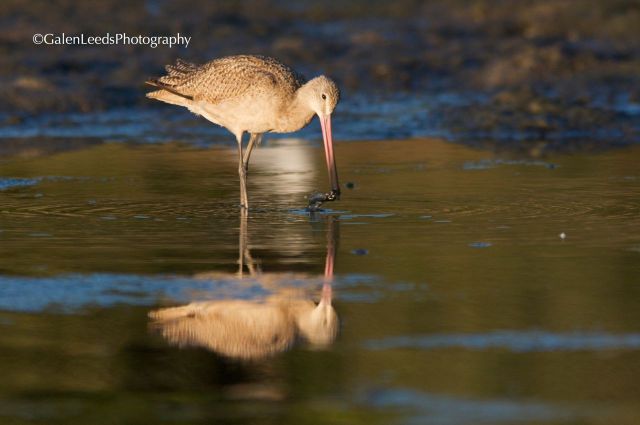
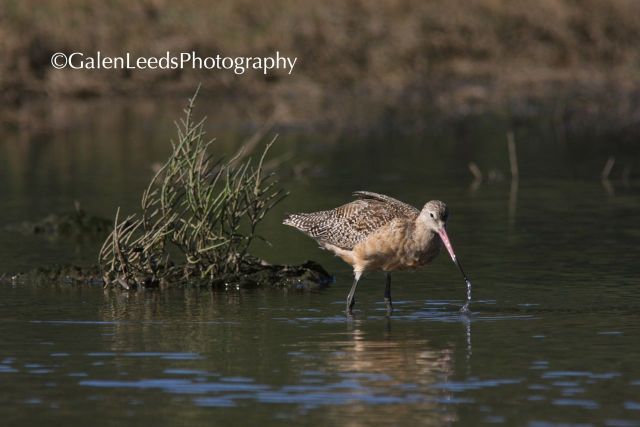
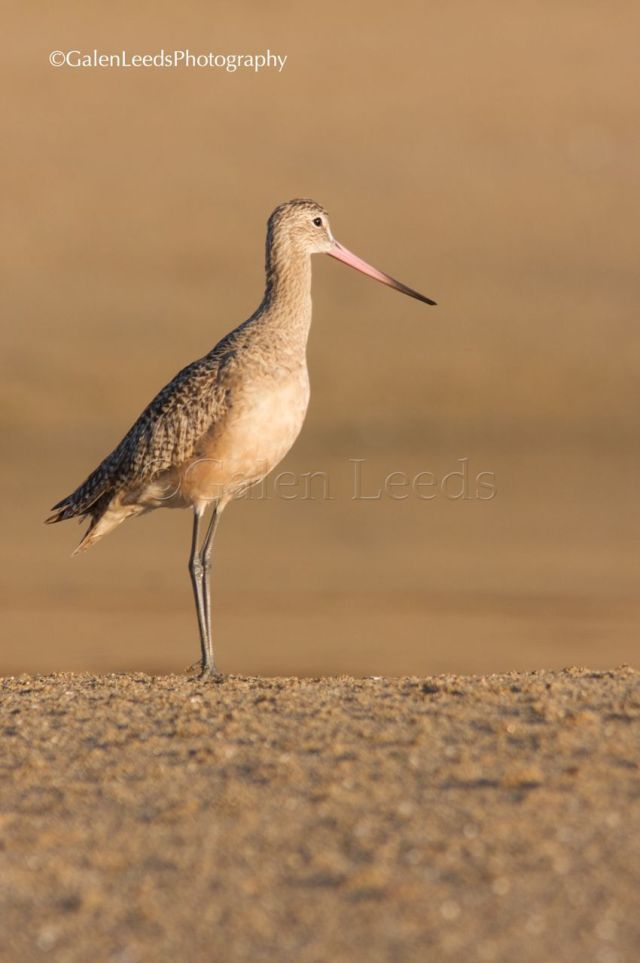
The Marbled Godwit: An essay in photos


This slideshow requires JavaScript.

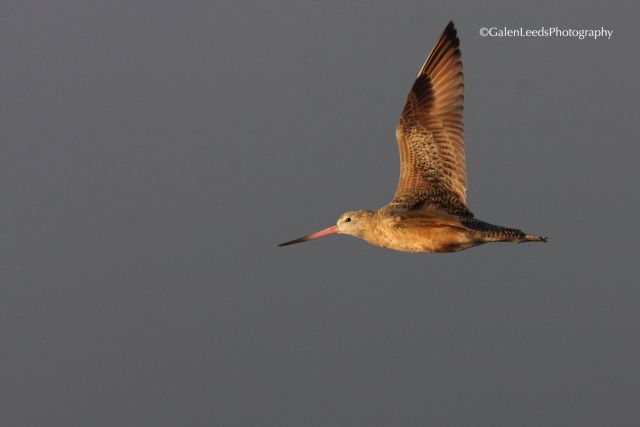
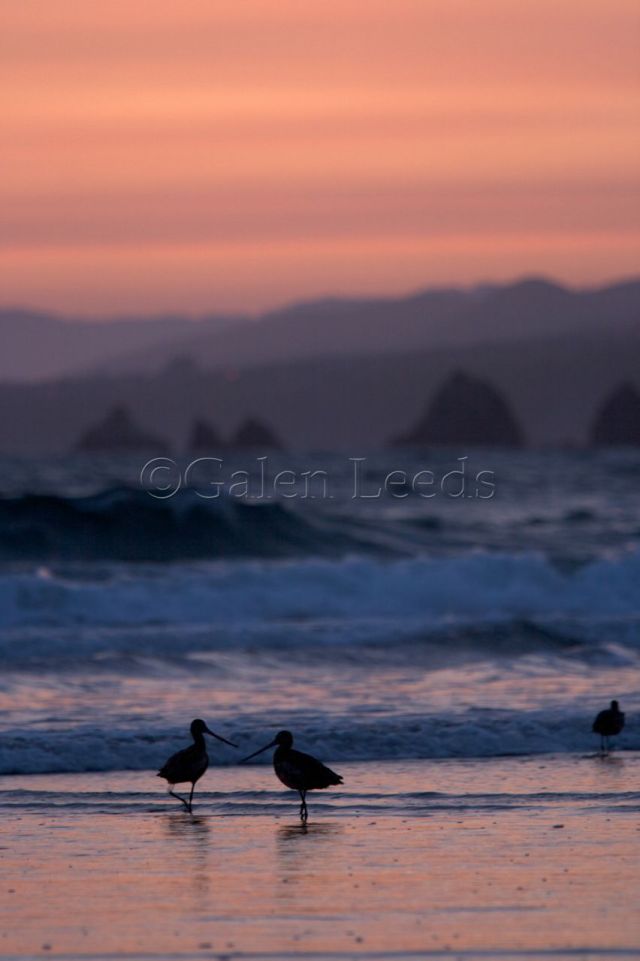
I must begin this with a quick, simple explanations of the birds “interesting” name. It has nothing to do with religion, and everything to do with Olde English. God meaning “good”, and wit or withe meaning “creature”. So the Marbled Godwit is simple a “marbled, good creature.” I am running a bit short on time this morning, so enjoy the photos of these godwits (of which I have many, many more)

The Marbled Godwit is a shorebird or wader

Probing with its long upturned bill for tasty tidbits

A sophisticated bird

Silhouetted godwits. You can tell by the beaks

Posted in nature photography, Photo Essay, shorebirds | Tagged , , , , | 16 Comments

A portrait of Three Young Kestrels


New

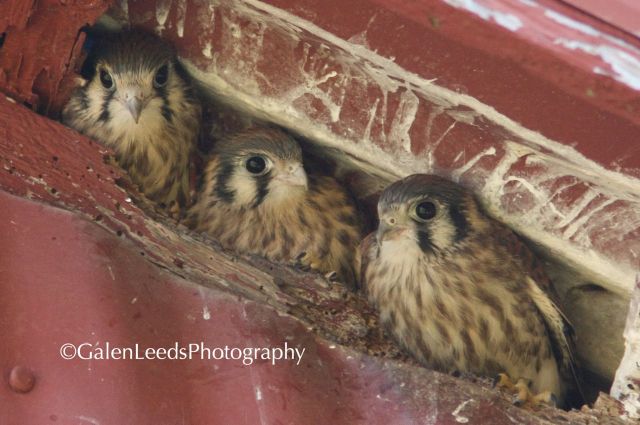
The babes peeking out from the nest

Where I used to live there was a hole in the eave, and it turned out to be the perfect size and shape for kestrels to make a nest in. You see, they are cavity nesters, and like to find a hole of just the right size and shape to make their nests (luckily it doesn’t have to be a huge hole, as they are the smallest of my local falcons). They are well protected this way. Being on the small side for a raptor, they need the help that they can get to stay safe.

As you may have guessed, this gave me some good opportunities to take photographs of the chicks once they got large enough to start poking their heads out of the nest. The year that I took these photos the parents were able to raise three girls. This photo is of those three girls the day before they fledged (maybe in a few days I will show some photos of them fledging…)

Enjoy

P.S. If you want a little help learning to identify kestrels, you can look at these two posts-
Female Kestrels in flight
Identifying Kestrels

Posted in falcons, nature photography, wildlife photography | Tagged , , , , , , | 12 Comments

Anatomy of a photo #80: Helmeted Guinea Fowl


New

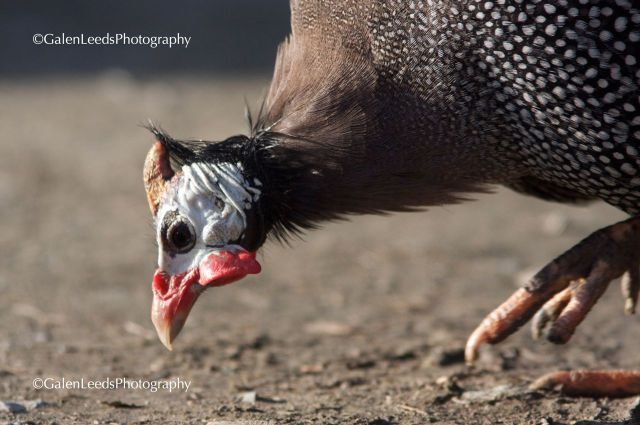
Couldn't you imagine a similar head on a dinosaur?

What does it mean to photograph wildlife? Sitting (or lying) for hours in a hide or a blind? Careful stalking through the woods, practicing woodcraft handed down throughout the generations? Having a 500+mm lens that you cart around in a wheel barrow so that you can get right next to the bird or animal from a mile away? (The tripod needing to be specially reinforced to support the lenses weight.) Yes, there are times where all of this can pay off hugely with some magnificent shots, but it’s not always necessary to always go quite so gung-ho.

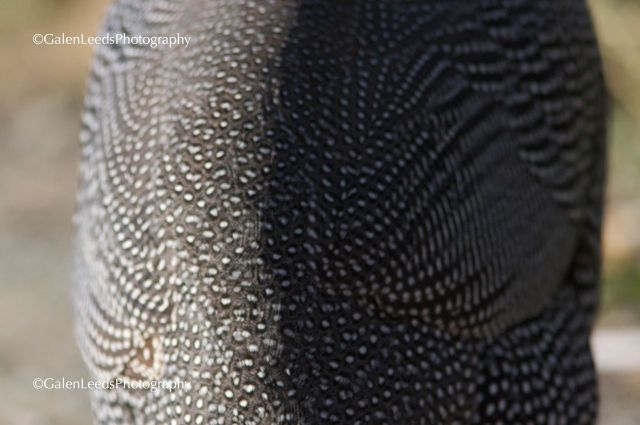
Close-up detail of the Guinea Fowls mesmerizing patterning

In fact, some of out best opportunities to take pictures of birds and animals don’t have to take place too far from home. And not all of the animals will necessarily be totally wild.Taking photographs of the deer that come to visit your yard can land a person some real keepers. And the birds that come to our feeders are still wild. The things that you need to consider when taking these photos is that by the background, you can sometimes tell if they are in a truly wild environment, or in the yard. Of course, sometimes the “wilderness” can be something much less than wilderness. Like when I found this Helmeted Guinea Fowl to photograph

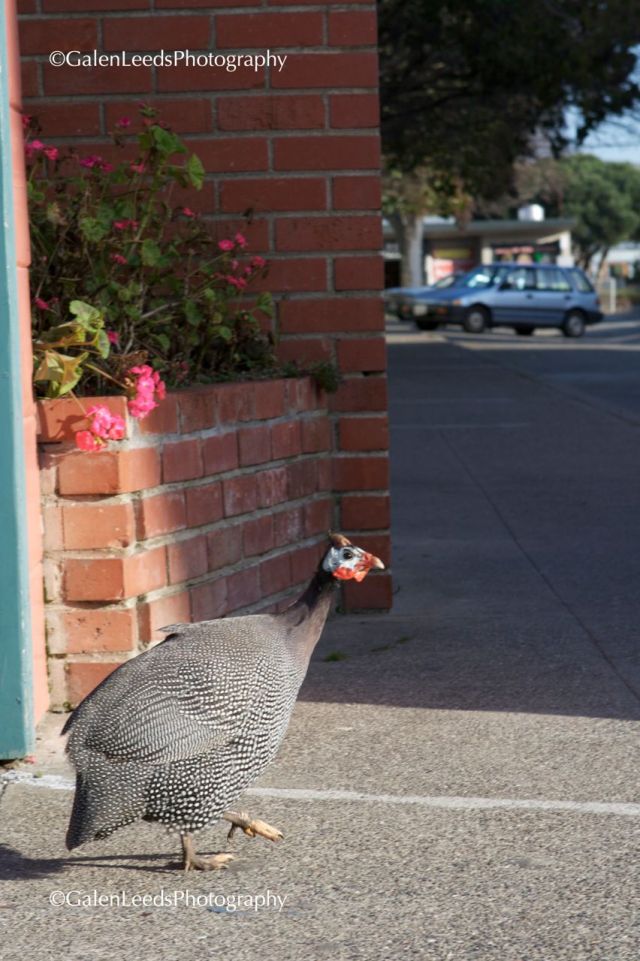
It was wandering down the streets of one of the small towns near me

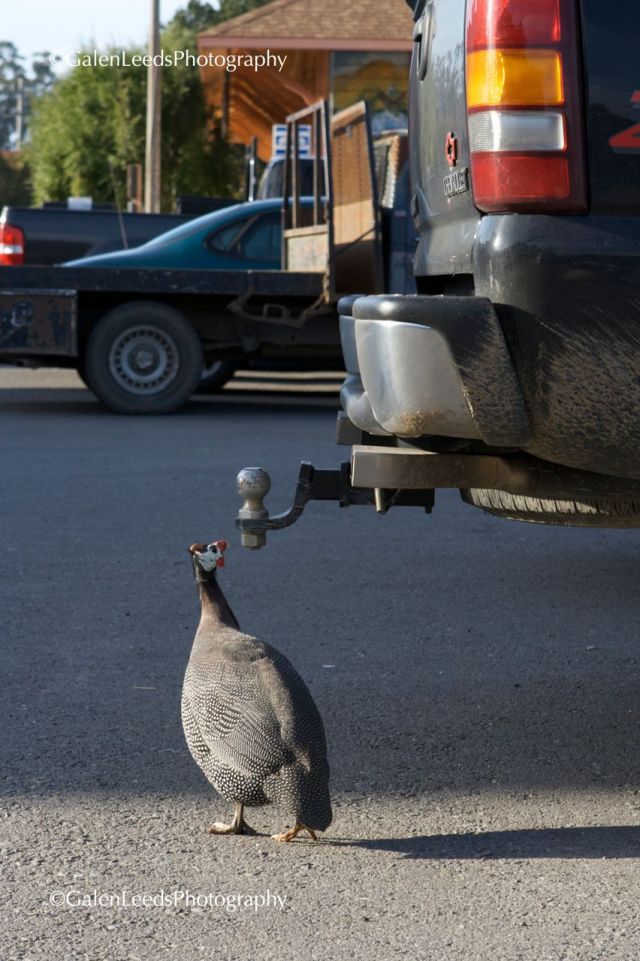
The fact that it had to have escaped from someones yard and that it was obviously in a town didn’t stop me from shooting it (with the camera people). In fact, I rather enjoyed taking a picture of it investigating the trailer hitch of this truck. If I ever did try to use or sell these images to a publication however, I would disclose the fact that it is a domesticated bird. Likewise, if I am ever photographing an animal or bird that is somehow captive (even if only momentarily to apply a tracking band or for rehabilitation) I would still let the buyer know the fact. If by contrast I captured a nice image of a wild bird or deer in my yard, I don’t know that I would feel the need to disclose. They are still wild and being part of nature.

At least more so than this bird which was checking out the local restaurant. Someone actually asked me if it was a wild turkey that I was photographing

I used two lenses for these shots. A 70-200mm zoomed out to capture some of the town, so that people could place where the bird was, and then a 300mm lens with a 1.4x converter (I don’t quite need a wheelbarrow for it) to capture the closeups and details. For the 70-200 I used a slower shutter speed and therefore a lower ISO, since I wasn’t as worried about camera shake with this shorter lens (ISO 200 and 1/160). Aperture was f/8. For the longer lens I was concerned about camera shake, so I bumped ISO up to 400 and my shutter speed to 1/500. I also adjusted the aperture to f/5.6 to compensate for the faster shutter speed, but to also give me a shallower depth of field, since I wanted the focus to fade away from my elected point.

Anyone else out there have contrary or more defined feelings on disclosing how, when or where photographs were taken? Or concerns about disclosing details of photos? There are some things that I absolutely will not disclose, like the location of a nest. I don’t want people flocking to a nest and disturbing a bird when it needs its space or it will abandon its nest. I always want closeup nesting pictures, but I will not disturb the birds to get them (and so have no close up nest images even though I know where there are some magnificent nests).

Posted in birds, ethics, nature photography, photography | Tagged , , , , | 12 Comments

Anatomy of a photo #81: The Least Sandpiper


New

This slideshow requires JavaScript.

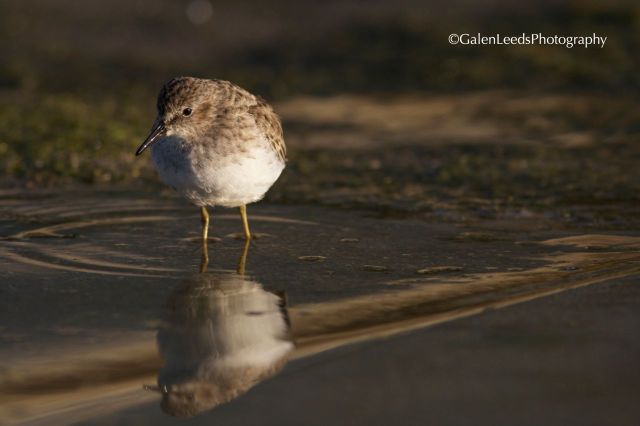
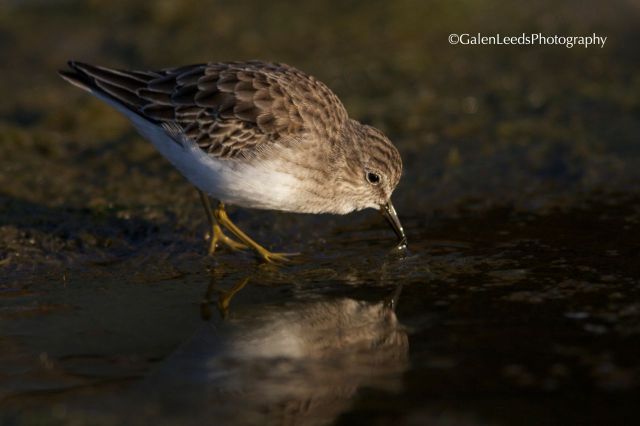
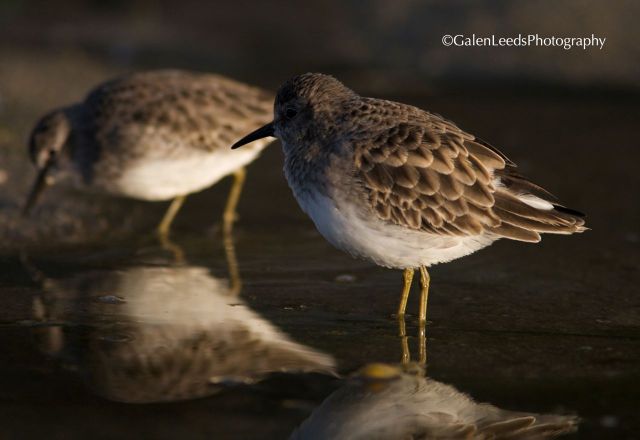
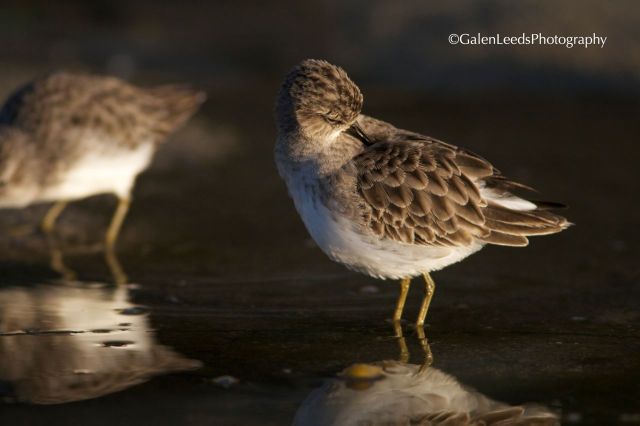
While kayaking one day along the shores of Tomales Bay in the Point Reyes National Seashore, I saw a small flock of Least Sandpipers land, then begin methodically working their way along the line between land and sea. It was easy to see where they were heading, so I paddled up the beach from them and nestled my kayak in the shallows near where they would pass. I know this species of sandpiper, and generally they are more comfortable with a kayaker’s presence than most other birds. I didn’t believe that my presence would stress them out unduly.

The Least Sandpipers landed on the shore nearby

I set my camera up for the pictures I wanted to take before settling down to wait- telephoto lens with the autofocus set so that it could focus nearby (some lenses and cameras have settings so that they can focus more quickly on nearby subjects, but this should be switched back to normal when shooting farther away, or it can actually slow your focusing down). These are very active birds with quick sudden movements, so I set my shutter speed higher as it was more of a priority than the aperture. ISO was set low to keep the image as noise free as possible, since it was a slightly older camera. I fired a few test shots.

As I settled down to wait, I was able to stay very still so that I would not spook them as they neared. Since I knew my camera was ready and my exposure properly adjusted, I studied the sandpipers as they approached, scurrying this way and that. I watched how they moved, deciding what angles I wanted to shoot them from. I hunched down lower in my kayak’s seat. They are a very small bird, so I wanted to be very small that I might be closer to eye level.

One of them splits away, coming a little closer

Click. A shot of several of them together as they pass around a jellyfish that’s washed up on the beach. One splits away, coming closer to me. I track it. Click. It’s reflected on the film of water that covers the sand. It bends down to feed. Click. It’s very close now, walking straight towards me. Click. And then it is too close for me to focus upon as I sit in my kayak, before going by and offering up shots only of its backside.

It searched the seaweed and shallow water for tidbits to eat

I glance to where the others are. Mostly they are beyond me, but there are a few that have yet to pass by. A pair of them comes closer I shoot them. Click. Mostly I focus on the closer one, allowing the other to just be a blurred out second bird. I like this method. It shows that there is more than one, but is still a more intimate portrait by focusing on just a single subject.

The two sandpipers, one focused, the other blurred

I take a few token shots, but I know I already have my best images of them on my camera, and I let out the breath I didn’t even know I was holding.

One of the two was so relaxed with my presence that it took the time to tend to an itch

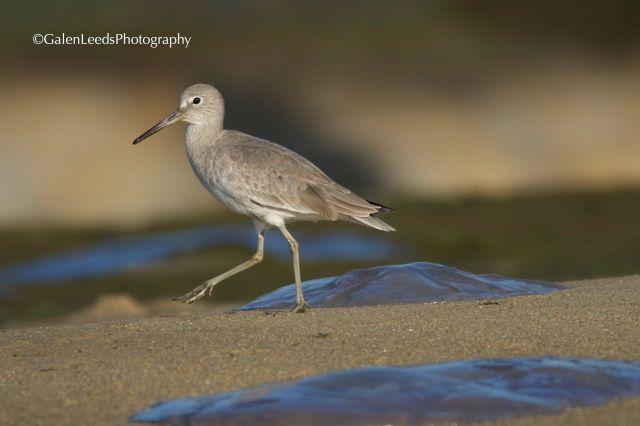
And as a bonus a Willit came wandering by a little higher up on the shore, wandering through some of the jellyfish that had washed up on shore. So of course I obliged by taking its portrait as it high stepped along. (The Willit is a much larger bird than the Least Sandpiper.)

The bonus bird of the session was this Willit

Once they were far enough from me that I knew I wouldn’t spook them, I slid my kayak back into deeper water before paddling on to my next adventure. For more tips try reading Kayak Wildlife Photography Tips and Tricks

Lens 300mm + 1.4x converter
ISO 200, 1/500th of a second, f/5.6

Posted in Anatomy of a photo, kayak photography, nature photography, shorebirds | Tagged , , , , , | 7 Comments

The Peregrine and the Gull


New

This slideshow requires JavaScript.

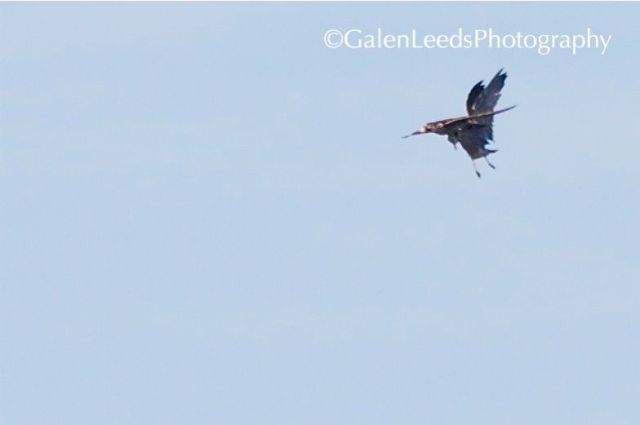
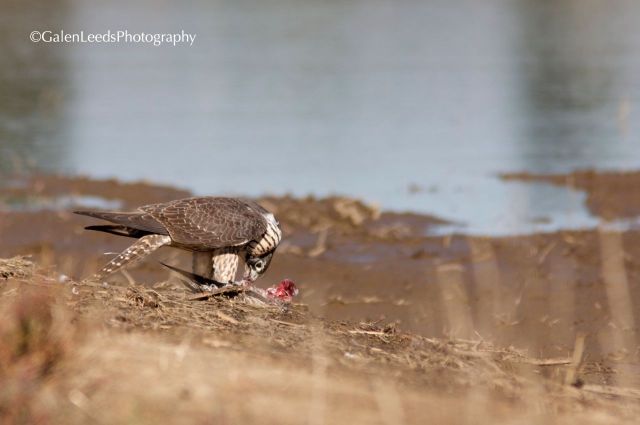
I was paddling my kayak through the Giacomini Wetlands, and I was watching two juvenile Northern Harriers (Marsh Hawk, Circus cyaneus) as they dove and swooped upon each other in the skies above. I lost them for a few moments, as I wove my kayak around some of the pickleweed that had begun springing up. When I looked back up…

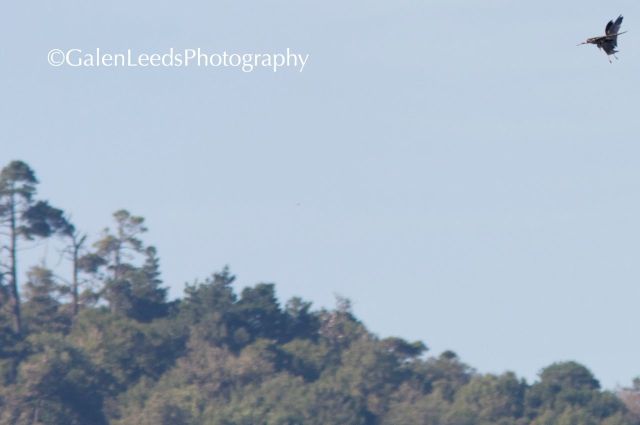
I saw this in the upper right hand corner. What I thought were the two Harriers locked in mortal combat

I had enough time for several photos, but in most of them the birds were lost against the forested ridge and too hard to make out. When they were out of sight, I zoomed in on the back of my camera to see what I might have captured

It was blurry, but looked a little something like a bird with four wings. I wasn't really sure what it was that I was seeing

It looked like whatever it was, two Harriers tumbling to earth while locked in combat or something else had descended to a point half a kilometer or so away. I began paddling towards where I thought they may have ended up, when I decided that I had better circle wide around them so that I would have the sun on my back for when I came across “it.” I wanted to make sure that I had the best lighting for any photographs that I might end up being able to take. I was in the wetlands documenting the different species of plants and birds that had moved in since the Point Reyes National Seashore had restored them a year or two earlier. This seemed like something that needed documenting (isn’t it great when you can come up with an easy excuse to take photos?)

What I came across was this-

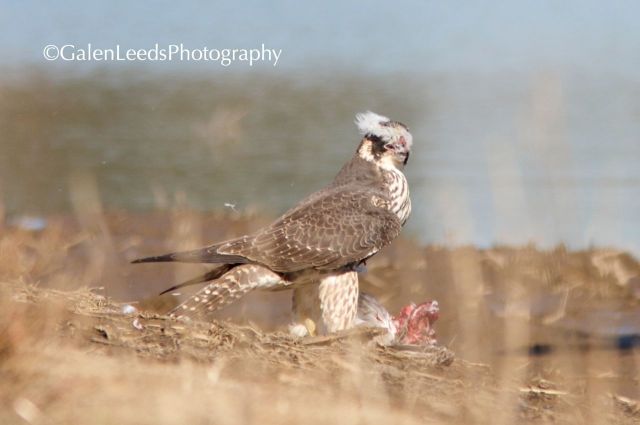
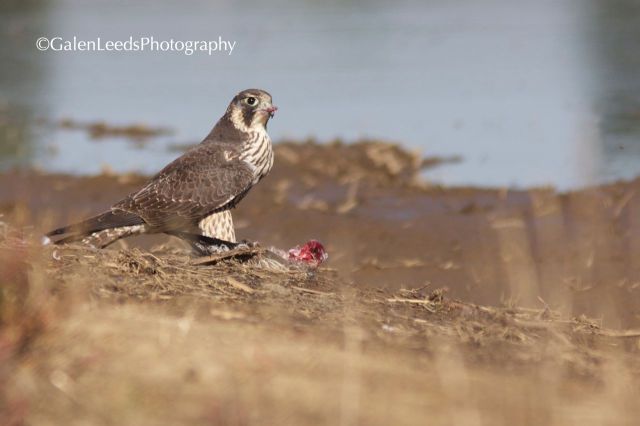
A juvenile Peregrine Falcon devouring what looked like a large juvenile gull

I hadn’t seen two Marsh Hawks tumbling from the sky. It was a Peregrine descending to earth with a large Western Gull that she had killed hundreds of meters up in the air. She was greedily devouring the gull, tearing off fluff and swallowing chunks of flesh.

Happily tearing off chunks of steaming gull meat

I had beached my kayak and crawled through marsh plants and grasses to where I had a good vantage of the falcon eating its late breakfast, while remaining mostly hidden by the sparse vegetation of the wetlands, and a small rise.The peregrine was sitting in the open, so was constantly looking around for predators or other raptors looking to steal its kill.

One nice thing about the falcon looking around is that it made it seem to be looking at me

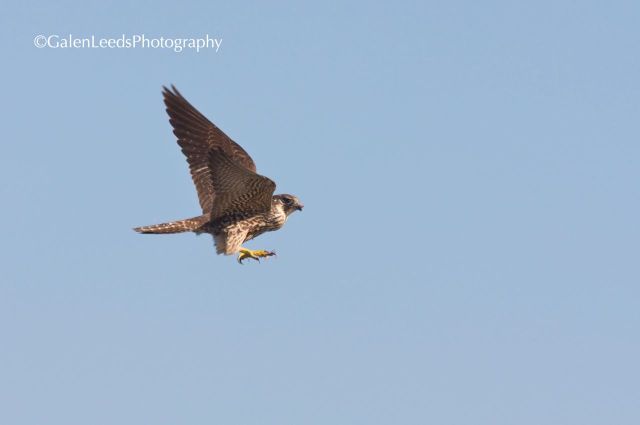
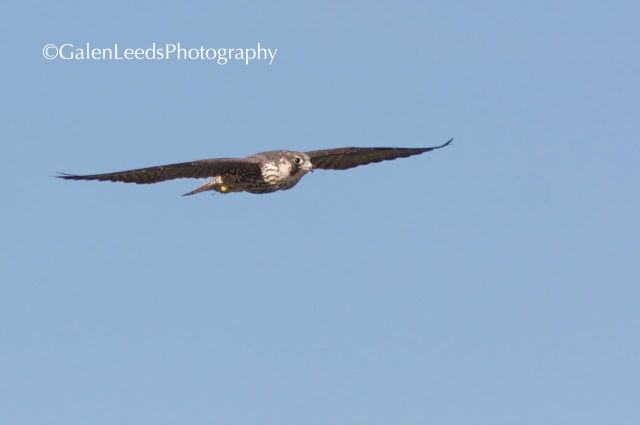
After a while it took wing, and began circling on the updrafts, either to digest what it ate, or to hunt some more… although I don’t think it was too hungry after eating most of a Western Gull.

Look at that bulging crop. Not much space there for more food for a while

This Peregrine is likely of the Tundrius race, judging from both its size (large enough to take out a very large gull and descend to earth with it), and because of its darker coloration. Either way, it was a beautiful bird, and I feel lucky to have seen it plummeting to earth from on hi with its feathered morsel.

A beautiful bird the Peregrine Falcon

Posted in falcons, kayak photography, My favorite Parks, nature photography, Photo Essay, photography, wildlife photography | Tagged , , , , , | 8 Comments

The Walking Loon


New

This slideshow requires JavaScript.

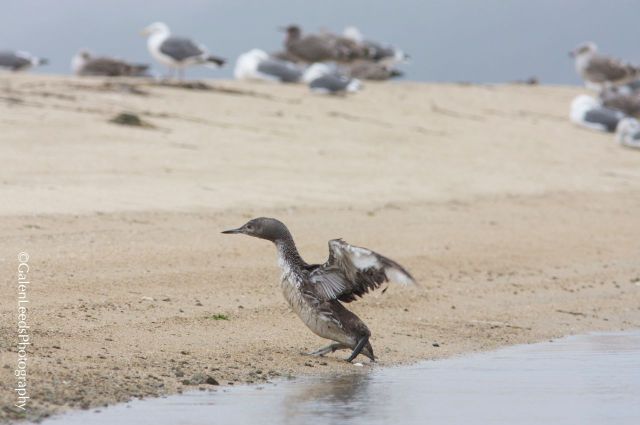
It sounds like the name of a micro-brew beer or a smaller wineries label, but it is actually something that grudgingly happens in nature. You see, loons aren’t really made to walk. Their build… not designed for walking. Ponderous ungainly flying… sure, they’re pretty good at that. Agile, vigorous swimming… they’re better at it than many of the fish that they catch and eat. Walking though… judge for yourself from these photographs of a Red-throated Loon-

The Red-thraoted loon, like all loons is very at home floating on the water or swimming below the surface

I photographed this Red-throat one day while I was kayaking on Tomales Bay, taking pictures of a yellow-billed Loon, one of the more uncommon loons that we find here on Tomales Bay (or most places for that matter). I find the Red-throats to be very beautiful though, with their more delicate, slender lines, and since they were near each other I took advantage by photographing both as I drifted in my kayak.

It looks fine right here, as it is first emerging onto land

As I was watching the loons they decided it was time to head onto the beach for a little rest. And I saw one of the more ungainly attempts at walking that I had ever imagined.

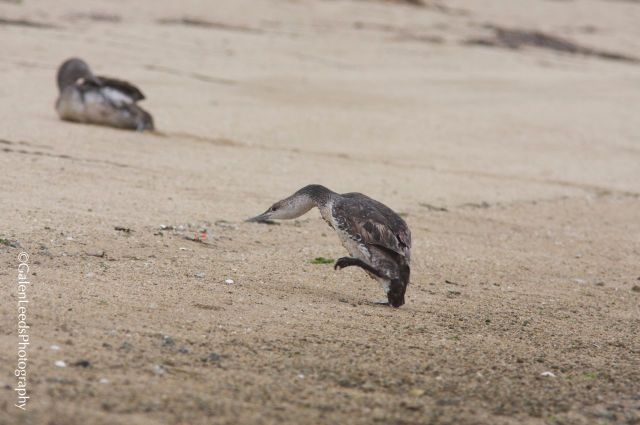
The head drops down and sticks out ahead as they attempt to balance on a body that was made for swimming

They burst into this shuffling sort of run, where they work to keep their feet underneath them, as their body balances too far forward on legs that were set too far back (for swimming). If they stuck to a slower pace they would land one their… do birds have chins? Not really, but it just doesn’t sound the same to say that “they’d land on their beaks.” Their bodies weight carries them forward, and their feet struggle to stay under them.

You can see the Yellow-billed Loon has already retreated to the beach, and is laying there in the background

They work so hard, and put so much effort into making it just a few feet up the beach. I’ve never seen another bird that looked so alien to land, as the loon when it tries to walk. Please, never approach a loon that is lying on the shore. If it is there, it is for a reason, and it needs its rest. It costs them so much to get there, that it would just seem cruel to chase them back into the water.

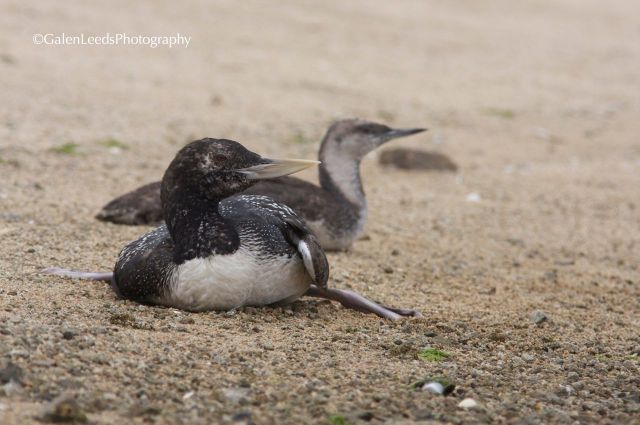
At least when they lay there on the sand (they don't stand, only lay) they look more comfortable. The loon in front is the Yellow-billed

Posted in kayak photography, loons, nature photography, Photo Essay | Tagged , , , , , | 6 Comments

Bath time: A feathered adventure in photos


New

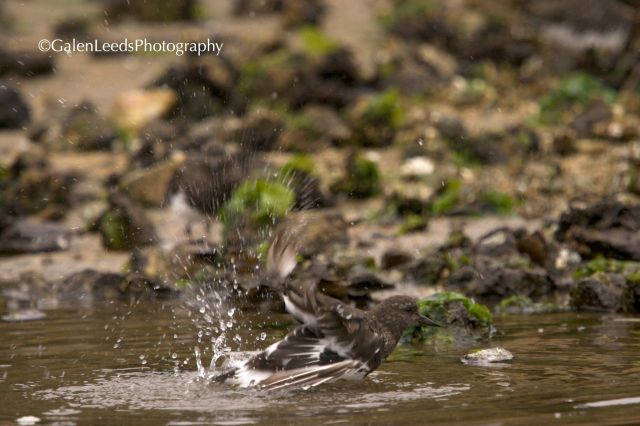
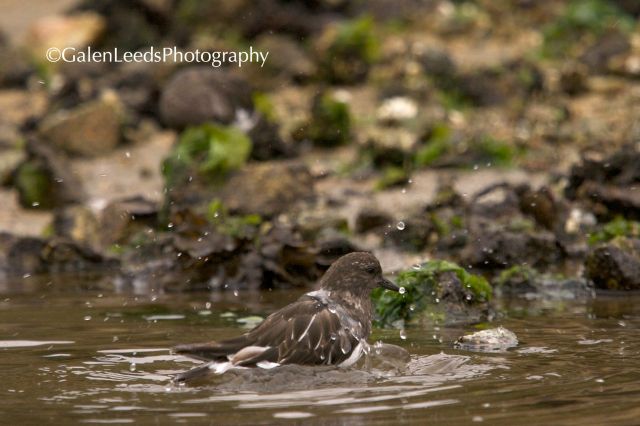
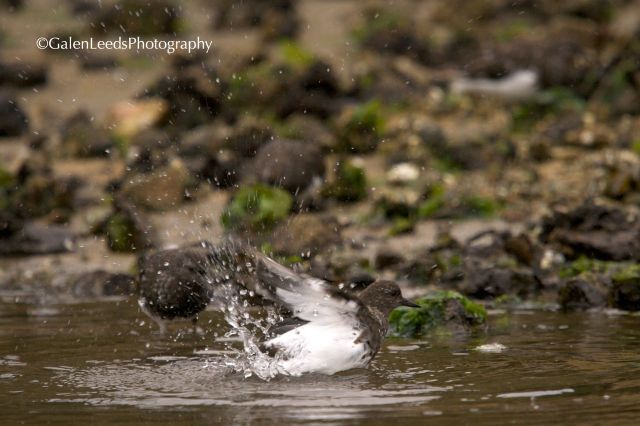
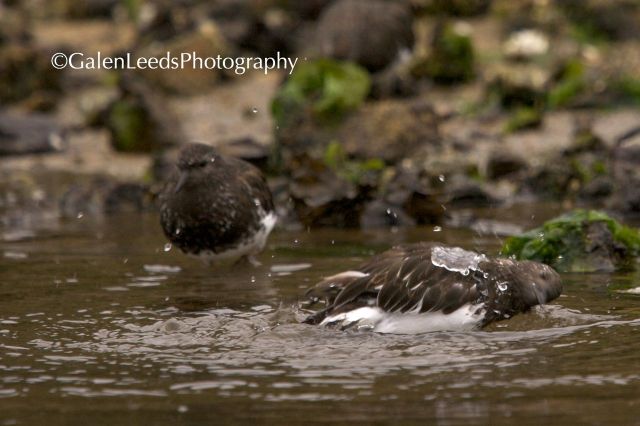
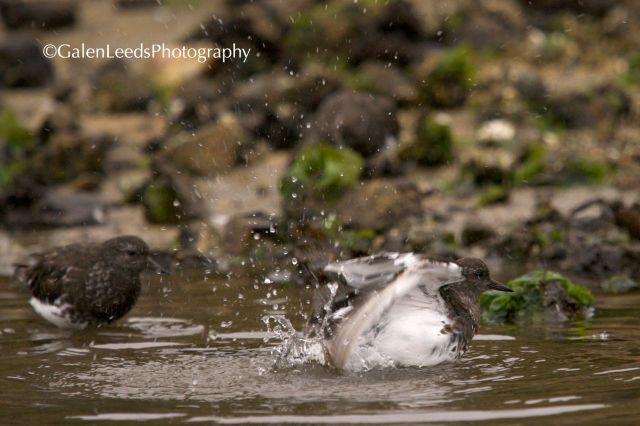
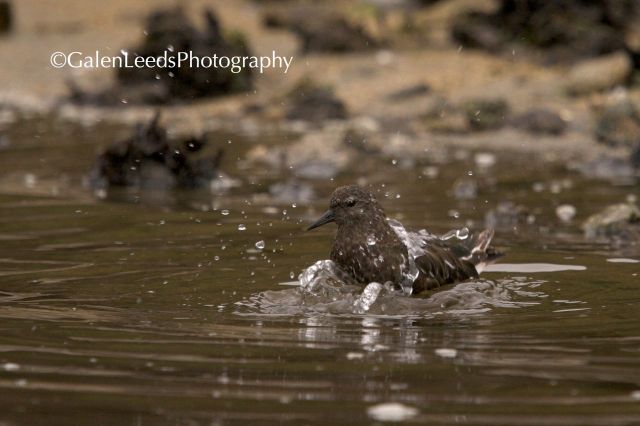
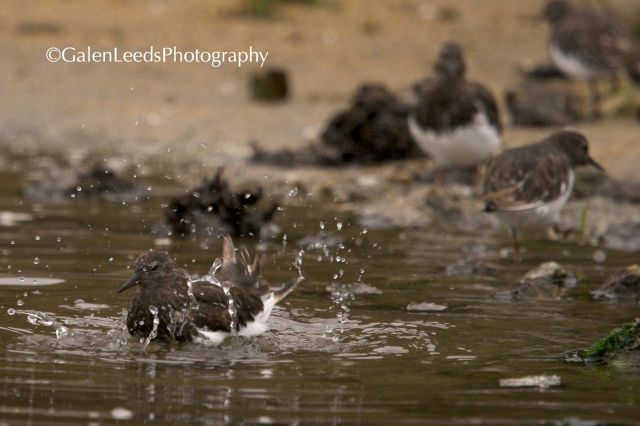
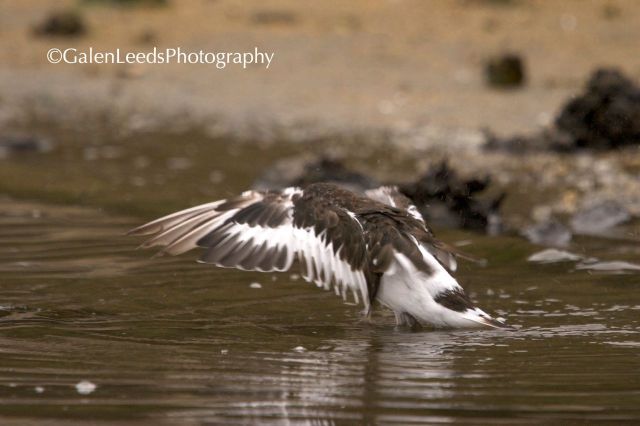
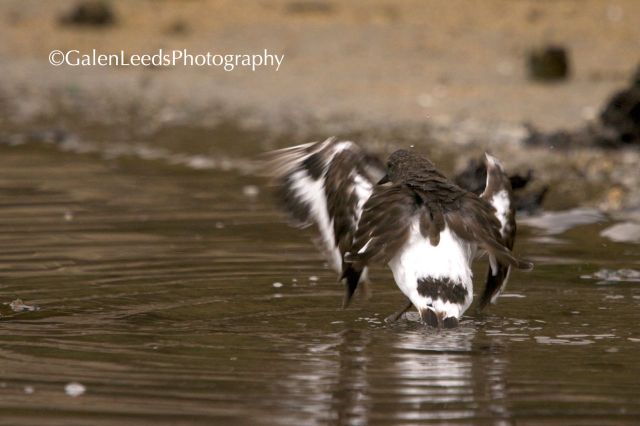
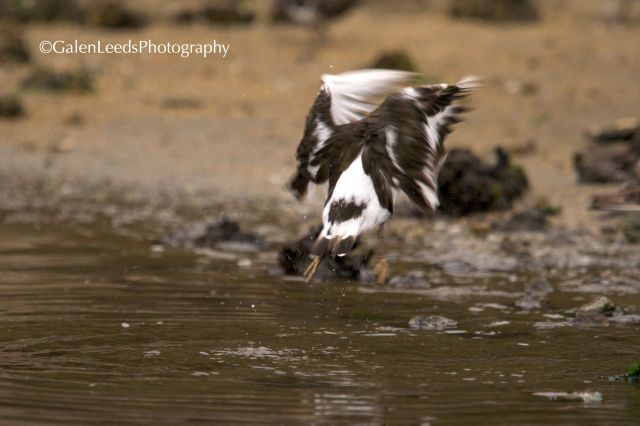
Today’s post is simply a fun series of images of Black Turnstones (a shorebird that we commonly have here on Tomales Bay) taking a bath. I captured these photographs from my kayak on a grey and foggy day.I don’t know that here images need many words to go with them, so for today… just enjoy the show

Posted in black turnstone, kayak photography, nature photography, Photo Essay, wildlife photography | Tagged , , , , , | 8 Comments