Osprey’s catch of the day


Sometimes the images that are the most fun, aren’t always the best pictures. This series of an osprey, while a lot of fun (and much commented upon,) is not actually the greateset show of technical photography. I’ve cropped them way in and adjusted the exposure a little. They are fun to look at, but won’t print at a very large size. They are good for the web where things are more show and tell, and to be sure, I am so excited by them that I will keep showing them.

Enough said, enjoy the show.

This slideshow requires JavaScript.

Posted in birds, documentary, kayak photography, marine life, nature photography, photography, wildlife photography | Tagged , , , , , , , , , , , , , , , | Leave a comment

Shorebirds of Tomales Bay: Scrub Jay (video)


This is the very first video I tried making on my new SLR body. You can tell. I don’t have much of a handle on the technique, but the subject matter is fun.

I spend a lot of my time kayaking and photographing on Tomales Bay. Among the myriad waterfowl, shorebirds, pelicans, ospreys, and cormorants, we have a few birds that like to pretend that they too are shorebirds. Among them are the Song Sparrow, Hermit Thrush, Black Phoebe, and the energetic Scrub Jay (there are others, but I won’t bore you with too long of a list.) This video is of the Scrub Jay.

Enjoy

Posted in birds, kayak photography, nature photography, SLR, wildlife photography | Tagged , , , , , , , , , , , , , , | 3 Comments

Focusing on portraits: Animal and otherwise


Portraits of animals are more than simply pictures of animals. They engage the audience.

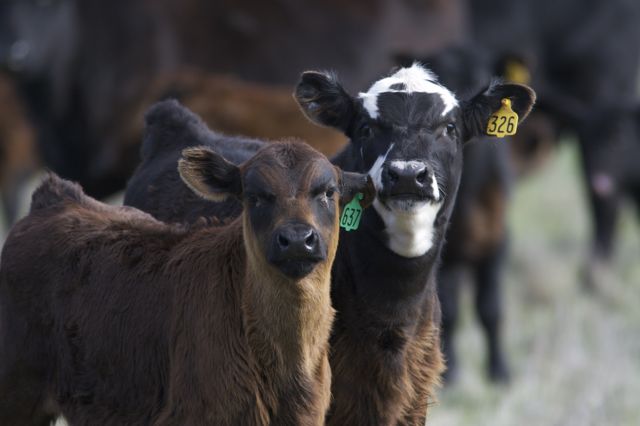
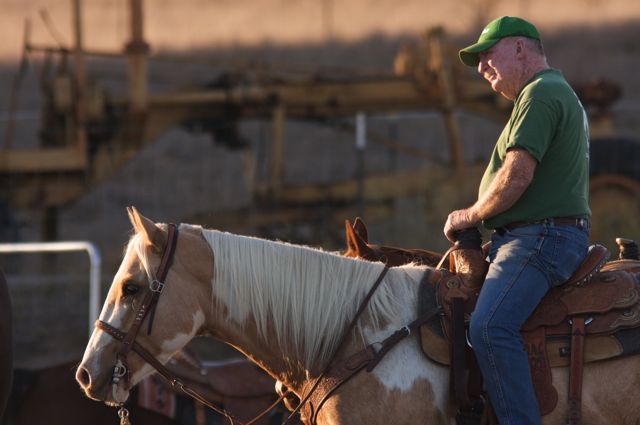
A portrait tries, with a single snapshot in time, to tell a story. This is true, whether the image is of an old ranch hand, a cow, or a wild animal. Usually this will be a tightly focused image, where the subject has a large, strong presence in the frame.

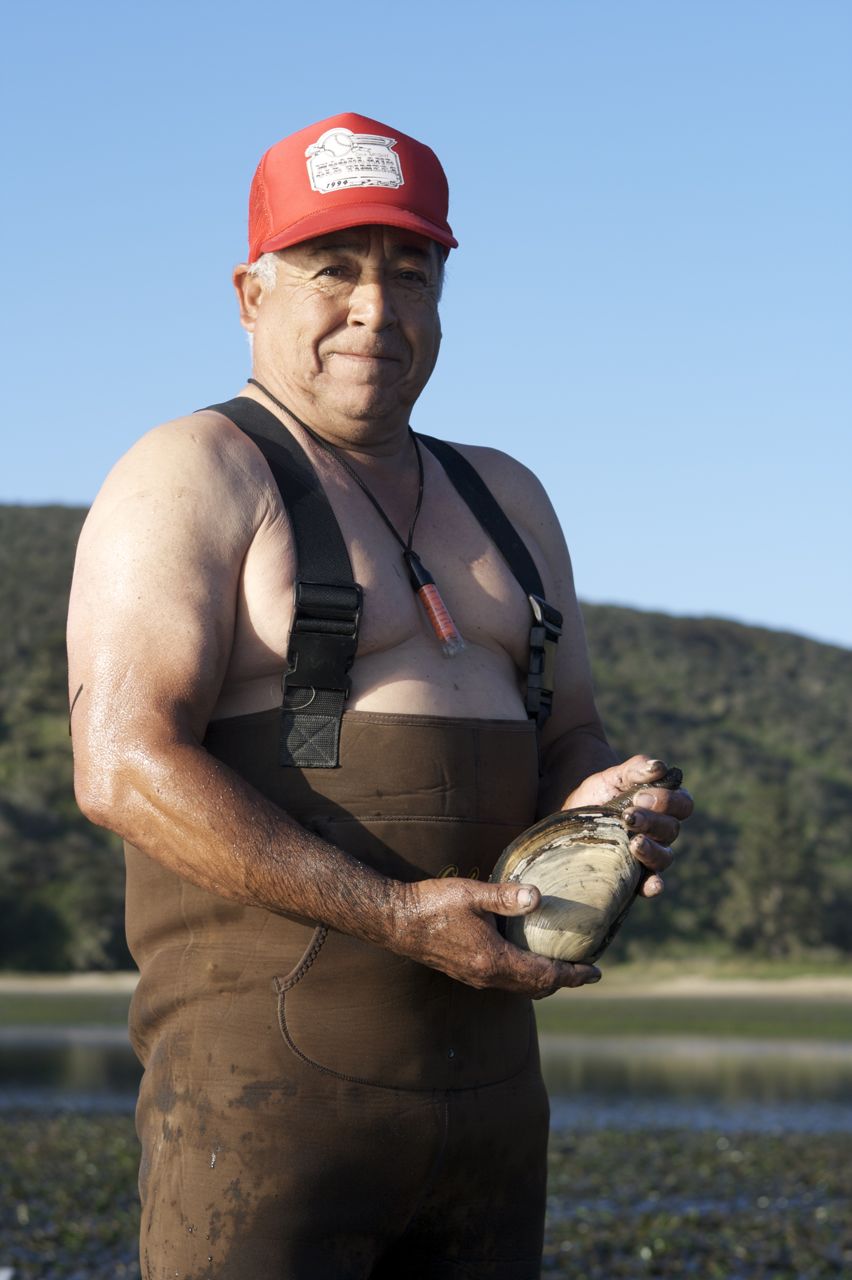
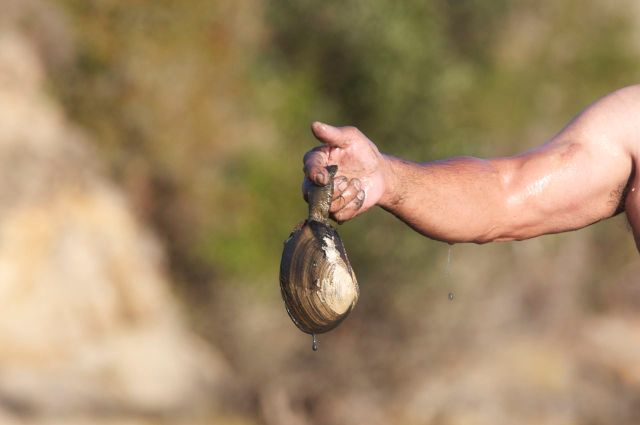
Notice how the focus is all on this man and the clam he's holding in his hands. The background is just seen enough to tell you that he is at the water.

A portrait is not all of the details of a life or event, it is a moment when you’ve grabbed onto the essence of someone or something. It creates and captures a thought, a feeling. It can be a whole image or a zoomed in, focused down part. Usually the face, the head, the eyes play a strong role, because this is where we look for thought, expression. This is the part that speaks most to us, the part that connects us.

Focus in on the eyes. Make them clear and sharp, bring them out in the portrait. Try to arrange the image so that you can see light reflected in the eye. Position yourself in relation to them so that there is some natural light there. Watch them, so that if they shift their head a little, move their eyes a little, you will be ready when something flashes in there. You can always use a flash to get that light in the eye. It can be photoshopped in after, but it’s better, more honest to the subject of the picture if that light was really there.

Engage the person you are photographing in a conversation about what is important to them. If they are speaking about things that matter to them, it will animate them, give them expression.

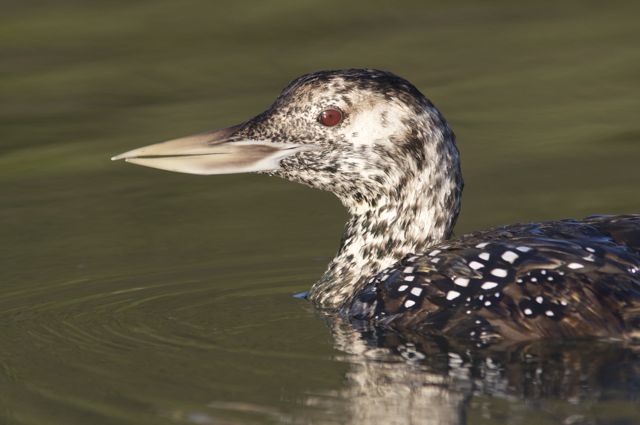
This Yellow-billed Loon knows I am there, but I am not threatening it. We are engaged with each other, we've established an understanding of sorts

If you are taking a picture of a wild animal, engage that animal, by discreetly, and non-threateningly letting it know that you are there. Let it see a little bit of movement, but a movement that is not directed toward the animal, but that shows your attention is focused somewhere else.

Blur out the back ground, or have a neutral background, UNLESS that back ground is part of the story- cowboy with a horse or saddle, or an old woman with a quilt she sewed. Don’t let the background take over the subject though. Keep your focus, and direct your audiences attention. To blur the background, either use a very fast lens, or a longer lens so that you have a shallower depth of field. Keep the aperture open, instead of stopping it down. The shallower the depth of field, the more you can direct the observers attention to your points of focus.

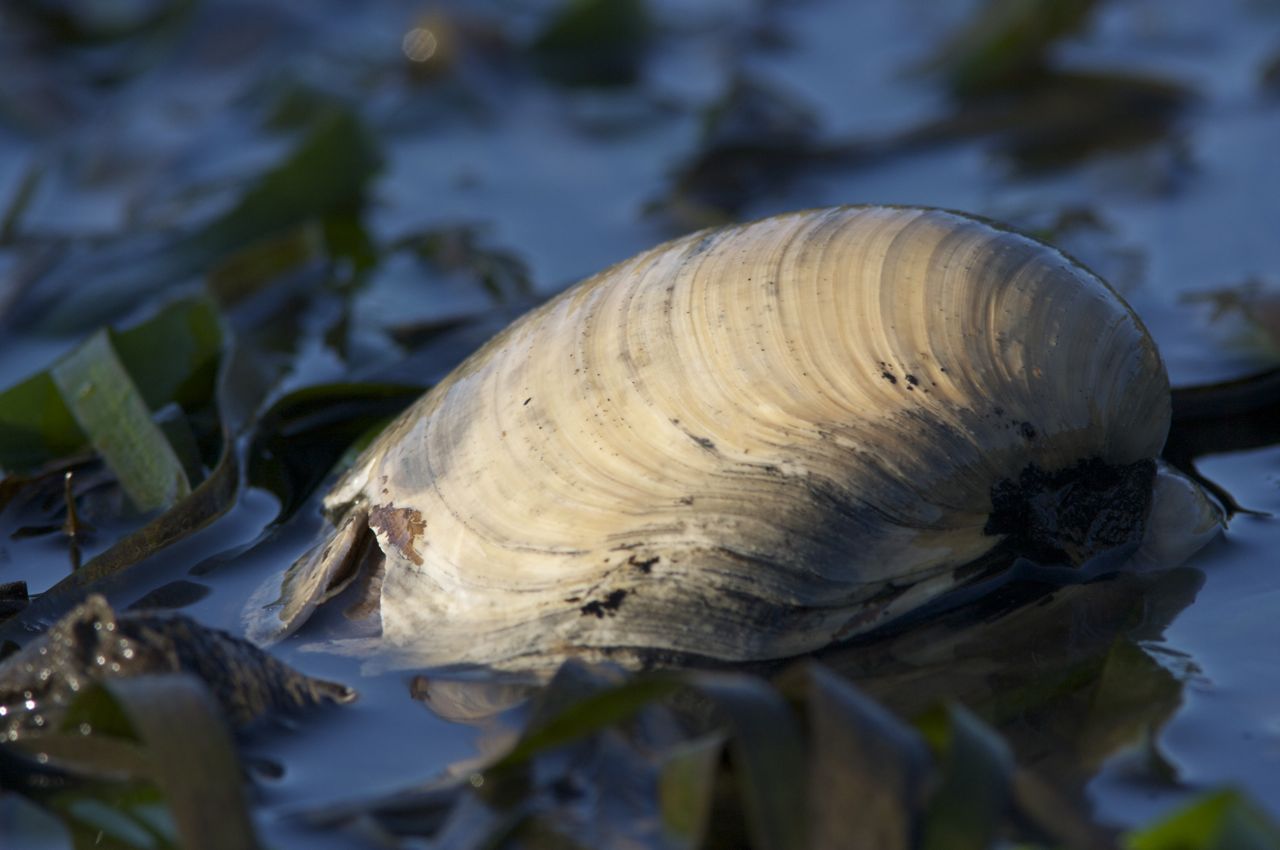
This clam has no face, no expression of its own really, but using depth of field I've focused the audiences attention so firmly on it, that it becomes a portrait

Play around, have fun. Find how to take a picture of a person or animal in a way that speaks to you, and it will likely speak to other people.

There is no eye contact, but a story is being told, one that we all know. Using focus and depth of field, I've played around to turn what is an unsavory task, into a well composed, story and portrait

Posted in documentary, How To, photography, portraits, wildlife photography | Tagged , , , , , | Leave a comment

Black Turnstone feeding on the shores of Tomales Bay (video)


I went on an early morning kayak yesterday. Absolutely beautiful out there. I decided to test out the video capabilities of my new camera.

It is definitely a learning process. A kayak is not an ideal shooting platform for holding a camera steady on a subject. I am learning the best way to hold a long lens for wildlife movies, without using a tripod. (I discuss some of the overwhelming negatives of a tripod on a kayak in this post.)

I’ve gotten used to using the autofocus as a crutch. No longer. To focus during the video is a manual process that takes some getting used to. I’d forgotten what it was like when I was using my old fully manual Nikon FE film camera (haven’t used it much since I went digital). It’s actually kind of fun in a challenging sort of way.

Sound and motion. Two things that have a different meaning when taking stills. Motion is no longer implied, and sound… well you can actually hear what is going on. (in fact, you can hear me bumbling along as a narrator.

Shutter speed is counter intuitive for those of us that are long time SLR users. A slower shutterspeed can actually give you a clearer, better image with video than a higher one. Sort of. If you are shooting action images, a high shutter speed will give you a jerkier, choppier final image than a slower one. Think about it this way. If you are shooting 30 fps, but at 1/1000 of a shutter speed, you are capturing only a small percentage of the movement each frame. If you are shooting at 1/30 to 1/120, you are capturing a much larger percentage of what happened per frame, even if everything looks more blurred if you go through frame by frame.

Still figuring out the best way for uploading videos onto this site as HD, because at the moment I’ve uploaded a dumbed down faster size, which does not do the video quality of the full HD SLRs justice.

Oh, and by the way, so far I am loving this new video capability.

I will keep all of you updated as I figure out better methods for kayak videography

Posted in birds, kayak photography, marine life, photography, video, wildlife photography | Tagged , , , , , , , | Leave a comment

Today I sit, tomorrow I venture out


The wind is blowing strongly outside, so here I sit in my gallery typing away, instead of paddling. I can picture the bay though, a few miles away, with its steady march of white caps racing towards the shore. I know the turn out where there will be a line of cars parked, having disgorged their cargo of wind surfers.

The sun is shining, and the oyster sellers will be doing a brisk business despite the brisk wind. Barbecues will be smoking away as the bivalves sizzle on the hot iron, the air redolent of sauce and sea. The customers will be torn between enjoying the sun and bundling up, as the gusts tear away at them.

It would be a nice time to be out hiking and exploring, if my senses had not already been battered for the past week by the incescent blowing, but it would be miserable for kayaking unless I had an excess of energy for battling the waves and would be satisfied with a one way journey directed by the winds. The camera though would assuredly stay at home. On this sort of day it would be more preoccupation than bosom companion.

So here I sit, quietly in my gallery, listening to the gusting outside my open door, watching the trees wave a merry hello to all who drive by. Their leaves glisten as they twist and turn in the sunlight, not entirely unlike the waters of the bay I am neglecting today.

Tomorrow though, my reservoirs of energy restored, and my soul prepared, kayaking I will go.

Posted in ruminating | Tagged , , , , , | Leave a comment

Where to find your best light (and rainbows)


If you are shooting pictures with natural light, try for the best light you can. It is quite simple to find, and through a similar process, you can also find rainbows when the conditions are right.

Sunny days

Know where your brightest light source is (if shooting with natural light, this will often be the sun.) Turn your back to it. Stick your hands out to either side, palms forward. Draw an imaginary line shooting out from your fingertips that stretches away to the far horizon. That humongous half circle in front of you will be your best light. Within that half circle you can try for several different lighting effects, keeping in mind the source of light.

Divide that half circle up onto four equal pieces- two on the right, and two on the left. The two sides are mirror images of each other (in regards to lighting), as long as the sun is directly at your back. The wedge closest to your hands on either side is where you will have the most fun with shadows, where you can use them to help define shapes. This is the area that will work nicely with rolling hills, ripples in sand, casting a face half in shadow, creating curves on a body, etc. The middle two quarters will be your more even light, with most of the surface being out of shadow, with rich tones.

What is wrong with the light in the other half of the circle? There isn’t necessarily anything wrong with it, it just won’t make your pictures stand out. The colors will be washed out, especially with landscapes that have any distance to them. Objects will also get more and more blocked up with shadows, the closer you rotate towards the sun. You will however have a chance to create silhouettes if you place your subject directly between you and your light source.

How do you put your back to the sun when it is directly overhead? You can’t. If you draw an imaginary line from the sun to your head, stretched your arms to the sides, and figured out where your light would be, it’s everything at your feet. Unfortunately everything is lit in such a way that either there are no shadows, because the sun is shining straight on it that you lose all depth and texture, or it becomes so blocked up with shadows and over exposure, that the pictures just won’t be very exciting. This is yet another reason why it is wise to focus outdoor photography on the morning and evening hours. Not just warmer light, but better angles for lighting your subjects.

Right about now, you are probably wondering what all of this has to do with the rainbows that the title propounded. Simple. If the conditions are right for rainbows (a mix of sun and rain), it is easy find the rainbow by putting your back to where the sun should be. If you draw an imaginary line from the sun, through your head, the rainbow will be in a circle 54 degrees out from that line. It can actually even be a complete circle if it is raining hard enough, and there are no shadows blocking the suns light. The way water diffracts light will always create the same angels from your place of perception relative to the source of light, placing the rainbow into that same relative space… Which just happens to be part of the area where you will find your best light for taking pictures.

It doesn’t matter if it is mist from a hose, rain from a cloud, spray from a waterfall, it is always droplets of water catching and diffracting light, and water and light are very particular about how they interact. To find a rainbow, turn your back on the sun.

Happy shooting,

Galen

Posted in How To, photography | Tagged , , , , , , , , , , , , | Leave a comment

Camera settings while kayaking


Have you ever thought to yourself “What settings should I use on my camera while I am kayaking?” This is especially important to consider with wildlife kayak photography outings, but wonder no longer, help is on the way, in the form of… well… ummm… a blog post. I’ve spent thousands of hours kayaking with cameras, and through trial, error, and common sense, I’ve come up with some basic guidelines to help you configure your camera for those watery voyages,
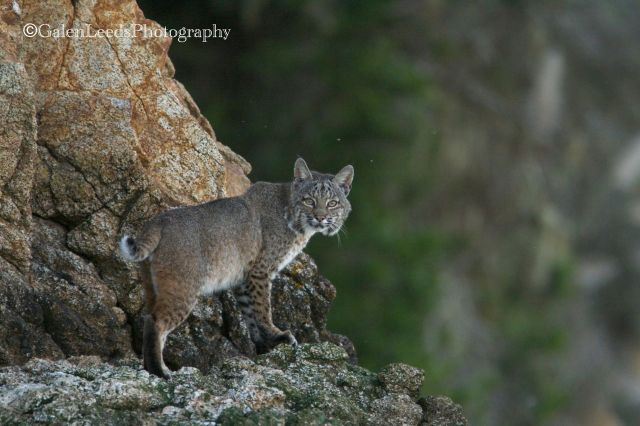
I most often see bobcats (Lynx rufus later in the day, when I am regularly paddling in and out of shadow and the light is changing quickly

I most often see bobcats (Lynx rufus later in the day, when I am regularly paddling in and out of shadow and the light is changing quickly

Every small wave, shifting of your body, even a slight breeze can rock your kayak a little. Tripods and monopods don’t work too well on these small boats (in fact they only magnify any rocking motion of the boat,) so you will need to compensate. There are a few adjustments that you can make to your camera and settings that work well. The longer your lens, the more important it becomes that you compensate for the small movements of the kayak. Your body will automatically take some of the motion away, but not all of it. Water conditions can really affect the lenses I am using and the settings of my camera.

Shoot faster than you normally would. Increase your shutter speed by at least half a stop (adjusting your aperture or ISO to keep your exposures correct.) You will be shooting your pictures from a slightly less stable platform than you are used to. If you rarely take pictures without a ‘pod, consider increasing your shutter by a full two or three stops. Also, take a test shot or two from time to time if you shoot in full manual mode. Lots of light reflects off of the water, and can help to brighten up your subjects, sometimes allowing you to shoot faster without having to adjust other settings.

Often times this will mean opening your aperture up wider and/or increasing your ISO. Some of my best pictures of bobcats were near twilight while kayaking. I had my aperture opened up wide to f/5.7 on 420mms of lens, and my ISO set to 800 so that I could get my shutter to 1/500th of a second, which was fast enough to freeze the action in this photograph of a bobcat stalking the shore. There was a some extra noise, but at least the pictures was crisp.

Sometimes it is best to use a shorter length lens than you normally would. If you normally shoot with a 70-200mm lens with a 1.4x converter, consider not attaching the converter if you are not paddling in glassy waters, or if you are feeling less than stable. The extra magnification it provides will get you closer to wildlife, but make it trickier to focus on that same wildlife while bobbing in the water and keep you from snapping a crisp image.

Use a camera or lens that has image stabilization or vibration reduction (pretty much the same thing, but manufacturers like to have their own name for their own doodads.) A built in stabilizer, while adding onto the price of your equipment can make a huge difference when a tripod can’t be used. Many of them even have two modes, one for still shooting, and one for panning. Lots of fun to play with, even off of the water.
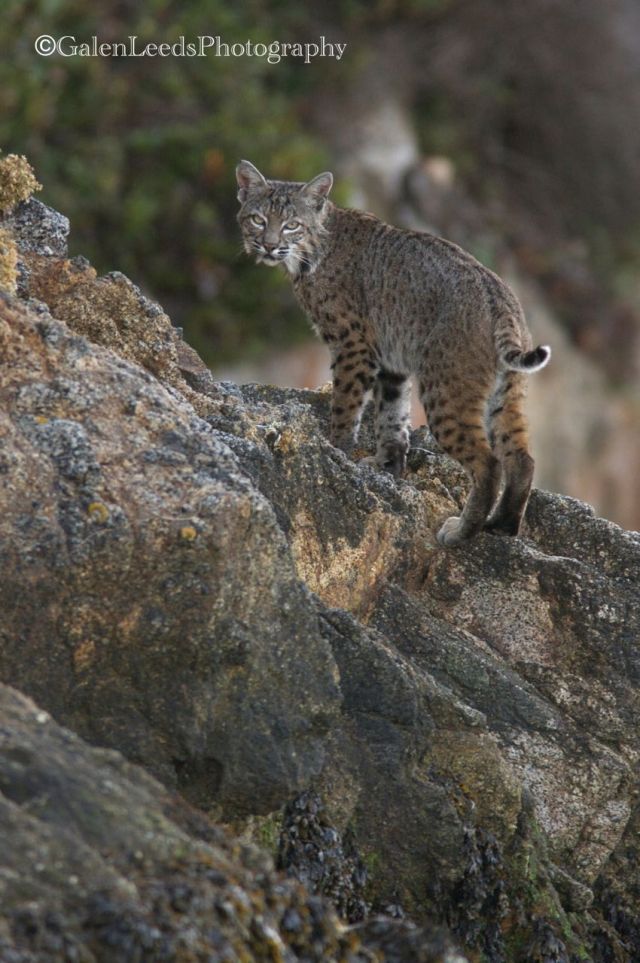
Image stabilization was a great help to keep the lens still enough for this shot

Image stabilization was a great help to keep the lens still enough for this shot

Shoulder stock attachments for your camera can make a great difference in stability during kayak photography or videography. These are fairly simple devices that allow you to brace your camera against your shoulder for extra stability. They make a huge difference, allowing an extra stop or so in shutter speed. I often use them for video work, whether or not I am on a kayak, simply because they help so much. They also allow for smoother panning when following a moving subject. They can be a little awkward at times in a kayak, but well worth it. There are many makes and manufacturers out there. Some appear as simple rifle style stocks, but I prefer the more adjustable styles that use a 15 mm rod system. Polaroid makes a very inexpensive yet effective one, while Genustech makes the most comfortable and stable one I have tried (with some minor modification). The shoulder stock was key in shooting this video of a Least Sandpiper. You can see the extra stbility it gives when shooting hand held.

If your camera allows you to preset for different lighting conditions (my cameras have three user presets for example), get those presets ready before you need them. When you are kayaking, you are able to get 360 degrees of view fairly easily just by paddling in a circle. Know what light you will be using if you go into shadows or face a different direction going around a point, and preset for it. Know what you will do if you are paddling into the sun, but see a bird or seal that is behind you, and needs a different exposure. I will often have one of my presets setup in case I want to switch to video (the settings are so different than what is wanted for stills). The second preset is ready in case I move from sun into shadow, and the third is the reverse of that- from shadow into sun.

The other option to presetting your camera is to use the Time Priority setting on your camera, sometimes labeled Tv or Tp. This is where you set your shutter speed and let your camera compensate accordingly. Shutter speed can be the most important factor much of the time, as mentioned earlier, so if you are not shooting straight M or manual, go for shutter priority. If you set your camera for aperture priority, your camera might compensate by slowing down your shutter speed, something you don’t want.

Some cameras will also allow users to set their ISO to automatic. In this way you can preserve your shutter and your aperture settings as lighting conditions change quickly, but you do run the risk of getting some very noisy photographs from your kayak, if the camera decides it has to bump the ISO settings too high. I usually avoid this setting, except on rare occasions.

Most other functions will depend upon your own personal shooting style. Sharpness, saturation, etc. White balance will depend on the conditions you are paddling under- cloudy, sunny, shady, etc.

While it is best to prepare your camera before heading out, don’t be afraid to change things up as conditions allow. If you are paddling through glassy waters, put that converter back on and pull out that polarizer that you were afraid would slow down your shutter too much. Have fun, play some.

-Galen
The End
The End

Posted in How to, kayak photography, nature photography, photography, wildlife photography | Tagged , , , , , , | 1 Comment

Kayak Photography: When to paddle


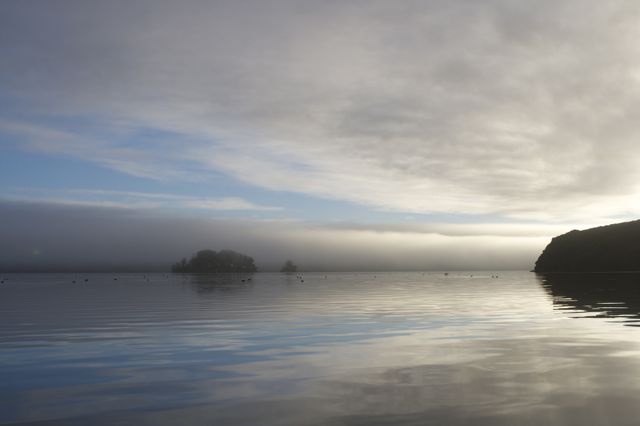
Morning Bay under Fog

The water can be calmest in the mornings, making it easier to kayak, but also allowing reflections

Possibly more important than what to photograph while kayaking is when. I’m sure you’ve all heard about “magic hour” and morning light, which is helpful and good, but not what I am writing about. (After all, nearly every photography book/blog/class has already beat that dead horse. I haven’t yet, but likely will some day, when I am hard up for a photography article to write.)

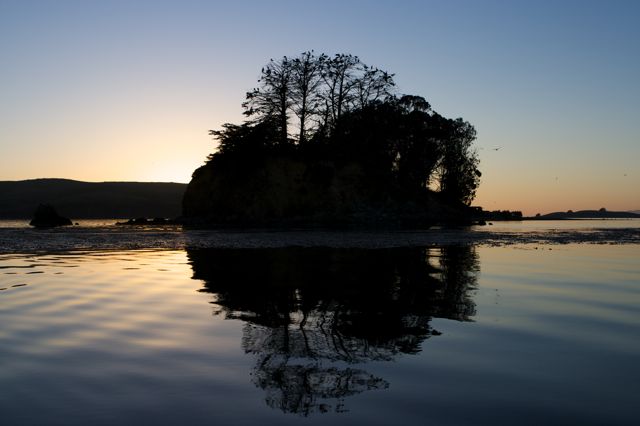
Occasionally the afternoon can give similarly calm water, but this is the exception rather than the norm

In many places the calmest time of day is the morning. Often there are no winds, or they are light earlier in the day. This is good for two reasons. Wind will create waves. Without the wind your kayak will be more stable, allowing for a better shooting platform. It will be easier to frame your images and to focus on the subjects you want. This stillness to the water also means that you will find more and better reflections. If you are going to be on the water, you might as well take all of the benefits you can. As the day warms up, temperature differentials will be created, causing winds to build. While these winds will sometimes die down as the day begins to fade, it is less common than a calm morning. (I will often take this a step further. I will paddle out in the mornings in a direction that the afternoon winds will help me return from later in the day. That way when I am tired, I won’t have to work so hard.)

It is often easier to find a greater variety of wildlife early in the morning or later in the day. There is an overlap time between the nocturnal and diurnal critters that we can take advantage of, especially in the summer time when the nights are shorter and all of the creatures of the night need to maximize their feeding times by being out on either side of dusk and dawn.

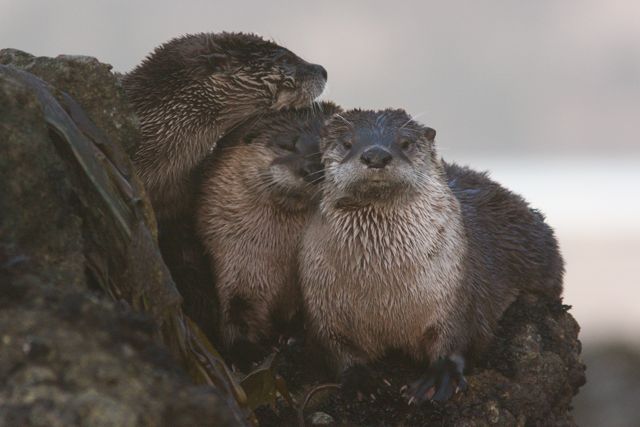
I found this trio of otters late one afternoon. I've rarely seen them midday.

This can be especially true if you kayak areas that are tidal. Many animals find it more necessary to feed according to the tides than the sun. Raccoons for instance will come down to search for crabs at low tide, if it happens to fall near sunrise or sunset. Otters will often swim with the tides, so that it helps them to cover more territory with a minimum of effort.

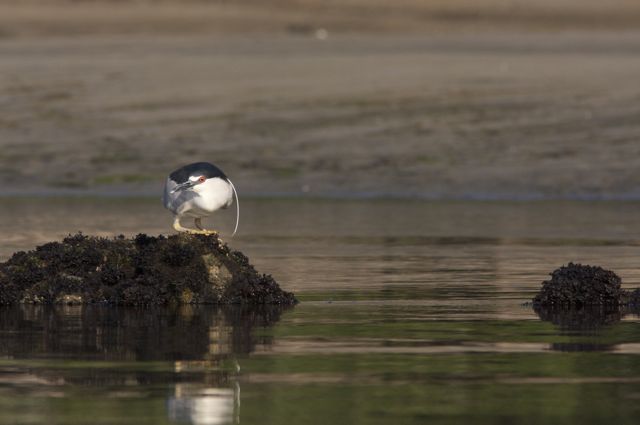
When photographing birds from a kayak, timing can be a factor in several different ways. Many shore birds will feed in different areas depending on how high or low the tide is. Time of day doesn’t matter nearly as much as time of tide. Osprey will be most active when fish are active. Many birds will leave roosts in the morning, and return in the evening. If you know roost sites, and keep a respectful distance, you will know what time to catch them. For instance, there is a large population of shags (cormorants) that live on an island where I kayak. While I know they will return to this island all throughout the day, I know their numbers will be greatest early and late.

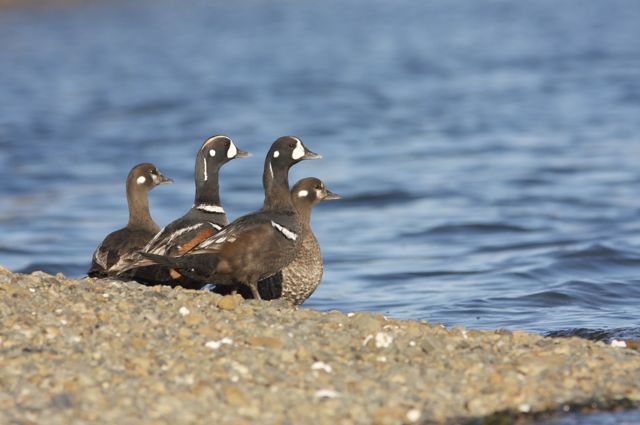
This group of Harlequin ducks was shot when they were in their breeding plumage, rather than the drab browns of winter

With birds time of year can also be a factor. With migrations, you will only find some species at particular times of the year. If I want to photograph ducks that aren’t the humdrum species I find at city parks,  I know that wintertime is the best. Also, at their plumage will change throughout the year.

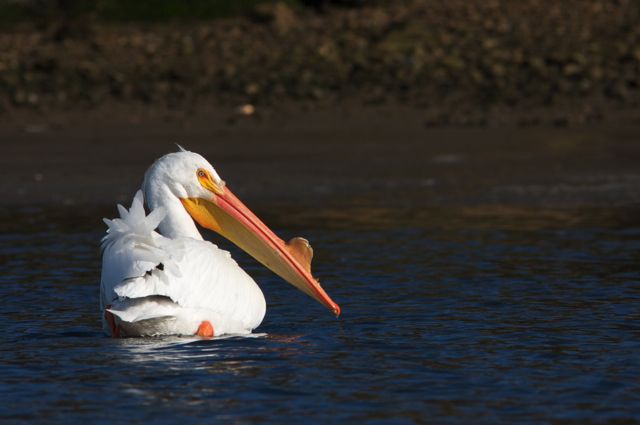
This white pelican is only round for part of the year, but more than that, notice the growth on the beak? That is only there when breeding season is near

Late spring and summer are usually the most colorful, late fall and winter more drab. Learn when different species are in your area, and what they are wearing, and you will have the easiest time of it. For other important things to think about, try reading Kayak wildlife photography: Tips and Tricks.

Happy shooting,

Galen

This slideshow requires JavaScript.

Posted in birds, kayak photography, nature photography, Photo Essay, photography, wildlife photography | Tagged , , , , , , , , , , , , | 3 Comments

Kayaking Tomales Bay: A Map


Here is a map of some key locations when you kayak Tomales Bay. I will add onto this map as time permits. I will also be posting about some of the places you see marked out.

Subscribe to this page to receive updates on the map and posts about where to go on Tomales Bay for kayak and photography locals. I will also be working on similar maps for other local waterways such as Drake’s Estero an Estero Americano.

Happy Paddling,

Galen

Posted in How To, kayak photography, photography | Tagged , , , | 3 Comments

Walkabout to Abbotts Lagoon


I’m fortunate to have a national seashore nearly on my doorstep. A short drive and I can be kayaking on the glistening waters of Tomales Bay. A little farther and I am hiking tree lined trails that give way to secluded beaches pounded by the Pacific surf. If I feel like driving yet further, I find myself cruising through rolling hills on roads that dead end at beaches and miles upon miles of trail.

I went on one of those longer drives on Thursday that I might document a large restoration project going on around Abbotts Lagoon, a largely freshwater estuary that is home to many varieties of native plants and animals… and a few non-native ones. That is actually what the restoration is focusing on, the large scale removal of non-native European beach grass (Ammophila arenaria), which will allow the dunes to create a more natural shape, and for some endangered endemics to survive.

This was the first of what I hope will be many visits. The scale of the project is fantastic, and in just a few weeks has already created a noticeable difference. Cleaned dunes of sand are surrounded by others that are still grass covered masses that have lost their ability to change and to move. The tracks of the dozers cut through them but are fading from the first dunes to be transformed, and are now wind rippled. Very fun to see.

It’s truly a remarkable area. The Pacific Ocean pounding the beach on one side of the dunes, Abbotts Lagoon nestled into the hills on the other. In a few weeks the Snowy Plovers will be nesting on the beach (which will become more restricted,) but meanwhile there are cormorants, grebes, egrets, herons, and myriad ducks to watch in the waters of the lagoon. Northern Harriers glide low, hunting the lupins and the scrub… every where are rabbit and mouse tracks. Beautiful and relaxing.

I often try to work with my parks on projects like this, whether it is something I will be paid for or not. First, I like to support my parks. In this age of shrinking budgets, it’s good for people to be reminded of the beautiful natural legacy that they are custodians of, and their importance for future generations. The state of our parks one hundred years from now will be part of our cultural heritage.

This is a great way to get connections, especially if you will be doing nature and outdoor photography. Parks hire naturalists, geologists, biologists… the sort of people that publish field guides and scientific journals. People who might need images someday.

Finally, it means I am working with like minded people, folks that share my appreciation for the outdoors and their importance.

I am including a short slideshow, giving just a taste of what is to be found out there.

Enjoy,

Galen

This slideshow requires JavaScript.

Posted in birds, documentary, landscapes, nature photography, photography, ruminating | Tagged , , , , , , , , , , , , , , , , , , , | Leave a comment

Using long lenses for Portrait Photography


300 mm lens with 1.4x converter

When people think about “portrait” photography, it seems they instantly think of fast 50mm and 85mm lenses, perhaps going up or down a hair in focal length. No thanks, I’ve been there, done that, and don’t feel the need to take pictures like everyone else’s, using the same equipment and getting similar results.

300mm lens with 1.4x converter

I suppose I am influenced by the fact that I began to get serious about photography as a wildlife and nature photographer. My initial equipment was long lenses and a wide angle zoom. With the long lenses, I wouldn’t just take pictures of wild animals, I would make portraits of them, where it almost seemed as though they were posing for the camera. I realized that this style would also work very well for candid portraits of children at play.

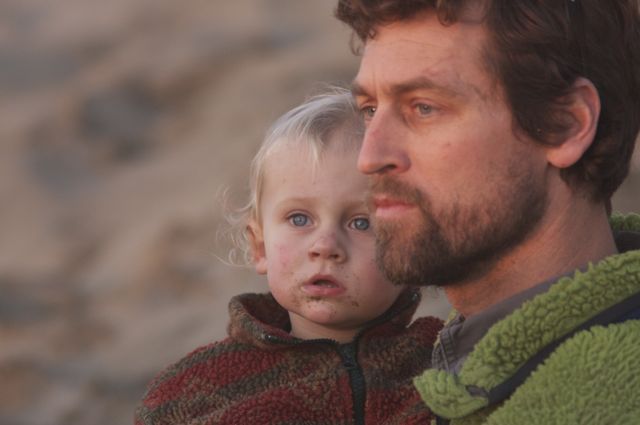
I was able to capture an unguarded moment between this father and son, using a 420mm lens equivalent

With friends that were always happy to have professional quality pictures of their children, I was able to play around and discover many of the advantages of using a long lens. From photographing children, I began taking pictures of adults as well, often being surprised at how much I enjoyed the results. I have my shorter lenses now, but I find them mostly coming out when photographing large groups or indoors, when I can’t get enough distance.

Benefits of the Long Lens

The shallow depth of field blurs the background, keeping it to just that- background, removing unwanted distractions from the subject

Longer lenses have a shallow depth of field. This helps make the subject pop, isolating it from the back ground, creating a strong image. Don’t stop down the aperture too much, leave it wide so that you don’t lose this advantage.

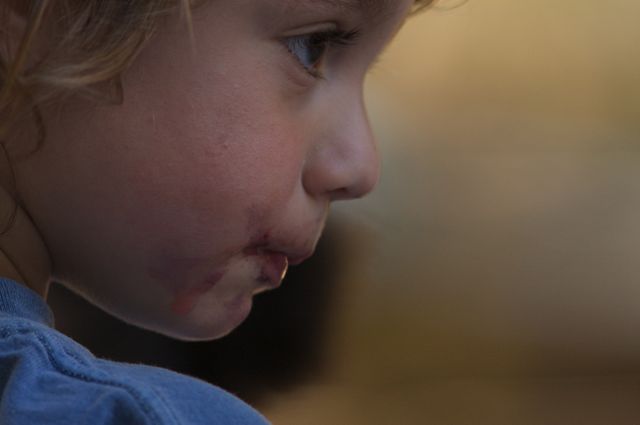
Depth of field can pull the subject out by blurring the background and making it incidental

You can fade into the background, remove yourself from the action, allowing for more candid images. This is especially true when photographing children at play. They don’t focus on the camera, but rather on having fun. You capture them in their natural state, rather than posing uncomfortably in front of a camera, fidgeting as they try to follow directions. It is also effective at weddings and other events, for capturing candid images of guests and wedding party members. The shallower depth of field can help separate people from the crowds around them.

You can zoom in on particular aspects of the subject, focusing on just the eyes, face, or hands. Showing the face or eyes at such close range, with little else in the image can be very captivating. Having just part of the body can also create its own s One of my favorite portrait is of an arm holding a clam as water drips off of the arm.

Even just an arm holding a clam can be an evocative image when a telephoto is used

It’s easy to lose the unwanted perspective of shooting from above or below the subject with a telephoto lens. The farther away from the subject you are, the less noticeable your height difference can be. You end up with a level, head on view.

Longer lenses usually need a higher shutter speed to avoid camera shake. Children being as active as they are, you also want a higher shutter speed to freeze the action. It’s a natural fit, they compliment each other.

Using a lens that you normally wouldn’t gets you out of your comfort zone, makes you think in ways you wouldn’t otherwise, adjusting and adapting to situations differently, making you more flexible.

Go out, give it a try. You’ll be happy with the results. I’ve included a slideshow so that you can compare portraits taken of people and wildlife using telephoto lenses (most of the images were taken with a 300mm + 1.4x converter).

Enjoy,

-Galen

This slideshow requires JavaScript.

Posted in photography, SLR | Tagged , , , , , , , , , , | Leave a comment

Getting clarity by turning off your focus


One of the best camera tech tips I ever got was to turn off the focus capability of the shutter release button. I’ve been doing so for years now, and today, I suggest that you do the same.

(Gasps of dismay and shock ensue. Make do without our autofocus?!?)

I’m not really asking you to do without your autofocus. I love my AF. With its speed and ultrafine focus, I would be hard pressed to do without it. I just don’t like it coming on every time I half way push the shutter button.

So how do I focus? On my camera there is a “focus start” button. My right thumb rests almost automatically on this button, so it is quite easy to have my shutter finger at the ready while I decide if I want to refocus or keep my current focus. Index finger on the shutter, thumb on the focus.

Some of you might wonder why I prefer this to the AF off button. The AF off button is something that is only used from time to time. With the AF Start button being the entire focus control, you are using it everytime you want to focus, and the action becomes very automatic.

It might take a short time to get used to having a separate button to focus, but it is really a quick and simple process, much easier than learning to drive a car, or even change your aperture while looking through the lens.

There are very few downsides. All of your camera’s functions still work- AI Servo, AE, you name it. The only thing that changes is your focus.

Posted in How To, How To, photography, SLR | Tagged , , , , , , , , , | Leave a comment