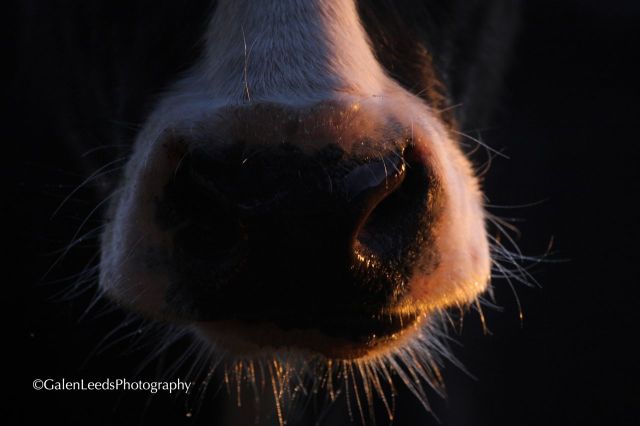
The nose is much more obvious from this angle
Most of you guessed what the last nose was. For those of you who weren’t quite sure, here is the same nose from another angle. I have a feeling everyone should be able to guess it now.
The nose is much more obvious from this angle
Most of you guessed what the last nose was. For those of you who weren’t quite sure, here is the same nose from another angle. I have a feeling everyone should be able to guess it now.
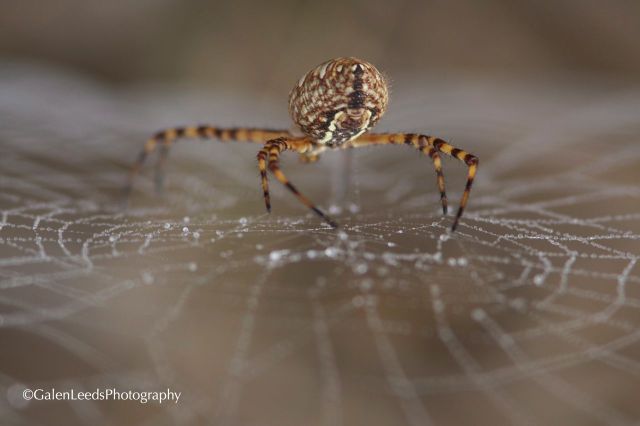
Spider on a bedewed web
I took this image early one morning (I feel like I start so many of these “Anatomy of a photos” with those same words) while I was out chasing that early light. The grass was still wet, and so as it turns out were the spider webs.
Every year as the fall starts rolling around (usually a month or two before halloween) spiders begin to appear on larger and larger webs out in the coastal prairies with their scrub bushes and their tall grasses. They also begin to appear more and more in the plants of gardens and farms. As the webs get bigger and bigger, so too do the spiders. It’s a fun process to see, and nearly as regular as clock work.
On this morning, I did not head out to look for spiders. It wasn’t until a couple of years later that I noticed that they always seem to follow this fall pattern. No, I was simply out for a hike to see what I and my camera would come across, and this spider happened to be part of what we came across.
Now a disclosure. I’ve manipulated this image. I rotated it so that the spider looks like it is standing on top of the web. It was actually hanging on the side of a web that was at a slight angle ( you can tell it’s a slight angle, because the spider looks like it’s raising the web up with its feet- actually, gravity is making the web bulge out a little, where the spider is hanging from it).
Too take this picture I had to get down on my knees, hunch down low so that I was looking at the spider from the side. I didn’t start off from the side though. I began taking photographs of the spider from a more perpendicular angle, which I feel is the more classic view of a spider… and a little more boring. So I began experimenting with these side shots, which I must say I rather enjoy the effect of.
This is a macro picture. Sort of. Some of my lenses have what they call a macro function, and while it is not a true macro, it does a fairly good job of it. Many smaller digital cameras have a similar function (read your camera manual, you might find that you have one in your point and shoot also). I will actually often use my small point and shoot to make macro images, because its function allows me to get in closer than my lenses with the macro function will. This was before I had that smaller camera.
The day was still fairly dark, and it was foggy. This forced me to use a fairly open aperture, but that is good, because I rather like the effect, with the narrow depth of field. (Sometimes you choose your depth of field, sometimes it is thrust upon you as you balance shutter speed and ISO.) I kept the ISO low to keep the noise levels down in the camera. Shutter speed was fairly fast, as I was hand holding the camera- the odd angles I was crawling around at would have made it tricky to use a tripod.
And that’s pretty much it. Enjoy.
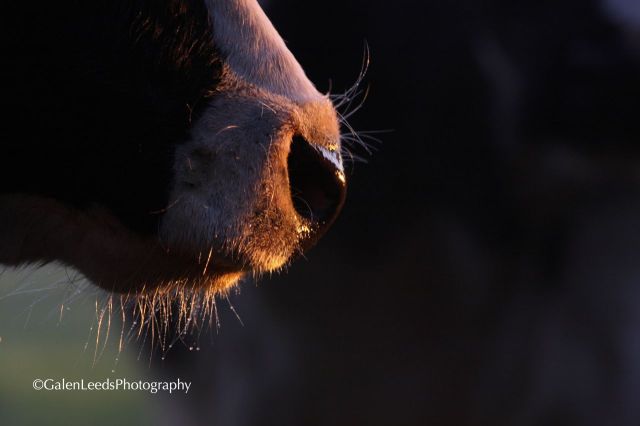
The nose in question
Do you know this nose?
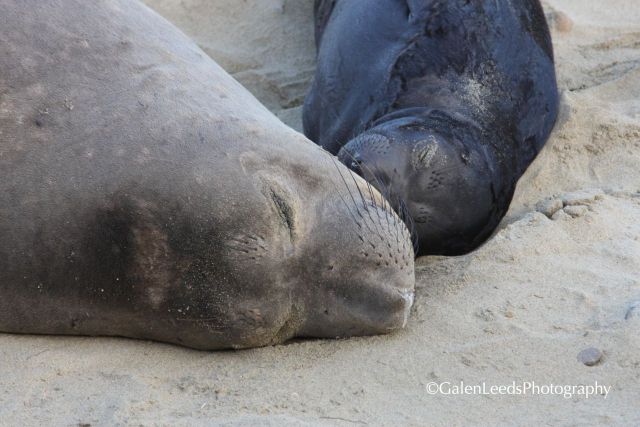
An Elephant Seal pup snoozing with mom
It’s November, and the first of the bull Elephant Seals should be starting to arrive any day now, ready to stake out their territories on select beaches of the California Coast. They will be vying for choice real-estate, that they might be ready when the females role into town for breeding and pupping. I’ve shown a slight profile of the bull Elephant Seals, discussing a photo or two. I’ve even given all of you a way too cute photo of one of their pups. Today however, I wanted to share with you some of my photos of the females with their pups.
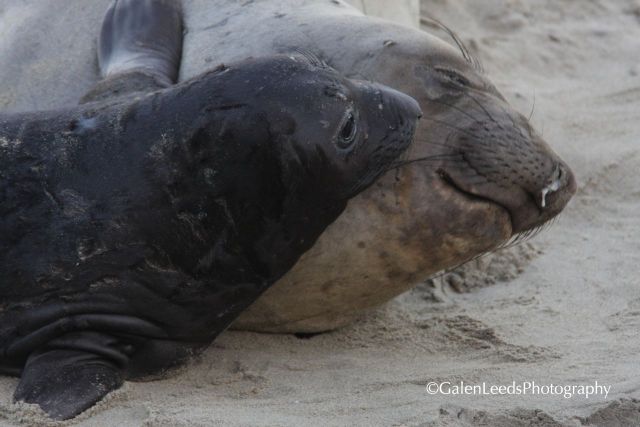
Pup snuggling into mom
I did however think it would also be fitting (and in the best interest of anyone that thought to wander too closely to a colony) to show the other side of this mother love- the ferociousness with which the females will defend those pups.
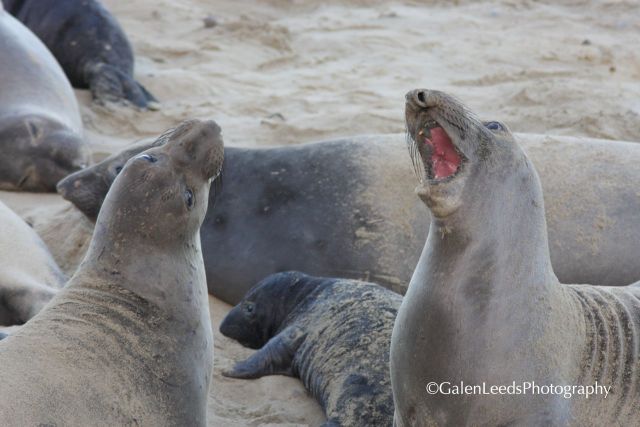
Two females vying for space for them and their pups
They seem calm and peaceful, nuzzling with their pup. Another female moves a little, adjusting herself, and sometimes it is fine. Others it erupts into a yelling, displaying, and sometimes some serious physical contact.
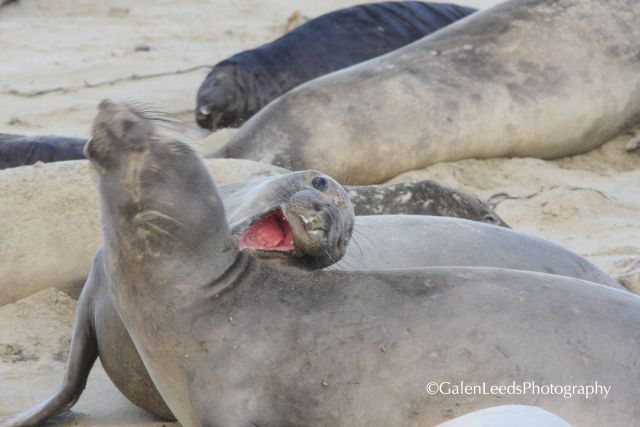
The males get all the fanfare for their big territorial battles, but the females can be rather violent themselves
These cows are not always placid, and it is understandable. These are very large animals when adults, and the pups are rather small. It would be easy for such a large creature to accidentally injure another cow’s pups, or even to smother it. Protection of one’s pup is key to survival.
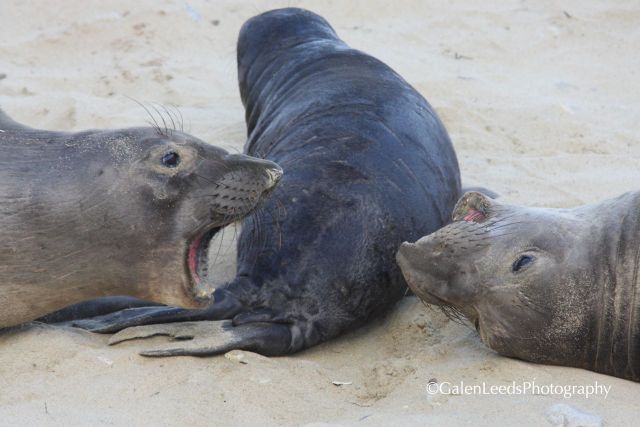
Just a little smack talking, without having escalated to full scale battle
THe bouts of violence among the females however, are generally fairly brief and do not escalate to the level of the males. Most of the time it is a much calmer, more intimate series of moments between cow and pup.
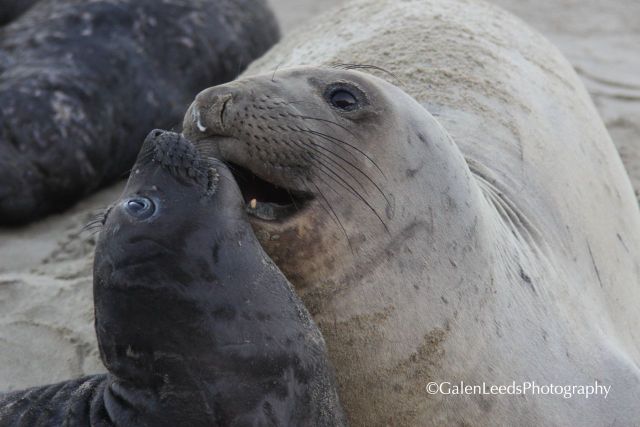
Mother and child nuzzling
And now for the more general natural history on Elephant Seals…
The breeding season for northern elephant seals begins in early winter and extends to early spring, with adults spending the entire cycle—up to three months for males, one month for female— on shore living off their blubber. Starting around November or December, males arrive and begin to vie for dominance. Heaving around bulks of up to 5,000 pounds and “trumpeting” with the help of sounding chambers in their gigantic noses, they engage in what can be bloody and brutal battle. A dominant “alpha” bull will lay claim to an area where the females will gather.
In December and January, pregnant females arrive. They occupy chosen areas above the high tides, in groups of up to several dozen with an “alpha” bull in their midst (second-rank bulls may hold forth on the perimeters). Each female gives birth to a single pup, then protects it for four weeks and transfers 200 to 300 pounds of body weight to her offspring through rich, fatty milk. When the time nears for the young to wean, the female breeds again in order to bear another pup a year later.
Throughout this seasonal cycle, there are scientists observing the colony. (The post with the Elephant seals and the scientists help give a sense of the scale of these large marine mammals.) They record all the meaningful dates, count the adults and young, and tag the year’s pups as they are weaned. With special permission to approach these federally protected marine mammals, and with specialized skills and sensitivity, biologists
place tags in some of the seals’ flippers, scarcely bothering the animals. Monitoring known individuals in this way yields highly valuable scientific information: how many seals born here will return in subsequent years, which ones move to other colonies, and in some cases where they may show up throughout the North Pacific.
While it is marvelous to watch all the seals’ activity, park visitors must take care to avoid harm—to the seals and to themselves! Not only is it against federal law to disturb marine mammals, it can be dangerous for people and their pets to approach them. While it’s hard to imagine such big hulking creatures posing much of a problem on land, they actually move very quickly over short distances. Unlike other marine mammals that retreat into the water when approached, elephant seal bulls will chase and bite to defend their territory, and females likewise defend their pups.
They won’t always stand their ground though, and therein lies part of the danger to the rest of the seals in the colony. If a bull is displaced from his territory, he will then displace the next weaker male, who will then displace the next in the hierarchy, and this will continue until the numerous younger males are chased all around the beach. The results of such disturbance can be pitched battles between males, as well as chaos in the colony.
Another danger in this scenario is that a pup might become abandoned by its mother as adults flee, or crushed by fighting males. If adults are disturbed too much, they may not return to the same place in following years. People are asked not to approach any seal on the beach too closely and to mind seasonal beach closure signs.
New
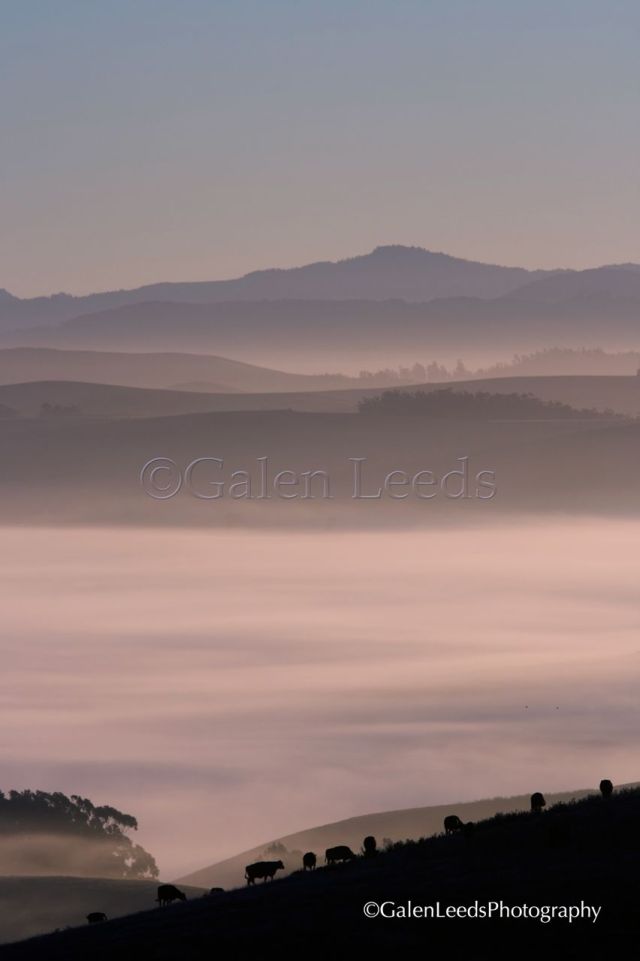
Early mornings and late evenings are best for silhouettes
I live in a land of fog. Just as I hear that some languages have an abundance of words for the many types of snow, I sometimes feel that there should be an equal abundance of words for fog. There are so many types and variations to fog, especially when one lives near the coast. There are the high fogs and low fogs, varying thickness of fog, coastal and valley fogs. Certain fogs you will see only in summer, others that are reserved for winter or spring. Some fogs are just a solid, constant grey, others have textures, shapes, and wraiths within them, as they rise up in patches from the ground, flitting through the headlights. There are the pea soups that are almost more akin to rain, in that walking through them will soak you… except that if you are at sea level and if you could rise 500 feet straight up you would be sitting in the sunshine, with a sea of white below… So many types of fog, but many of the thick ones have something in common- they block out the sunrise and the morning light, which can be detrimental for those of us that are addicted to our cameras.
Living in a land of fog as I do, I either have to deal with landscapes fading away within 20 meters and having the same even lighting all the time, or if the fog type is right, finding a way to get above it. I have all of the tallest most accessible mountains and hills of the area mapped out within my head, so that if I awaken for an early morning landscape shoot I have options and variety for where I can go. Some are more reliable than others for reasons of topography and the series of valleys leading to them simply work to keep the fog below. Others are simply to tall for the fog to be able to scale. Some work better with the winter fogs that cling to the valleys, others with the summer fogs of the coast that come pouring over the ridges in a vast wave. None are fool proof, and options are best.
The spot where I took the above photo rarely breaks through the fogs that I will encounter at the height of summer. It is better for the valley fogs that you can see dissipating already, as the sun begins to burn them away.It is one of my favorite spots for sunrises and sunsets that is close to where I live, as it affords a nice view of the hills as they roll away on one side, and the Pacific Ocean on the other. On this particular day, as the sun was rising, I saw the many cows lining hill far off in the distance near the direction where the sun was coming up. and since they were between me and the source of light, I knew it would make a nice silhouette.
I put on a longish lens- 200mm- as I sometimes prefer the tighter composition that telephotos can give. I didn’t want a wide angle lens that included everything, just the elements that I was selecting out- cows, layered hills, and mist. I did not want to include the sun, as it would have either been an overexposed part of the image, or everything would have been too underexposed for my liking. Also, it was unnecessary for the scene I wanted to create, even though it was just outside of the frame.
I selected a medium aperture of f/8 so that I would have a decent depth of field for such distant subjects (if my subjects were much closer, f/8 would have been too wide of an aperture to have the hills in focus also, but since everything was so distant, it worked fine.) ISO was 100 for minimal noise, and my shutter speed was 1/320, since by this time of day I was beginning to shoot hand held rather than be tethered to the tripod. I exposed for the hills and mist, rather than the cows, as I wanted them to be silhouetted and not show details other than their outlines.
New
I’ve recently had questions about photographing birds in flight. Today I will begin to address some of the techniques and tips for flight pictures, although to some degree it will be somewhat general, as there are so many different species of bird, each found in a different size, and each with its own way of moving (fast, slow, ponderous, etc.) that there is no single “best” method. Photographing a Western Bluebird in flight varies greatly from capturing a Brown Pelican, which is different from an Osprey with a fish… And even an osprey with a fish can have different possibilities, depending on the angle and the composition desired.
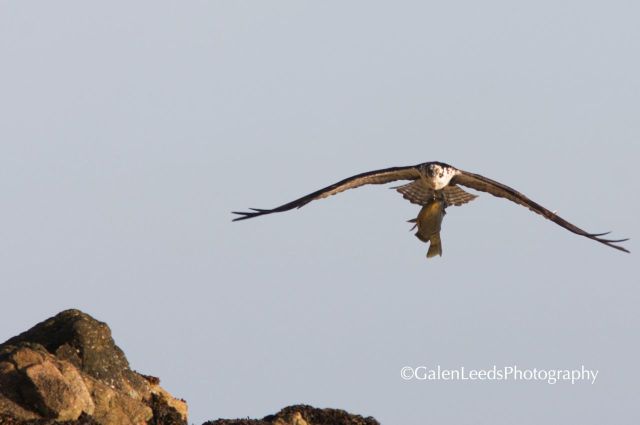
An Osprey with a fish, shot head on
There are three preferred angles for shooting birds in flight that will generally net you the best results. Head on, side on, or from directly underneath. Once the bird has passed, even a little bit, and the shot is more from the tail side, the photo has already lost some of its power. This is a generalization, however, and there will be exceptions.
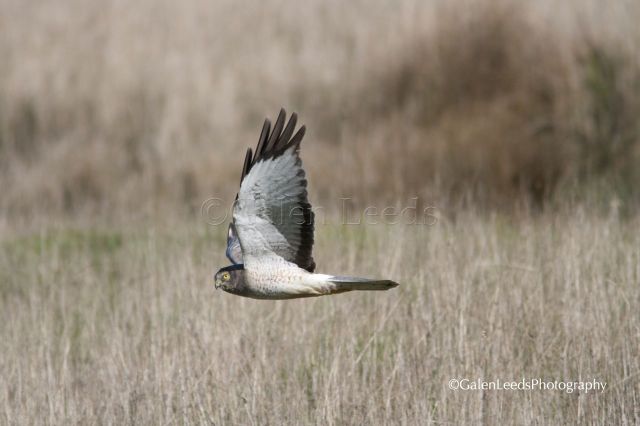
Male Northern Harrier (Marsh Hawk) shot from the side
When photographing birds from underneath, especially if they are at a slight distance, your camera often will not set to the proper exposure. All of that sky in the image can confuse it, and depending on how bright or dark the sky is, you will have to adjust your exposure. I find that to capture detail in the bird, I often have to over expose the image by about 2/3 stop. Sometimes this will leave the sky a little washed out.
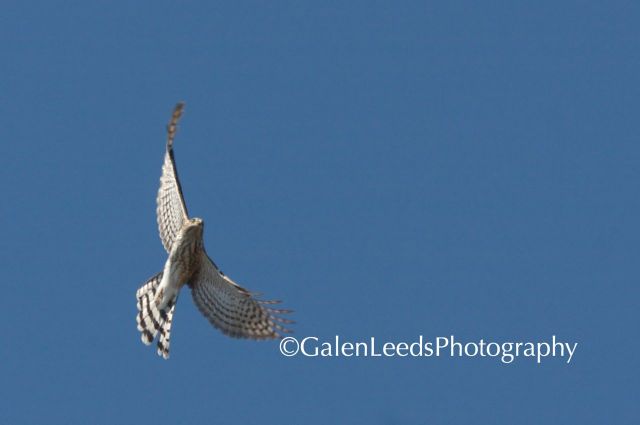
Coopers Hawk in flight, overhead and turning
This can quickly change however if that bird turns, and its underside is suddenly hit and highlighted by the sun. In this case, the sky can be more properly exposed. I often try to have the underside lit by the sun when possible. The trick to doing this is to watch their flight and behavior, so that you can guess when those turns will take place. Also time of day is very important. Early and late in the day, when the sun is closer to the horizon, it is much easier for the sun to light the under side of a bird, since it is shining from the side instead of from over head.

It is different to shoot many birds versus single birds
As you may have noticed yourself, it is a very different thing to shoot birds singly, or as a flock. Composition is immediately affected, and you will have to plan accordingly.
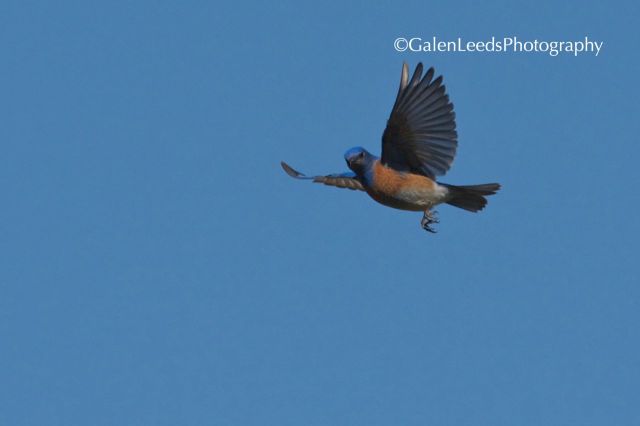
Western Bluebird hovering as it hunts insects
Size does matter. If you are photographing smaller birds, it is necessary to be closer, as they are smaller and will take up less space in the image the farther they are from you. I would not shoot a Bluebird from the same distance as I would a Great Blue Heron. A Great Blue Heron can fill most of the frame from thirty feet away and the right lens. Use the same lens at the same distance on a bluebird, and it will be a speck in the corner of the image. The larger the bird, the farther you can be. Also smaller birds generally will move more quickly and require a faster shutter speed than a larger bird, which can be more ponderous.
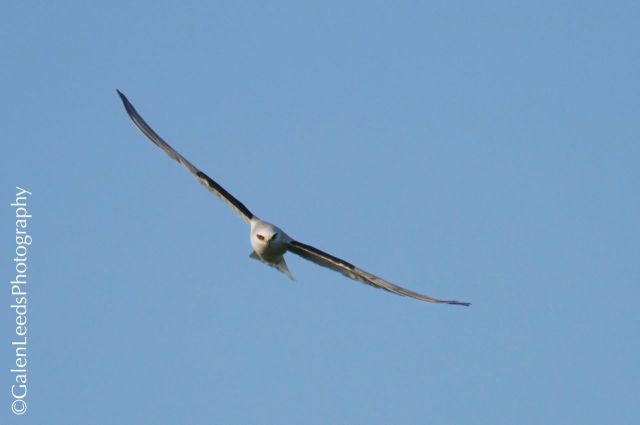
White-tailed Kite on the hunt, head on
Flight is action. Try to capture your images in such a way, that even when frozen in time, that actions is somehow conveyed. You can do this through shutter speed- shooting slow enough that there will be a slight blur at the wingtips, or perhaps fast enough that you freeze some of the water droplets as they come off of a bird that is leaving the water. It will depend on the situation.
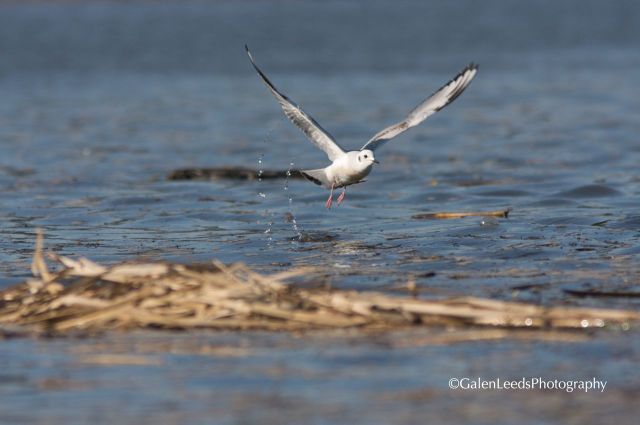
Notice the water droplets trailing off of this Bonaparte's Gull
Hopefully this will begin to whet the appetite of Victor Ho (you can see some of his photos of Puffins in flight here)
The Black Turnstone is one of the sandpipers that winters along the entire Pacific Coastline of the United States and of parts south. You may have seen my fairly recent post of Turnstones bathing on the shores of Tomales Bay, which was a good introduction to this delightful bird. Today I am sharing more detailed, portrait style shots of the Black Turnstone (Arenaria melanocephala), that folks may see some of the more subtle hidden colors in its feathers and the textures of its shape.
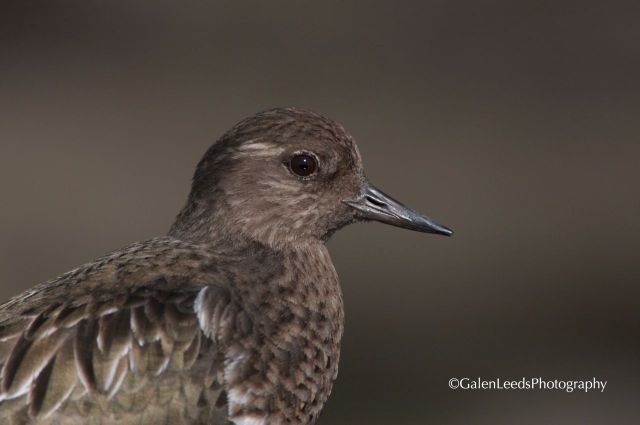
My modeling director was really spot on for the shot
The photographs of this two-toned sandpiper were taken one day while I was kayaking the waters of Drake’s Estero, a marvelous and relatively unknown inlet of the Pacific Ocean. I saw several turnstones probing and marching through the exposed rocks of low tide, and set my kayak so that the slight breeze and tide would drift me near them. I got lucky, as I drifted closer than planned, and was able to capture these very detailed portraits.
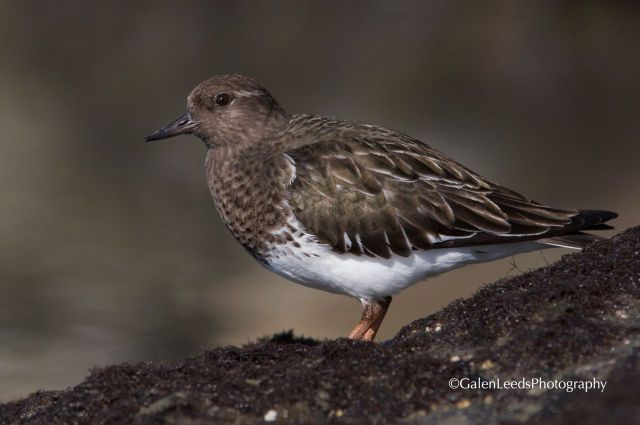
Almost always in motion it is tricky to capture these briefly paused birds. Fast shutter speeds are a must
If you would like to see the Black Turnstone in action, you can watch a brief experiment I did into video on another day while kayaking on Tomales Bay, as I shot Black Turnstones feeding.
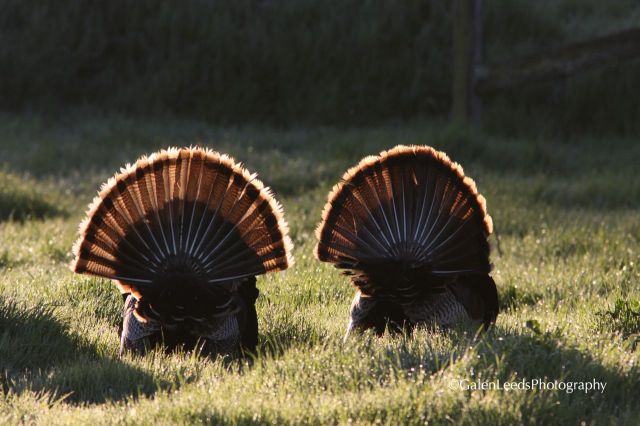
Gobble gobble
Gobble. Gobble gobble, gobble. Gobble gobble gobble
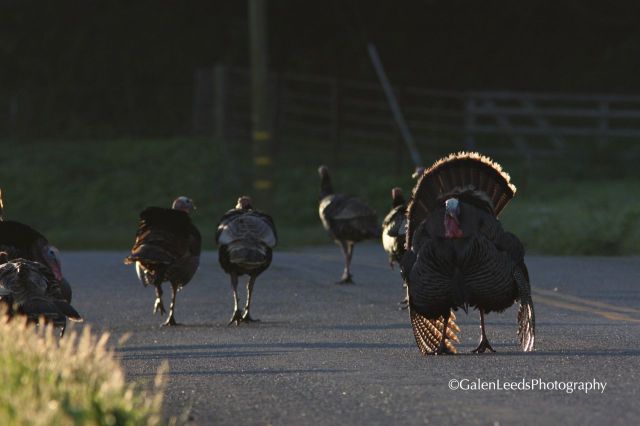
Gob-ble...
Gobble-gobble-gobble. Gibble? Gobble.
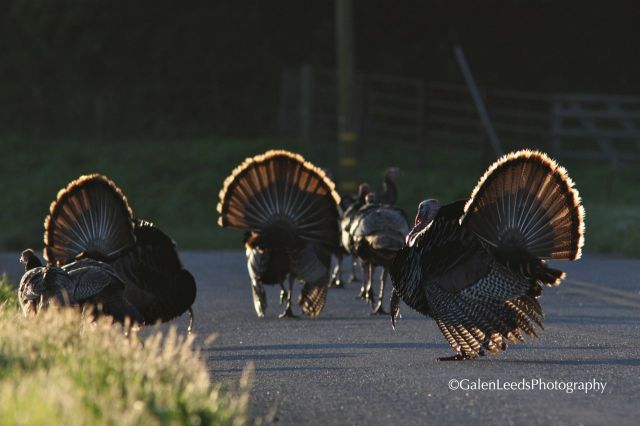
Gobbledy gobble
Gobble!
*This post has been brought to you by the wild turkeys of West Marin. No animals were injured or killed in the making of this post, nor were they served up on a platter
New
This is one of the funnest little birds that I know of to watch, and one of the more remarkable. I often see them on the bays near where I live during as they migrate between the arctic where they breed down to the open oceans far to the south. They migrate across most of the continent, so there’s a chance each of us has seen them, although they prefer routes that give them access to wetlands, mudflats, shallow rivers and lakes.
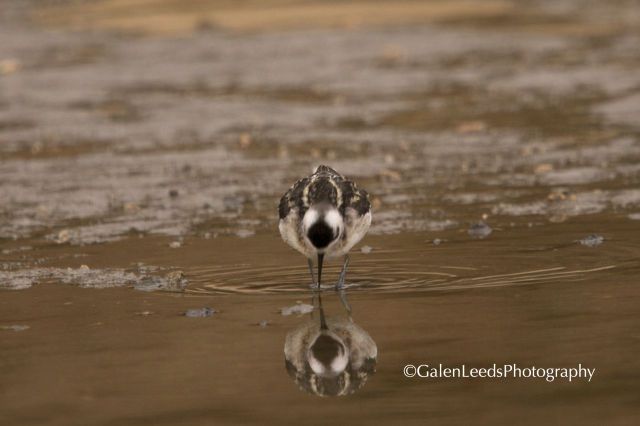
They are a shorebird at times, though most often I see them swimming in shallow water
Today I am sharing images of non-breeding birds, that is juveniles that were born earlier in the year and adults that I have already shed their colorful party clothes. This is how I know them best, when they are heading south, and stop over for a little fuel in larger numbers. Usually I see them in shallower water, only a few centimeters (3 inches) up to 50 centimeters (16 inches) deep, and very close to shore (usually within a few meters). This always seems remarkable to me, seeing them in such a shallow protected environment, since they winter on the open ocean, with no land in sight. And they are such a small waterbird, only 18cm (7 in) in length.To be such a size and bobbing in the vastness of the sea seems so surprising to me.
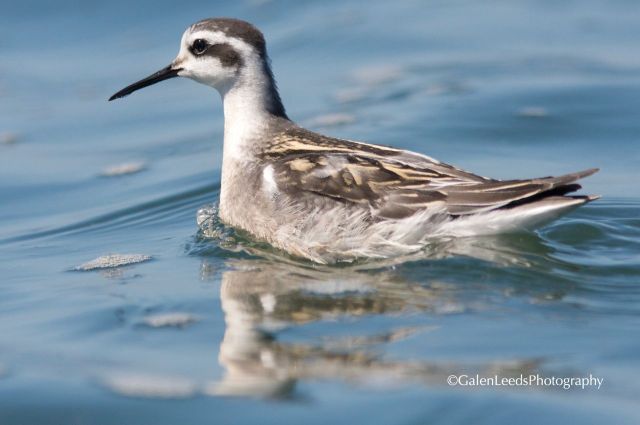
They are a quick bird, always in constant motion
To see them is to see motion. I have never really seen one be still. They are quick and lively. When they swim, they put their whole body into it, with their heads bobbing to the motion the entire time, pumping forward and back. Suddenly they give a fast jab with their beak or they lunge forward and they have their prey, (an insect or small crustacean) and swallow it in a single quick bite.
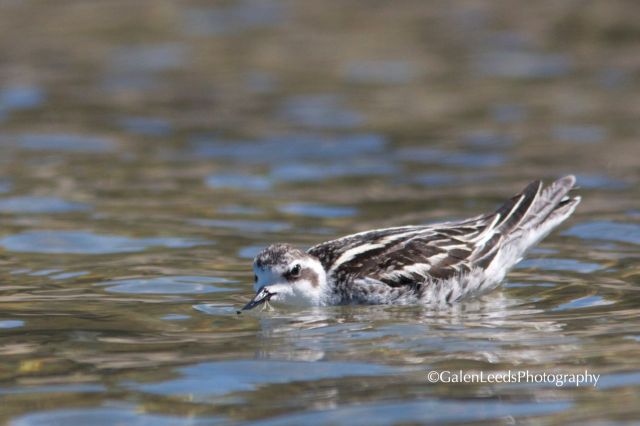
Getting ready to lunge for a prize tidbit
I’ve never known anyone to have seen this bird and not enjoy watching it. They are rather distinct in their motions and habits, easy to identify as a phalarope just by how they move.
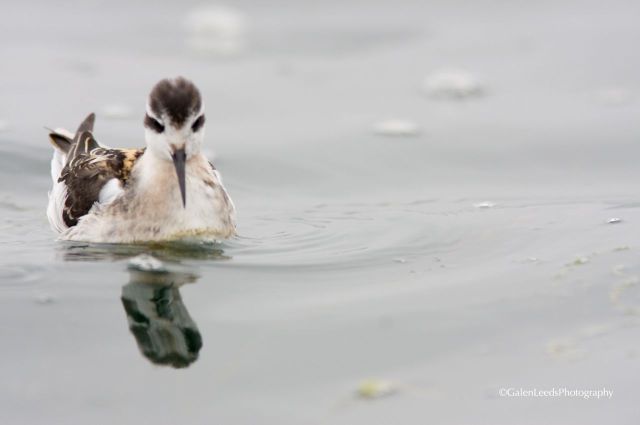
A very focused bird
All of these photographs were taken from kayak. The Red-necked Phalarope (Phalaropus lobatus</em) is a fairly fearless bird where kayaks are concerned, as long as you keep your motions very slow and deliberate, no sudden movements. If you watch where they are swimming, and can guess where they will be heading, it can be possible to position yourself that they will swim right by, in close quarters, as long as you don't really move. The only hard part when they are that close in is to keep the lens trained on them, as they are such a quick and dart little bird.
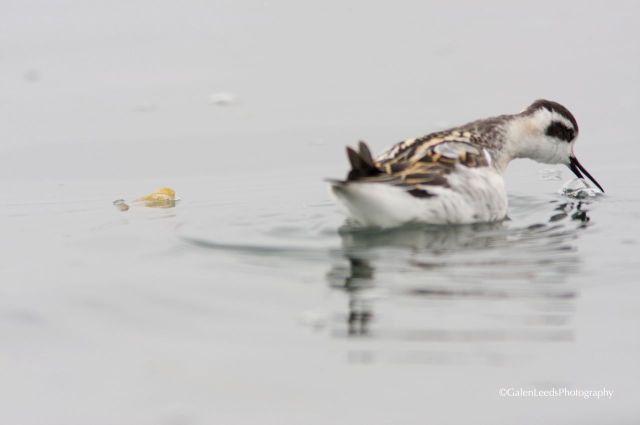
To imagine that this “cute”, diminutive bird can migrate so many thousands upon thousands of miles and the live and prosper on the open ocean will always continue to amaze me
New
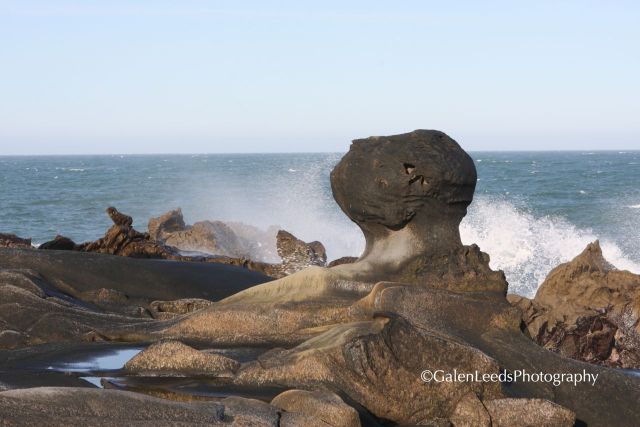
Sandstone carved from (and protected by) the sea
Walk down to Stump Beach. And keep going. The beach is nice, but there’re bigger grains of sand to fry. Cross the creek and head a short ways south along the bluffs. Rising above the sweeping waves is the tafoni. Curving, crinkled, rounded, sharp-edged sandstone shaped by a strange combination of salt and the elemental forces of the coast, these otherworldly formations remove one from the mundane and place a geas of childlike explorer. The landscape folds itself in ways to bend the mind, lines twisting into unfathomable patterns and declivities that appear as if they were carved by some master’s hand.
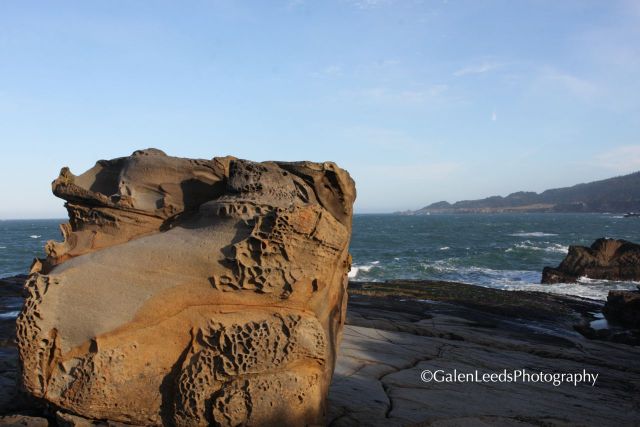
Shapes are created from a mixture of salt being deposited within the sandstone by ocean, and the ocean's own power of erosion
Tafoni formations are to me a paradox. A yin and yang of nature and her forces, of the building up and breaking down, creating something surprising. The rocks of Salt Point State Park in California are largely sandstone, a softer material that is essentially countless grains of sand and small rock that were glued together by time, pressure, and some minor chemistry. You can quickly carve names or initials into is using a butter knife or a slightly harder rock (which is almost any rock more dense than a dirt clod). It is a type of stone that I would expect to be quickly battered to bits by the raw, elemental forces of the ocean, by the endless pounding of the waves.
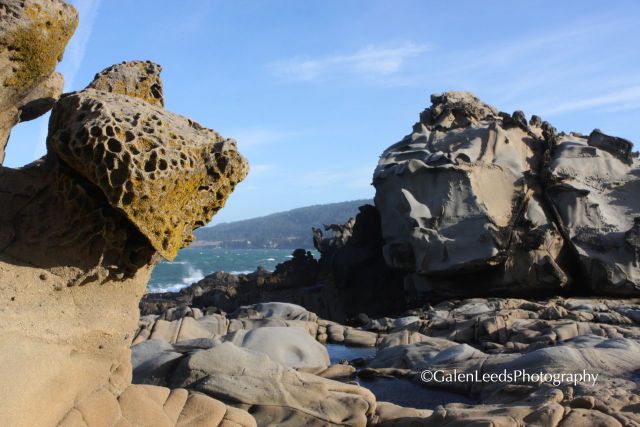
The shore is sculpted
I would expect to find a jumbled and broken shore line, yet this is not the case… well in some stretches it is , but there are also these marvelous formations that seem more the result of slow, gentle erosion than a relentless battering. Granted, many of the more interesting rocks are not permanently subject to the most direct of waves, or are closer to the high tide line, but not all, yet they somehow survive. In part it is due to deposits of salt and mineral from the devouring ocean itself soaking into the sandstone, strengthening it and preserving it, even as the ocean tries to wear it away. Strengthening and dissolving in a single sweeping wave.
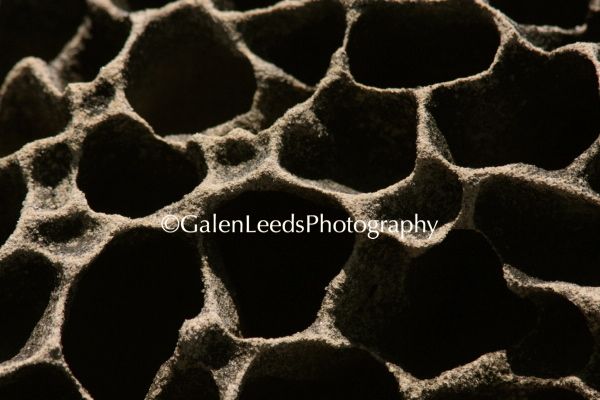
Some of the textures are marvelous
The patterns and textures are mesmerizing, drawing a person in, making them want to look closer, to peer more deeply, to discover the secrets behind tafoni.It is a marvel to wander the shore of this marvelous Sate Park, nestled between somewhere and nowhere on the California Coast, lost in a time of its own. The tafoni is part of the magic of this park, one of my favorites, which I will be discussing in a series of posts that will tie this park into the history of San Francisco 70 miles away (as the crow flies), and discuss some of its beauties, making it one of my favorite California State Parks. In the mean time, enjoy some of these images of tafoni and the coast…

Pillow rocks
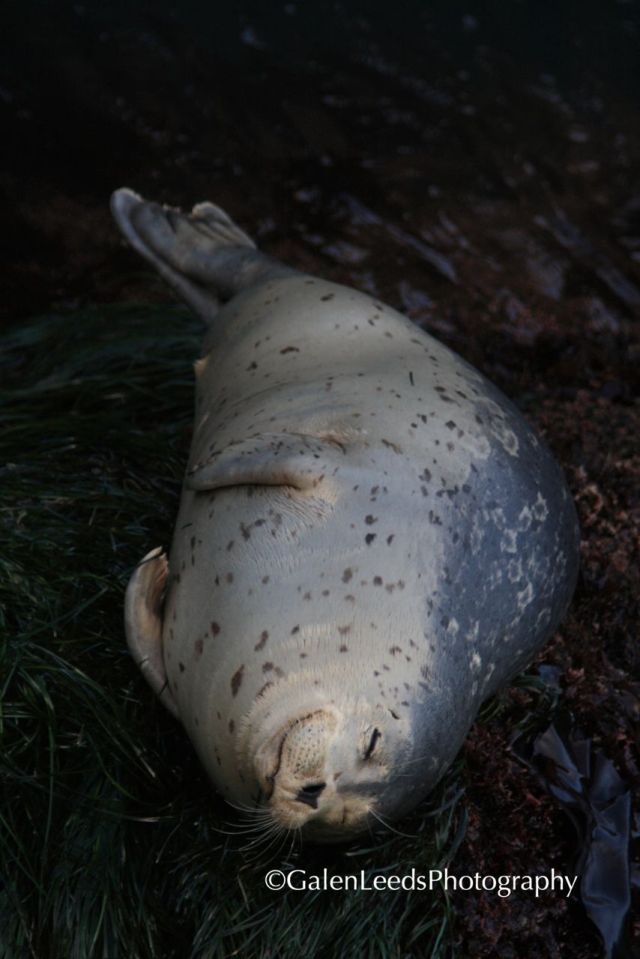
Lost in sleep and shadow this Harbor Seal made a wonderful subject
Most of my Harbor Seals portraits have been taken while kayaking, in fact I’ve written posts discussing techniques on photographing them from kayaks, but that is not the only way to capture images of them, even if it is my preferred method.
I often shy away from photographing Harbor Seals while hiking, although I will make exceptions, as I did on this day. Seals can be difficult to approach on land without spooking them back into the water (around some city piers it is not so difficult to approach Sea Lions and the like, as they are now fairly used to our presence, but Harbor Seals, especially in quieter waters are another matter). They need that time out of the water, that time to rest and relax, to warm up a little without the fear of predators. It can be key to their survival having a little down time, that they may face the world refreshed. That, and it is a federal offense to disturb marine mammals.
When I photograph them on land I wait for opportunities where I can approach them while staying undercover, hidden from view. Often if there is a group of them sleeping or relaxing on a beach, there is at least one or two seals that will scan the area from time to time for predators. Once one of them sees something, they all will bolt into the water, losing that precious land time. So I move slowly, out of site as much as possible as I search for a place where I can peak out with my camera and capture them while at rest.
This image of a sleeping Harbor Seal worked out especially well, as it was entirely in shadow. This let me capture great detail without losing anything to blocked up shadows or blown out highlights as would have happened in full sunlight. Shadows and cloudy days can be our friends when capturing images of wildlife.
I used a 300mm lens for this shot, with a 1.4x converter attached. I rested the hand holding the lens of the camera on a rock (no tripod used) to help steady the camera as I peaked out to shoot this brief image before fading away and back to my hike. I needed the extra stability of the rock, as I was shooting at 1/320 of a second and did not want to bump the ISO any higher (for noise reasons) just to get a faster shutter speed. Aperture was open wide at f/5.6
I came across this Harbor Seal while hiking in California’s Salt Point State Park. I had been photographing some of the history of the area and the interesting sandstone formations for a magazine when I came across this chance of an image that was too good to pass up.
I’ve been blogging for many months now, and during that time I’ve written quite a few articles and shown many photographs. The photos have ranged over quite a variety of creatures and topics. I’ve had many visitors stop by to check things out- some were friends, some were led here by friends, and others managed to get here with the help of a search engine.
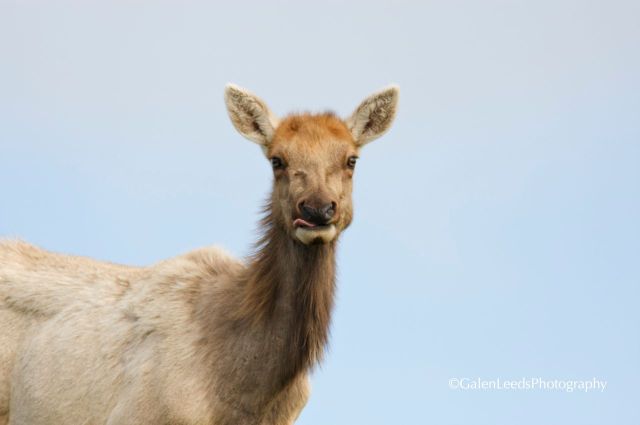
An elk and its big tongue
My blog’s control page shows me many of the search terms that people have used to land on my blog, and sometimes it brings smile to my face when I read them. Many of them make perfect sense- “what is the best kayak for photography” “long lens portraits”, etc. There are however many that don’t necessarily make sense to me (“coyote yawning mount”), or that simply just make me smile (“Elk have big tongues”). Today I will share some of my favorite search terms that people have used to reach my blog, and in some of the cases the post that I believe they encountered from that search. I have not edited the search terms, merely cut and pasted them.
The words in red are what made me smile or question the search, the underlined ones are linked to the post that I suspect they arrived at…
There are so many more that I’ve enjoyed. This is just the smallest smattering of my most recent. At some point I may dig more deeply into the past search terms to share some of my all time favorites, but for now I will answer the question asked by one searcher- Why did Galen cross the road? The answer is obviously to take photographs!
Enjoy the big elk tongues
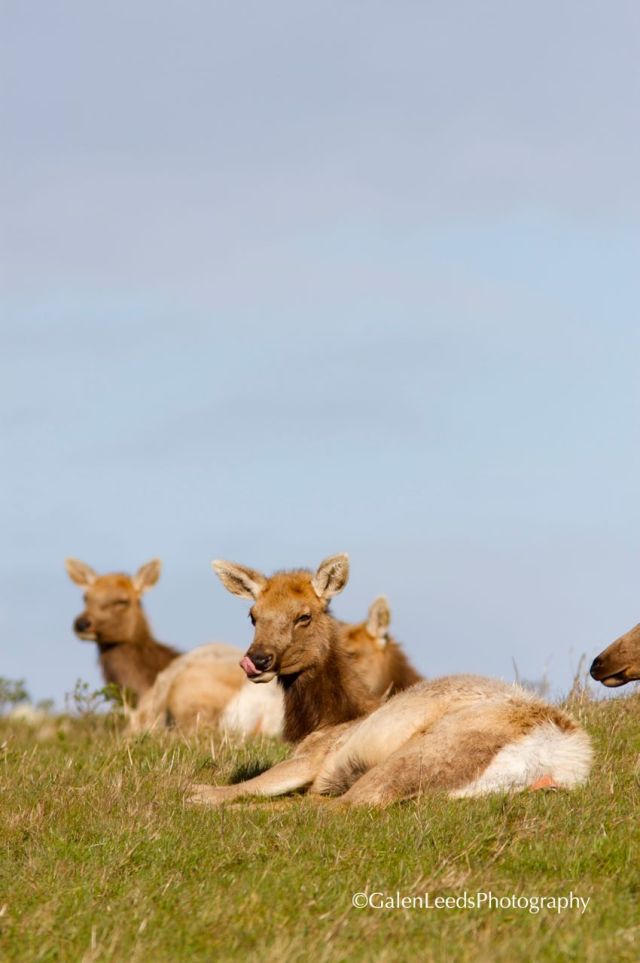
An elk tongue of course
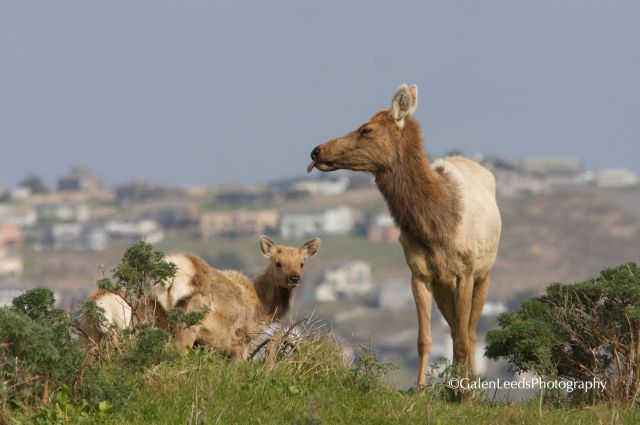

 Galen Leeds Photography